
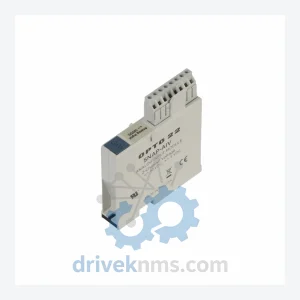
OPTO 22 SNAP-AIV Analog Input Module – Obsolete SNAP I/O Spare Part
OPTO 22 SNAP-AIV Analog Input Module – Obsolete SNAP I/O Spare Part When a SNAP-AIV module fails on an aging…
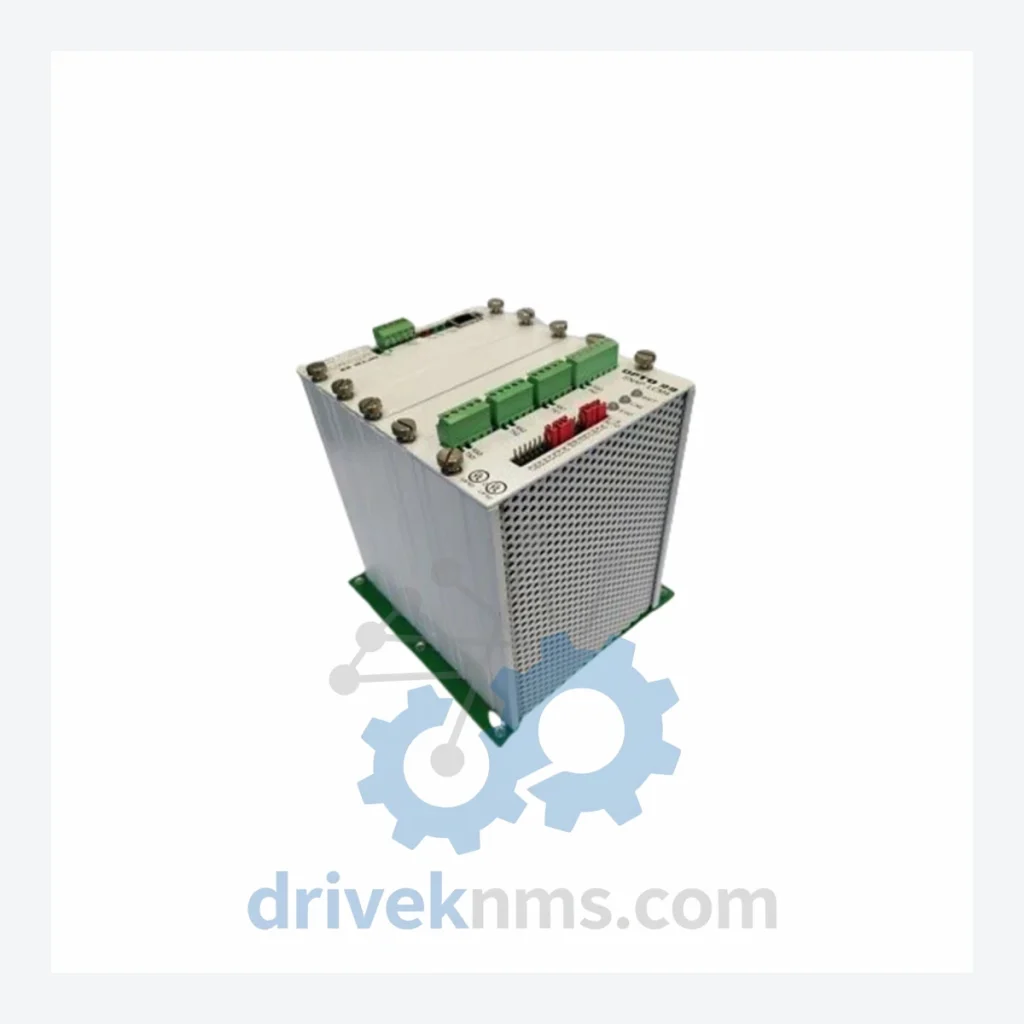
Model: SNAP-LCM4 M4SENET-100
Product Overview
Commercial availability is handled through direct RFQ, model verification and export-oriented follow-up rather than public cart checkout.
Datasheet Preview
Use attached product manuals when available. If the manual is not public yet, request the full file directly through RFQ.
Commercial Path
Product pages on DRIVEKNMS are designed to verify model, brand and series first, then move the buyer into one clean quotation path.
Technical Dossier
When the OPTO 22 SNAP-LCM4 M4SENET-100 fails in a production environment, the consequences extend far beyond the cost of the module itself. A full control system migration — encompassing new hardware, software re-engineering, I/O rewiring, operator retraining, and production downtime — routinely runs into the hundreds of thousands, and in complex multi-line facilities, into the millions of dollars. DriveKNMS maintains verified stock of this discontinued module specifically to protect manufacturers from that scenario. One spare part, sourced in time, can defer a capital expenditure that no maintenance budget was designed to absorb.
| Attribute | Detail |
|---|---|
| Manufacturer | OPTO 22 |
| Part Number | SNAP-LCM4 M4SENET-100 |
| Series | SNAP PAC |
| Product Type | Local Controller Module / Industrial Controller |
| Communication Interface | Ethernet (100 Mbps, M4SENET-100 designation) |
| Country of Origin | United States |
| Lifecycle Status | Discontinued / Obsolete – No longer manufactured by OPTO 22 |
| Compatible Systems | OPTO 22 SNAP PAC racks; legacy SNAP I/O infrastructure |
Note: Electrical parameters beyond those listed above are not independently verified by DriveKNMS. We do not publish unconfirmed specifications. Contact us for datasheet support.
The SNAP-LCM4 M4SENET-100 served as the local control brain within OPTO 22's SNAP PAC architecture — managing I/O communication, ladder logic execution, and Ethernet connectivity across distributed rack systems. Facilities that built their automation infrastructure around this platform in the 2000s and early 2010s now face a hard reality: OPTO 22 no longer manufactures this module, and the broader SNAP PAC ecosystem has been superseded by newer product lines.
For plant managers operating these systems, the choice is not simply repair vs. replace. A full system replacement means re-engineering every I/O point, rewriting control logic, revalidating processes, and absorbing weeks of production downtime. In regulated industries — food processing, pharmaceuticals, water treatment — that validation burden alone can cost more than the original system installation. The SNAP-LCM4 M4SENET-100 is not a commodity component. It is the module that keeps an entire control architecture operational.
Facilities that have extended the life of their SNAP PAC systems by 5 to 10 years have done so through a deliberate spare parts strategy: identifying single points of failure at the controller level, sourcing verified replacement modules before failure occurs, and maintaining a minimum buffer stock of one to two units per critical rack. The cost of that strategy is a fraction of one day of unplanned downtime. DriveKNMS exists to support exactly that approach — providing access to discontinued modules that OEM channels no longer carry.
Every SNAP-LCM4 M4SENET-100 unit processed by DriveKNMS passes a structured 5-step quality protocol before it is offered for sale:
Units are classified as New Old Stock (NOS), Tested Surplus, or Professionally Refurbished, and each shipment is accompanied by a condition report.
Industrial automation assets — PLC racks, DCS cabinets, SCADA infrastructure — are routinely designed for 20-year operational lifespans. The hardware often outlasts the supply chain that supports it. When a manufacturer like OPTO 22 discontinues a product line, the installed base does not disappear. It continues running in thousands of facilities, and the maintenance burden shifts entirely to the end user.
The most cost-effective strategy for extending the operational life of a SNAP PAC system by 5 to 10 years beyond OEM support is built on three pillars. First, conduct a criticality audit: identify every module in the system whose failure would halt production, and rank them by lead time risk. The SNAP-LCM4 M4SENET-100 sits at the top of that list for any SNAP PAC installation. Second, establish a minimum spare parts inventory: for controller-level modules, a minimum of one cold spare per production line is the accepted industry standard. Third, engage a specialist distributor with verified access to discontinued stock — not a general marketplace where provenance is unknown, but a supplier with documented sourcing and quality processes.
The alternative — waiting until failure occurs and then scrambling for a replacement — consistently produces the worst outcome: extended downtime, premium pricing on the secondary market, and pressure to accept unverified components. The SNAP-LCM4 M4SENET-100 units available through DriveKNMS represent a defined, finite inventory. When they are gone, the next available option is a system migration.
What warranty applies to discontinued modules?
DriveKNMS provides a 90-day functional warranty on all tested and refurbished units. New Old Stock units are sold with a 30-day inspection warranty. Warranty terms are confirmed in writing at the time of order.
How do I know the unit is genuine and not counterfeit?
All units are sourced from documented industrial surplus channels — decommissioned facilities, authorized liquidators, and verified distributor overstock. We do not source from anonymous online marketplaces. Each unit carries traceable lot documentation where available, and our 5-step QA process includes physical authenticity checks.
Should I buy more than one unit?
For any facility running a SNAP PAC system in active production, holding a minimum of one spare SNAP-LCM4 M4SENET-100 is a defensible maintenance decision. For multi-line or 24/7 operations, two units is the standard recommendation. The cost of a second spare is negligible relative to the cost of a single production stoppage.
Can you source other SNAP PAC modules?
Yes. DriveKNMS specializes in the full range of discontinued OPTO 22 SNAP PAC components. Contact us with your complete BOM for availability assessment.
Related Paths
OPTO 22 SNAP-AIV Analog Input Module – Obsolete SNAP I/O Spare Part When a SNAP-AIV module fails on an aging…
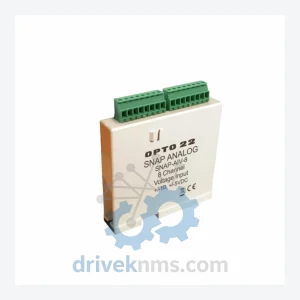
OPTO 22 SNAP Series: Comprehensive Module Range and Technical Overview The OPTO 22 SNAP (Simple Networking and Automation Platform) series…
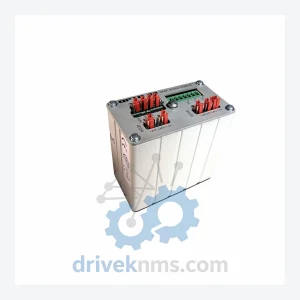
OPTO 22 SNAP B3000 BRAIN: Global Sourcing Strategy & Asset Return Value for Procurement Teams The OPTO 22 SNAP-B3000-BRAIN is…