
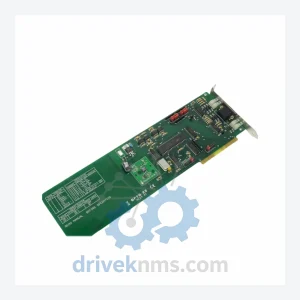
OPTO 22 001818K AC24 AT I/O Module – AC24 Series
Opto 22 001818K AC24 AT is listed for AC24 Series RFQ review. Confirm quantity, condition and destination before quotation.
RFQ-ready industrial model
Model: SNAP-AIV
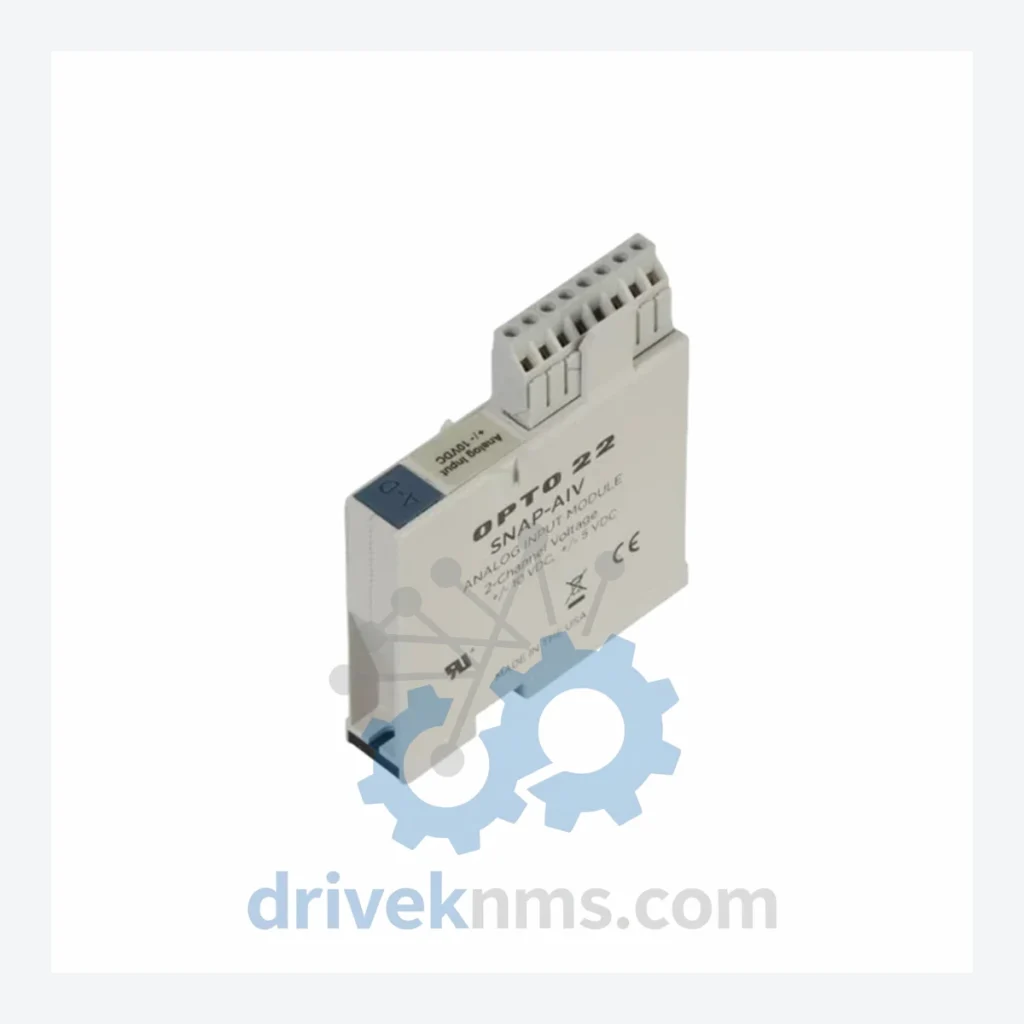
Product Overview
Commercial availability is handled through direct RFQ, model verification and export-oriented follow-up rather than public cart checkout.
Datasheet Preview
Use attached product manuals when available. If the manual is not public yet, request the full file directly through RFQ.
Commercial Path
Product pages on DRIVEKNMS are designed to verify model, brand and series first, then move the buyer into one clean quotation path.
Technical Dossier
RFQ support for obsolete parts: Send the model number, required quantity and destination so DriveKNMS can confirm sourcing options before quotation.
| Parameter | Detail |
|---|---|
| Part Number | SNAP-AIV |
| Manufacturer | OPTO 22 |
| Series | SNAP I/O (Legacy) |
| Module Type | Analog Input |
| Signal Type | Voltage Input |
| Form Factor | SNAP I/O single-channel module |
| Compatible Brains / Controllers | SNAP-LCE, SNAP-LCSX, SNAP-PAC-R1, SNAP-PAC-S1, and compatible SNAP I/O racks |
| Discontinuation Status | Discontinued by OPTO 22; no longer in active production |
| Country of Origin | United States |
Note: Electrical parameters not confirmed from official documentation are intentionally omitted. Contact us for datasheet verification prior to installation.
The OPTO 22 SNAP I/O platform was deployed extensively across food & beverage, water treatment, oil & gas, and discrete manufacturing facilities throughout the 1990s and 2000s. Its modular architecture — where individual I/O modules slot into shared racks connected to a central brain — made it a cost-effective and flexible solution for distributed control. That same architecture is now its vulnerability: when a single module type reaches end-of-life, the entire rack's expansion capacity is frozen.
The SNAP-AIV, as a voltage analog input module, handles real-time process variable acquisition — temperature transmitter signals, pressure transducer outputs, flow meter readings. In a SCADA or PAC-based control loop, losing this module does not merely reduce I/O count. It breaks the feedback chain that the control logic depends on. Operators are left with blind spots in critical process monitoring.
How to extend your SNAP I/O system life by 5–10 years without a full platform migration:
Discontinued hardware sourced from the secondary market carries inherent risk. DriveKNMS applies a structured 5-step quality process to every SNAP-AIV unit before it leaves our facility:
Q: How are RFQ terms confirmed?
A: Quantity, required condition, documentation needs, destination and sourcing route are confirmed during RFQ review before quotation.
Q: How is condition confirmed before quotation?
A: Available condition, photos, test records and documentation are checked according to the requested model and sourcing channel before a formal RFQ response.
How do I know the unit is genuine and not a counterfeit?
All units are inspected against OPTO 22's original part marking standards. Hardware revision and date codes are documented and provided to the buyer. We do not source from unverified channels.
Q: Can you support multi-unit or repeat RFQ requests?
A: Yes. Send the model list, target quantity and destination so DRIVEKNMS can review sourcing options and quote the requirement as a project RFQ.
Can you source other discontinued SNAP I/O modules?
Yes. DriveKNMS specializes in hard-to-find OPTO 22 SNAP I/O inventory. Contact us with your full bill of materials and we will advise on availability.
Continue The Model Path
Move from this exact model into the matching system hub, brand archive, model-family archive or lifecycle sourcing route before sending a final RFQ list.
Related Paths
Opto 22 001818K AC24 AT is listed for AC24 Series RFQ review. Confirm quantity, condition and destination before quotation.
Opto 22 SNAP-PS5 is listed for Monitoring Systems RFQ review. Confirm quantity, condition and destination before quotation.
Opto 22 SNAP-AIMA-I is listed for Monitoring Systems RFQ review. Confirm quantity, condition and destination before quotation.