
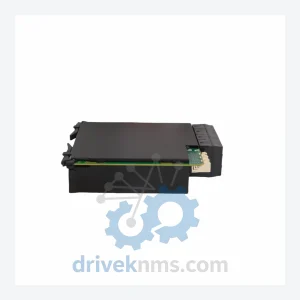
GE UR Series Modules: UR6AV Digital I/O Module —
GE UR Series: Comprehensive Module Range and Technical Overview The GE Grid Solutions UR Series (Universal Relay) platform is one…
Model: 57C404B
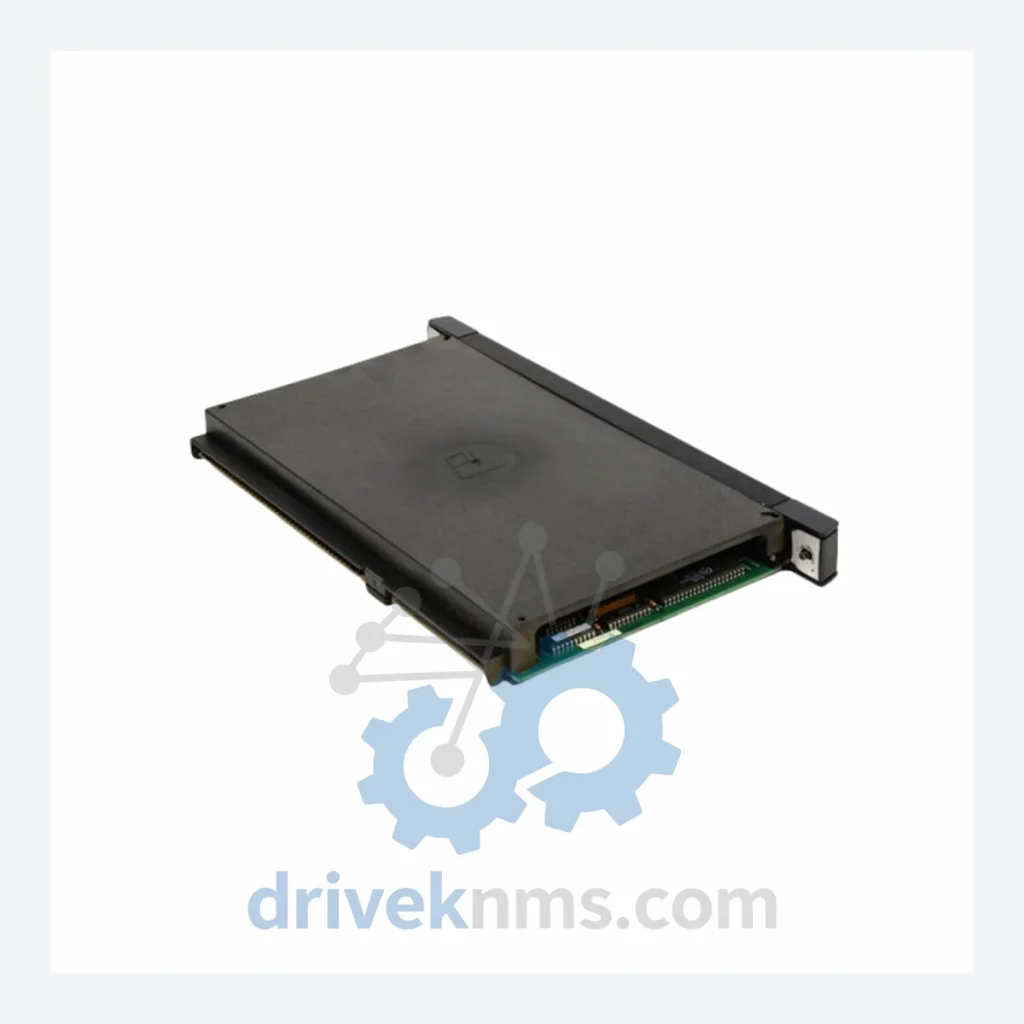
Product Overview
Commercial availability is handled through direct RFQ, model verification and export-oriented follow-up rather than public cart checkout.
Datasheet Preview
Use attached product manuals when available. If the manual is not public yet, request the full file directly through RFQ.
Commercial Path
Product pages on DRIVEKNMS are designed to verify model, brand and series first, then move the buyer into one clean quotation path.
Technical Dossier
The Reliance Electric AutoMax distributed control system (DCS) platform has been deployed across heavy industrial sectors globally, including petrochemical refineries, nuclear power generation facilities, pulp and paper mills, and continuous-process chemical plants. Introduced in the 1980s and widely installed through the 1990s, AutoMax represented Reliance Electric's flagship programmable automation controller architecture, designed for high-availability, deterministic process control in environments where unplanned downtime carries significant operational and safety consequences. Installed base estimates place AutoMax systems in thousands of facilities across North America, Europe, and Asia-Pacific, many of which remain in active production service. The platform's modular backplane architecture, combined with a robust token-passing network protocol, made it a preferred choice for large-scale continuous process applications requiring coordinated multi-axis drive control and plant-wide data acquisition.
AutoMax was architected around a proprietary high-speed serial network — the AutoMax Network — capable of coordinating multiple controller nodes, I/O racks, and drive interfaces across a plant floor. Early-generation systems (circa 1985–1992) used the 57C400-series network interface cards operating at 57.6 kbps, providing deterministic scan-cycle communication between the master controller and remote I/O drops. The mid-generation transition (1992–1998) introduced enhanced network modules such as the 57C404B and 57C405, which supported higher node counts and improved diagnostic capabilities. Late-generation AutoMax hardware (1998–2005) added Ethernet gateway modules and DeviceNet adapters, enabling integration with supervisory SCADA systems without replacing the core AutoMax backplane infrastructure. Reliance Electric was acquired by Rockwell Automation in 1994; subsequent product support transitioned to Rockwell's Allen-Bradley service infrastructure. The AutoMax line reached end-of-manufacture status progressively between 2002 and 2008, with official Rockwell support sunset occurring around 2012. As of 2026, the platform is firmly in the obsolete/legacy category, yet remains operational in numerous facilities where capital replacement projects have been deferred. Compatibility between early and late-generation modules requires careful attention to firmware revision levels and backplane slot addressing — cross-generation substitution without engineering review is not recommended.
The following SKUs represent verified, commonly sourced components within the Reliance Electric AutoMax platform. Each entry reflects a distinct hardware function within the system architecture.
Controllers / CPUs
Network Communications Modules
Analog I/O Modules
Digital I/O Modules
Power Supply Modules
DriveKNMS maintains a dedicated inventory program for Reliance Electric AutoMax components, with particular focus on network communications modules, CPU cards, and analog I/O assemblies that are no longer manufactured. Our sourcing methodology for obsolete AutoMax hardware includes direct acquisition from decommissioned plant assets, certified refurbishment of pulled units, and cross-referencing of equivalent-function modules where engineering-validated substitution is feasible. For facilities operating AutoMax systems beyond the original manufacturer's support window, DriveKNMS provides lifecycle extension services including: spare parts reservation programs (consignment stock held against future demand), failure analysis and root-cause reporting on returned modules, and technical consultation on migration pathways to current Rockwell Automation ControlLogix or PlantPAx platforms when full replacement becomes necessary. All AutoMax inventory is catalogued by part number, revision level, and firmware version where applicable, ensuring that replacement units are matched to the specific hardware generation installed in the customer's system.
AutoMax modules present specific test challenges due to their proprietary backplane bus protocol and token-ring network timing requirements. DriveKNMS employs the following verification procedures for all AutoMax inventory prior to shipment. Network communications modules (including the 57C404B) are bench-tested using a live AutoMax network segment with a minimum of two active nodes to verify token-passing initiation, node address assignment, and error-recovery behavior under simulated fault conditions. CPU modules undergo full ladder scan execution tests with timed I/O forcing to confirm deterministic cycle performance within published specifications. Analog I/O modules are calibrated against NIST-traceable reference standards, with linearity and offset error verified across the full input/output range. Digital I/O modules are tested for channel isolation integrity and output current capacity at rated load. All modules are inspected for capacitor condition, solder joint integrity, and connector pin wear before being classified as serviceable stock. Units that do not meet functional test criteria are quarantined and not offered for sale.
Related Paths
GE UR Series: Comprehensive Module Range and Technical Overview The GE Grid Solutions UR Series (Universal Relay) platform is one…
GE UR Series: Comprehensive Module Range and Technical Overview The GE UR (Universal Relay) Series, developed by GE Grid Solutions…
GE Multilin UR Series: Comprehensive Module Range and Technical Overview The GE Multilin Universal Relay (UR) Series represents one of…