
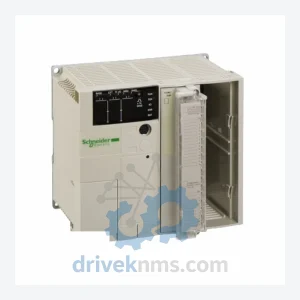
Schneider TSX3721001 Modular Base Controller – Momentum Series
Schneider TSX3721001 Modular Base Controller: Procurement Strategy & Asset Value in a Constrained Supply Chain The Schneider Electric TSX3721001 is…
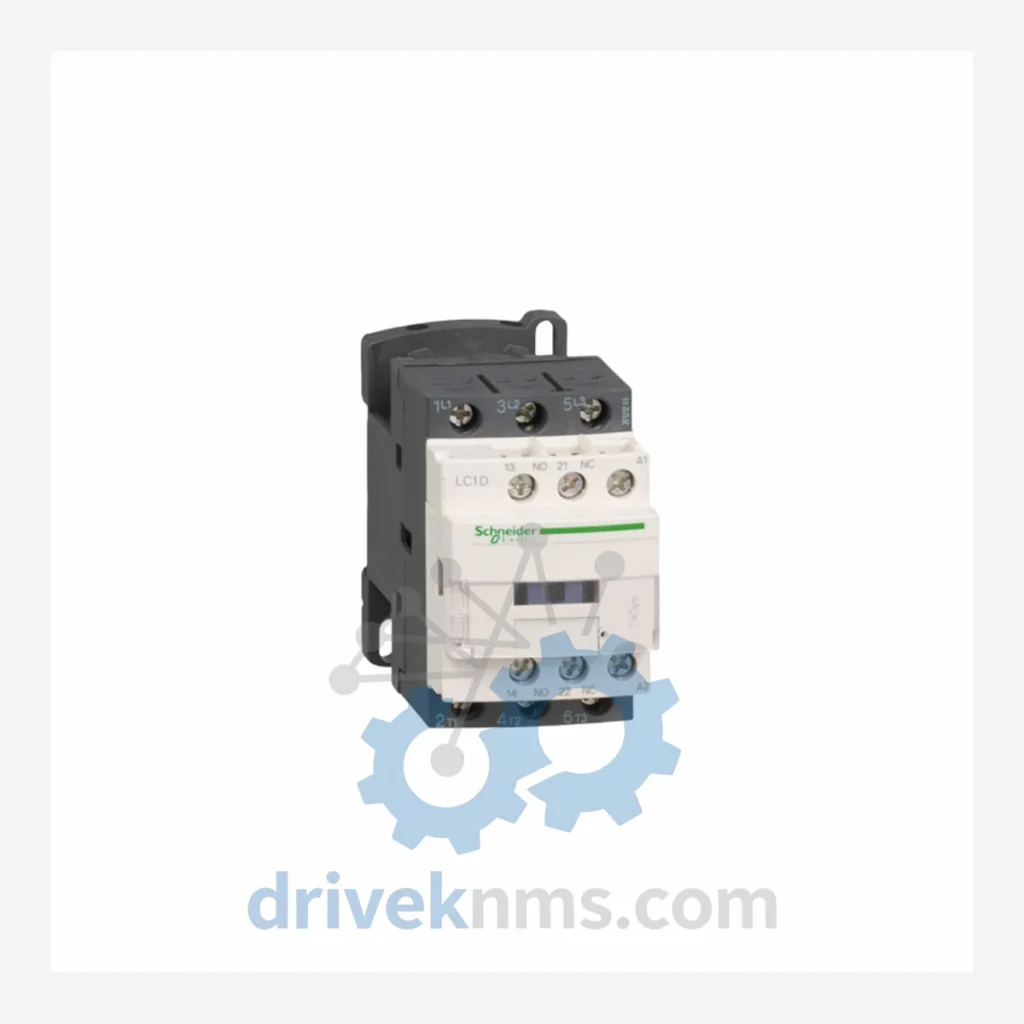
Model: LC1D25M7C
Product Overview
Commercial availability is handled through direct RFQ, model verification and export-oriented follow-up rather than public cart checkout.
Datasheet Preview
Use attached product manuals when available. If the manual is not public yet, request the full file directly through RFQ.
Commercial Path
Product pages on DRIVEKNMS are designed to verify model, brand and series first, then move the buyer into one clean quotation path.
Technical Dossier
The Schneider Electric LC1D Series (TeSys D) is one of the most widely deployed contactor families in global heavy industry. Installed across chemical processing plants, nuclear power facilities, oil refineries, and large-scale manufacturing lines, the LC1D range covers motor control applications from 9A to 95A (AC-3 duty). Its standardized DIN-rail footprint, broad coil voltage selection, and IEC 60947-4-1 compliance have made it the default specification for motor starters in European and Asian industrial projects since the early 1990s. The LC1D25M7C — a 25A, 3-pole contactor with a 220VAC 50/60Hz coil — represents the mid-range workhorse of this series, used extensively in pump, fan, and compressor motor control circuits.
The TeSys D contactor line was introduced by Telemecanique (acquired by Schneider Electric in 1988) as a successor to the LC1-D and CA2 relay families. The original LC1D design established a modular architecture: a fixed 3-pole power block with a standardized auxiliary contact interface on the top and sides, accepting add-on blocks (LA1D, LA9D series) without rewiring. This mechanical compatibility has been maintained across all production generations, meaning a 1995-era LC1D09 and a current-production LC1D09 share the same mounting footprint and auxiliary block interface.
Key architectural milestones: the introduction of the LC1DT sub-series added 4-pole configurations for switching non-motor loads; the LC1DWK variants introduced wiring-ready kits for star-delta starters; and the LC1D…BL suffix variants added 24VDC coil options for PLC-direct drive without interposing relays. The series entered its mature/maintenance phase around 2015, with Schneider Electric designating TeSys Deca (LC1E series) as the forward-looking replacement. However, LC1D remains in active production and full spare parts support is confirmed through at least 2030 per Schneider Electric lifecycle documentation.
The following SKUs represent verified, commonly stocked models within the Schneider Electric LC1D (TeSys D) contactor series. Models are organized by rated current and coil voltage.
9A Frame (IEC AC-3, up to 4kW / 400V)
12A Frame (IEC AC-3, up to 5.5kW / 400V)
18A Frame (IEC AC-3, up to 7.5kW / 400V)
25A Frame (IEC AC-3, up to 11kW / 400V)
32A Frame (IEC AC-3, up to 15kW / 400V)
38A / 40A Frame (IEC AC-3, up to 18.5kW / 400V)
50A / 65A / 80A / 95A Frames
DriveKNMS maintains a dedicated inventory program for the Schneider Electric LC1D (TeSys D) series, covering both current-production and discontinued variants. While Schneider Electric has confirmed active production support through 2030, certain coil voltage variants (e.g., 42VAC, 110VAC, 380VAC coil suffixes) and early-production mechanical configurations have reduced availability through standard distribution channels.
Each LC1D contactor processed by DriveKNMS undergoes a structured inspection protocol addressing the specific failure modes of this series. The primary contact assembly (3-pole silver-alloy contacts) is inspected for contact erosion depth and surface pitting using calibrated gauges; units with contact wear exceeding 50% of rated travel are rejected. The coil resistance is measured and compared against Schneider Electric published nominal values (tolerance ±10%) to identify shorted turns or insulation degradation. The arc chute and contact chamber are inspected for carbon tracking and debris accumulation. Mechanical operation is verified through a minimum of 10 manual actuation cycles to confirm spring return force and contact gap consistency. For units with auxiliary contact blocks (LA1D, LA9D add-ons), each auxiliary contact is independently tested for continuity and isolation resistance. Units passing all inspection stages are issued a DriveKNMS inspection record and dispatched with original or equivalent packaging.
© 2026 DriveKNMS. All trademarks belong to their respective owners. Specifications are for reference only and subject to change without notice. Verify all parameters against official documentation before installation.
Related Paths
Schneider TSX3721001 Modular Base Controller: Procurement Strategy & Asset Value in a Constrained Supply Chain The Schneider Electric TSX3721001 is…
Schneider Electric VW3A Series: Comprehensive Module Range and Technical Overview The Schneider Electric (Telemecanique) VW3A series represents the definitive accessory…
Schneider Electric TSX DSY Series: Comprehensive Module Range and Technical Overview The Schneider Electric TSX DSY series represents the discrete…