
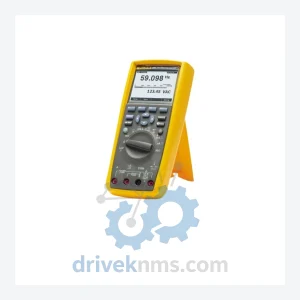
Fluke 289C True-RMS Industrial Logging Multimeter – FlukeView Series
Fluke 289C is listed for FlukeView Series RFQ review. Confirm quantity, condition and destination before quotation.
RFQ-ready industrial model
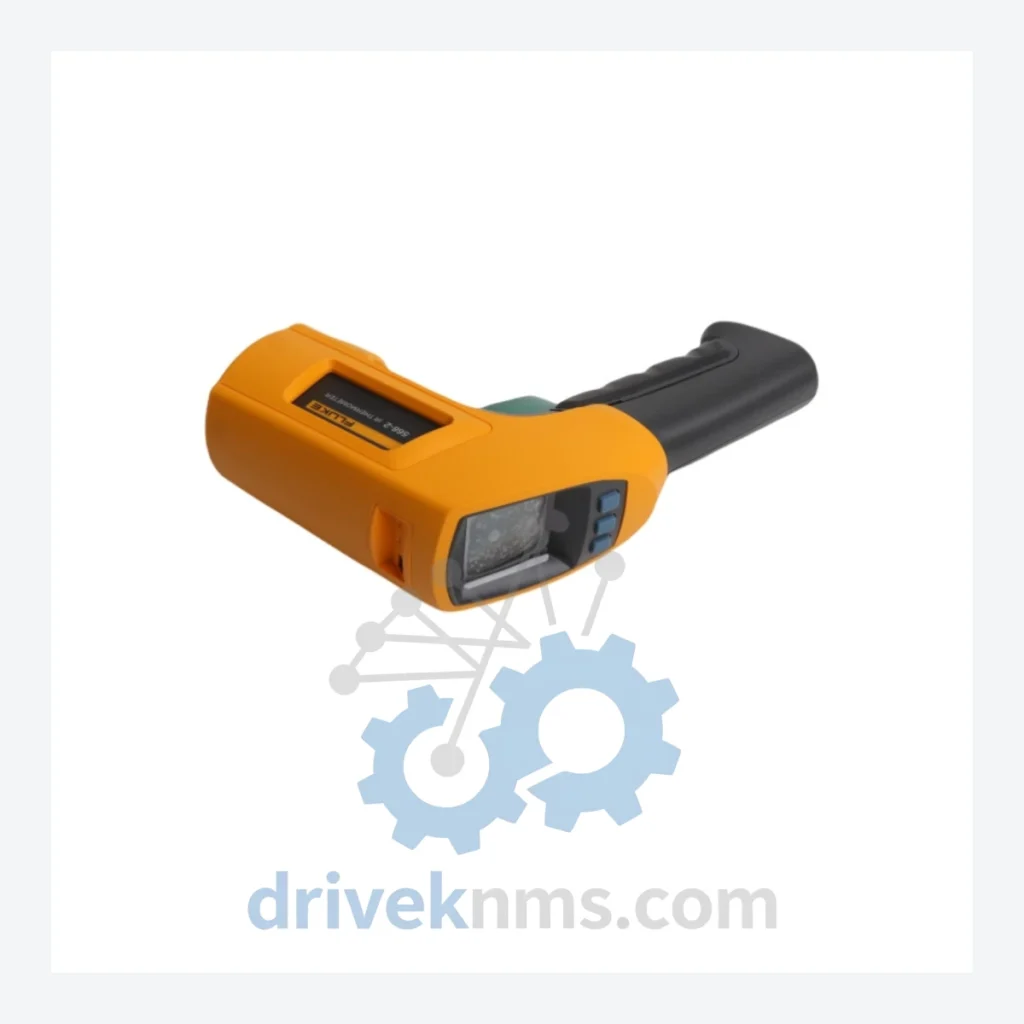
Model: 568-2
Product Overview
Commercial availability is handled through direct RFQ, model verification and export-oriented follow-up rather than public cart checkout.
Datasheet Preview
Use attached product manuals when available. If the manual is not public yet, request the full file directly through RFQ.
Commercial Path
Product pages on DRIVEKNMS are designed to verify model, brand and series first, then move the buyer into one clean quotation path.
Technical Dossier
| Model | Fluke 568-2 |
| Measurement Modes | Infrared (non-contact) + Type K thermocouple (contact) |
| Infrared Temperature Range | -40°C to +800°C (-40°F to +1472°F) |
| Contact Temperature Range | -40°C to +537°C (-40°F to +999°F) via Type K thermocouple |
| Infrared Accuracy | ±1°C or ±1% of reading (whichever is greater) |
| Distance-to-Spot Ratio | 50:1 |
| Emissivity | Adjustable, 0.10 to 1.00 |
| Display | Backlit LCD with laser pointer |
| Data Logging | Yes – MIN/MAX/AVG/DIF functions |
| Power | 9V battery |
| IP Rating | IP54 (dust and splash resistant) |
| Standards Compliance | CE, CSA |
| Country of Origin | United States |
| Current Production Status | Active – Critical spare availability may be regionally constrained |
The Fluke 568-2 occupies a specific role in industrial thermal management: it bridges non-contact infrared scanning with direct thermocouple measurement in a single, calibrated instrument. Facilities that have standardized on this model across multiple maintenance teams face a practical problem — when one unit fails, replacing it with a different model disrupts established measurement protocols, requires technician retraining, and may invalidate historical temperature baselines used for predictive maintenance records.
For plant managers operating aging infrastructure, the calculus is straightforward: the cost of sourcing an identical replacement unit is a fraction of the cost of recalibrating processes, retraining staff, or triggering an unplanned shutdown. Industrial facilities running legacy thermal monitoring programs — including those integrated with Honeywell DCS platforms, Siemens SIMATIC maintenance systems, or standalone SCADA-linked data loggers — depend on instrument consistency across measurement cycles. Substituting a different model mid-program introduces variables that undermine data integrity.
Thermal measurement instruments are a frontline tool in any predictive maintenance program. A functioning Fluke 568-2 — or its verified equivalent — enables maintenance teams to detect bearing overheating, electrical panel hot spots, motor winding degradation, and heat exchanger fouling before these conditions escalate to equipment failure. The instrument itself is not the asset; the data it generates protects assets worth orders of magnitude more.
Facilities that maintain a dedicated spare instrument inventory — rather than relying on shared pool units or reactive procurement — consistently report longer intervals between major equipment failures. The logic is not complex: when a measurement tool is unavailable, inspections are deferred. Deferred inspections allow developing faults to progress undetected. The cost of a single missed bearing failure or an undetected electrical fault in a high-voltage panel routinely exceeds the cost of maintaining a full year's supply of critical measurement spares.
For facilities managing equipment with a 10–20 year operational horizon, the recommended approach is to maintain a minimum of two verified spare units per measurement category, rotate them on a calibration schedule, and document serial numbers and calibration certificates centrally. This practice extends the effective service life of the broader maintenance program and reduces dependency on spot-market procurement under pressure.
Every Fluke 568-2 unit processed through DriveKNMS undergoes a structured 5-step quality verification protocol before dispatch:
Q: How do I verify calibration status before use?
A: Calibration documentation is provided where available. For facilities with active calibration programs, we recommend submitting the unit to your accredited calibration provider upon receipt before placing it into service rotation.
Continue The Model Path
Move from this exact model into the matching system hub, brand archive, model-family archive or lifecycle sourcing route before sending a final RFQ list.
Related Paths
Fluke 289C is listed for FlukeView Series RFQ review. Confirm quantity, condition and destination before quotation.
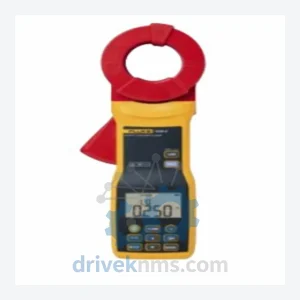
Fluke 1630-2FC is listed for Controller Cards RFQ review. Confirm quantity, condition and destination before quotation.
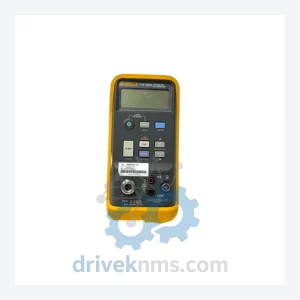
Fluke 719100G is listed for 719 Series RFQ review. Confirm quantity, condition and destination before quotation.