
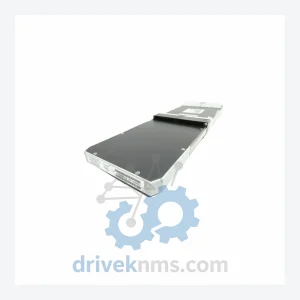
Foxboro FBM Series Modules FBM6 P0400YG
Foxboro FBM6 P0400YG is listed for FBM Series RFQ review. Confirm quantity, condition and destination before quotation.
RFQ-ready industrial model
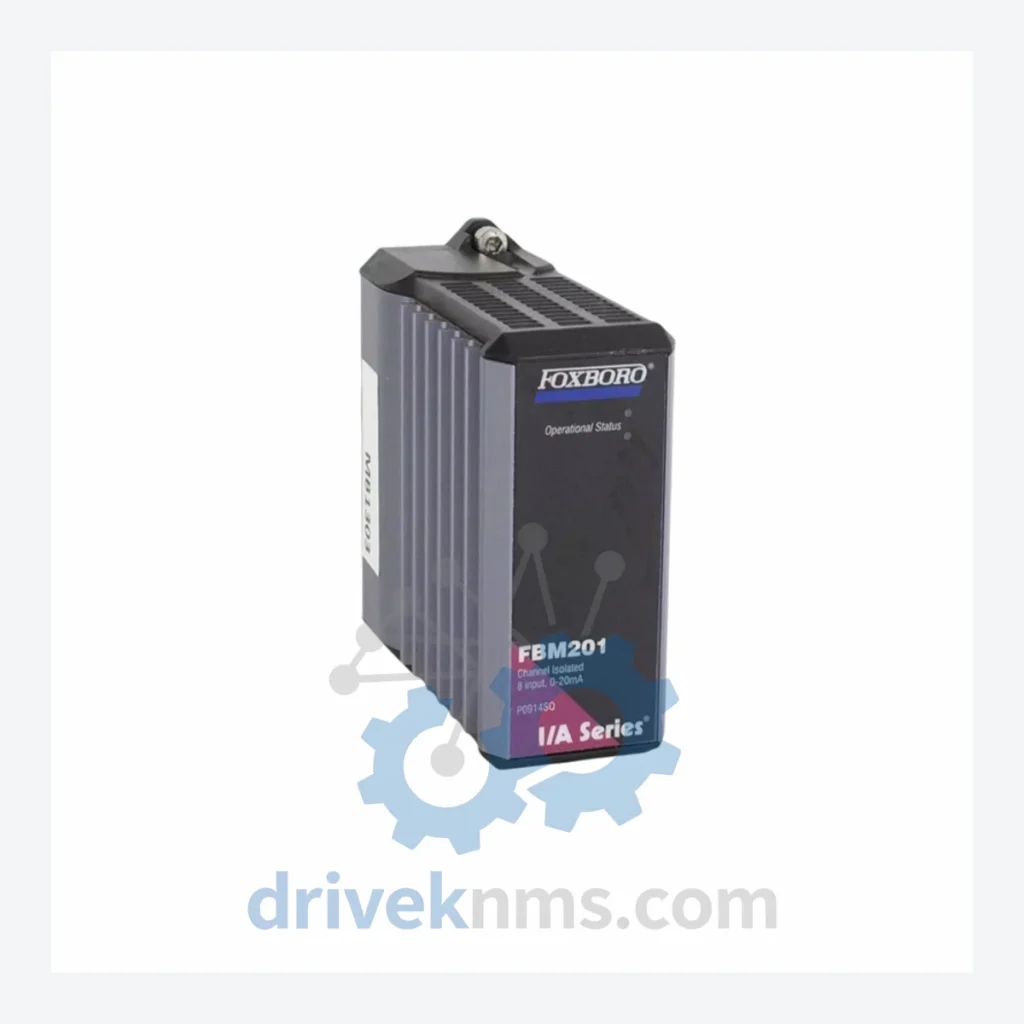
Model: FBM201 P0916AA 0C
Product Overview
Commercial availability is handled through direct RFQ, model verification and export-oriented follow-up rather than public cart checkout.
Datasheet Preview
Use attached product manuals when available. If the manual is not public yet, request the full file directly through RFQ.
Commercial Path
Product pages on DRIVEKNMS are designed to verify model, brand and series first, then move the buyer into one clean quotation path.
Technical Dossier
The I/A Series DCS, introduced in the 1980s and continuously evolved through the Foxboro Evo platform, relies on FBM modules as the physical interface between field instrumentation and the control network. Each FBM module handles a specific signal type — analog input, analog output, digital input, digital output, pulse input, or serial communications — and connects to the Nodebus or Fieldbus network via a standardized backplane. This architecture allows modular replacement without full system shutdown, a critical advantage in continuous-process industries.
As of 2026, the FBM Series is in its mature/legacy phase. Schneider Electric (which acquired Foxboro parent Invensys in 2014) continues to support the platform under the EcoStruxure Foxboro DCS umbrella, but many discrete FBM module variants are no longer manufactured. Procurement teams managing aging I/A Series installations must navigate a shrinking OEM supply chain, making third-party certified spare parts sourcing an operational necessity rather than a cost-cutting option.
The FBM Series has undergone three distinct architectural generations since its introduction:
Generation 1 (FBM01–FBM30, 1987–1995): Original Nodebus-connected modules with DIN-rail or rack mounting. These modules used proprietary Foxboro communication protocols and were designed for the CP10, CP30, and CP40 control processors. Signal density was low (4–8 channels per module), and redundancy required physical module pairs. Many of these variants are now fully obsolete with no OEM replacement path.
Generation 2 (FBM100–FBM220, 1995–2008): Introduced higher channel density, improved diagnostics, and compatibility with the CP60 and CP270 processors. This generation added HART pass-through capability on analog modules and expanded the digital I/O range. The FBM201 P0916AA 0C belongs to this generation — a 16-channel analog input module with 4–20 mA signal handling and HART protocol support, widely used in refinery and chemical plant applications.
Generation 3 / Foxboro Evo (FBM230+, 2008–present): Introduced Ethernet-based Fieldbus, higher processing speed, and compatibility with the CP270 and CP280 processors. Backward compatibility with Generation 2 backplanes is partial and must be verified per installation. Schneider Electric positions the Evo platform as the migration target for legacy I/A Series sites.
The key compatibility risk for maintenance engineers: FBM modules are backplane-specific. Substituting a Generation 3 module into a Generation 2 rack without firmware and configuration validation will result in communication faults. DriveKNMS provides pre-shipment compatibility verification for all FBM replacements.
Analog Input Modules (AI)
Analog Output Modules (AO)
Digital Input Modules (DI)
Digital Output Modules (DO)
Pulse Input / Special Function Modules
Communication & Serial Interface Modules
DriveKNMS maintains a dedicated inventory of legacy FBM modules sourced through verified industrial surplus channels, decommissioned plant asset sales, and authorized refurbishment partners. Our sourcing protocol for obsolete FBM variants includes:
For sites where a specific FBM variant is confirmed end-of-life with no equivalent replacement, DriveKNMS can advise on validated migration paths to Foxboro Evo equivalents, including backplane compatibility assessment.
FBM modules present specific quality verification challenges due to their backplane bus interface and multi-channel signal conditioning circuitry. Standard visual inspection and power-on testing are insufficient to confirm functional integrity. DriveKNMS applies the following test protocol to all FBM inventory:
Q: How are RFQ terms confirmed?
A: Quantity, required condition, documentation needs, destination and sourcing route are confirmed during RFQ review before quotation.
Continue The Model Path
Move from this exact model into the matching system hub, brand archive, model-family archive or lifecycle sourcing route before sending a final RFQ list.
Related Paths
Foxboro FBM6 P0400YG is listed for FBM Series RFQ review. Confirm quantity, condition and destination before quotation.
Foxboro P0400YE FBM4 is listed for FBM Series RFQ review. Confirm quantity, condition and destination before quotation.
Foxboro P0400DA FBM 1 is listed for FBM Series RFQ review. Confirm quantity, condition and destination before quotation.