
Foxboro I/A Series Modules P0971WV DNBT Dual Nodebus Module
Foxboro P0971WV DNBT is listed for Controller Cards RFQ review. Confirm quantity, condition and destination before quotation.
RFQ-ready industrial model
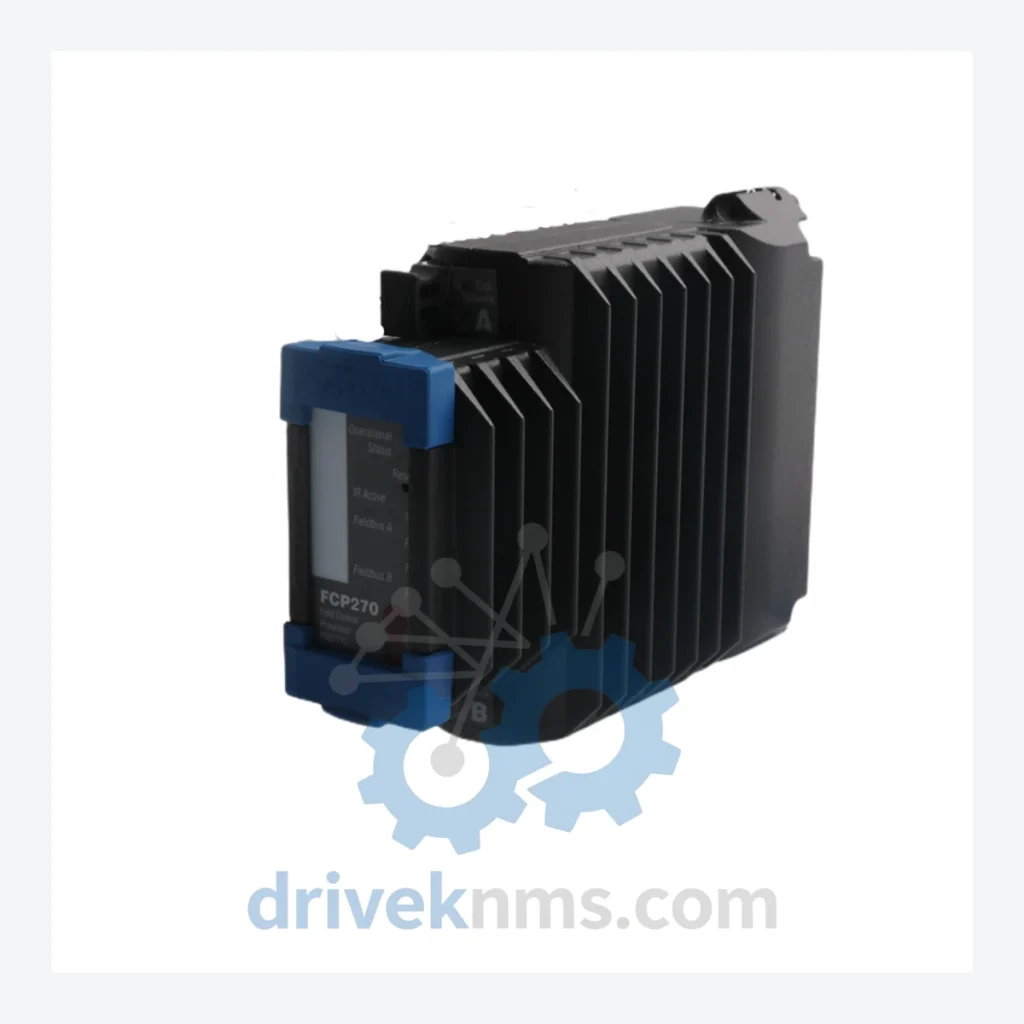
Model: FCP270 P0917YZ
Product Overview
Commercial availability is handled through direct RFQ, model verification and export-oriented follow-up rather than public cart checkout.
Datasheet Preview
Use attached product manuals when available. If the manual is not public yet, request the full file directly through RFQ.
Commercial Path
Product pages on DRIVEKNMS are designed to verify model, brand and series first, then move the buyer into one clean quotation path.
Technical Dossier
The FCP270 is the third-generation field controller in the Foxboro I/A Series lineage, succeeding the FCP10 and FCP20/FCP280 platforms introduced in the 1980s and 1990s. The FCP10 operated on the original Nodebus at 2 Mbit/s; the FCP20 introduced redundant fieldbus paths and expanded block capacity. The FCP270 generation, released in the early 2000s, introduced a 32-bit RISC processor core, expanded RAM for larger control databases, and native support for the 100 Mbit/s Mesh Control Network alongside legacy Nodebus. This dual-network compatibility allowed phased migration from older I/A Series hardware without full system replacement—a key factor in its adoption at sites with 20–30 year operational horizons.
The FCP270 supports IEC 61131-3 function block programming via Foxboro Control Software (FCS) and integrates with FOUNDATION Fieldbus H1, HART, and Profibus DP field devices through dedicated fieldbus interface modules. As of 2026, the FCP270 series is in the mature/end-of-active-production phase. Foxboro (now part of Schneider Electric's EcoStruxure Foxboro DCS portfolio) has transitioned new projects to the FCP280 and CP60 platforms. However, the installed base of FCP270 systems remains extensive, and long-term maintenance support, spare parts availability, and third-party repair services remain commercially active.
The following SKUs represent the verified FCP270 series module range. Each entry is classified by functional category.
Field Control Processors (CPU / Main Controller)
Analog Input (AI) Modules
Analog Output (AO) Modules
Digital Input (DI) Modules
Digital Output (DO) Modules
Communication & Fieldbus Adapters
Power Supply Modules
Continue The Model Path
Move from this exact model into the matching system hub, brand archive, model-family archive or lifecycle sourcing route before sending a final RFQ list.
Related Paths
Foxboro P0971WV DNBT is listed for Controller Cards RFQ review. Confirm quantity, condition and destination before quotation.
Foxboro FBM204 is listed for Controller Cards RFQ review. Confirm quantity, condition and destination before quotation.
Foxboro FBM211 is listed for Controller Cards RFQ review. Confirm quantity, condition and destination before quotation.