
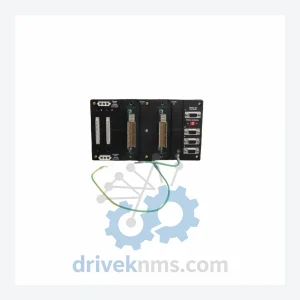
Foxboro RH924YF Mounted Modular Controller – Obsolete I/A Series Spare Part
Foxboro RH924YF is listed for I/A Series RFQ review. Confirm quantity, condition and destination before quotation.
RFQ-ready industrial model
Model: SPEC-200
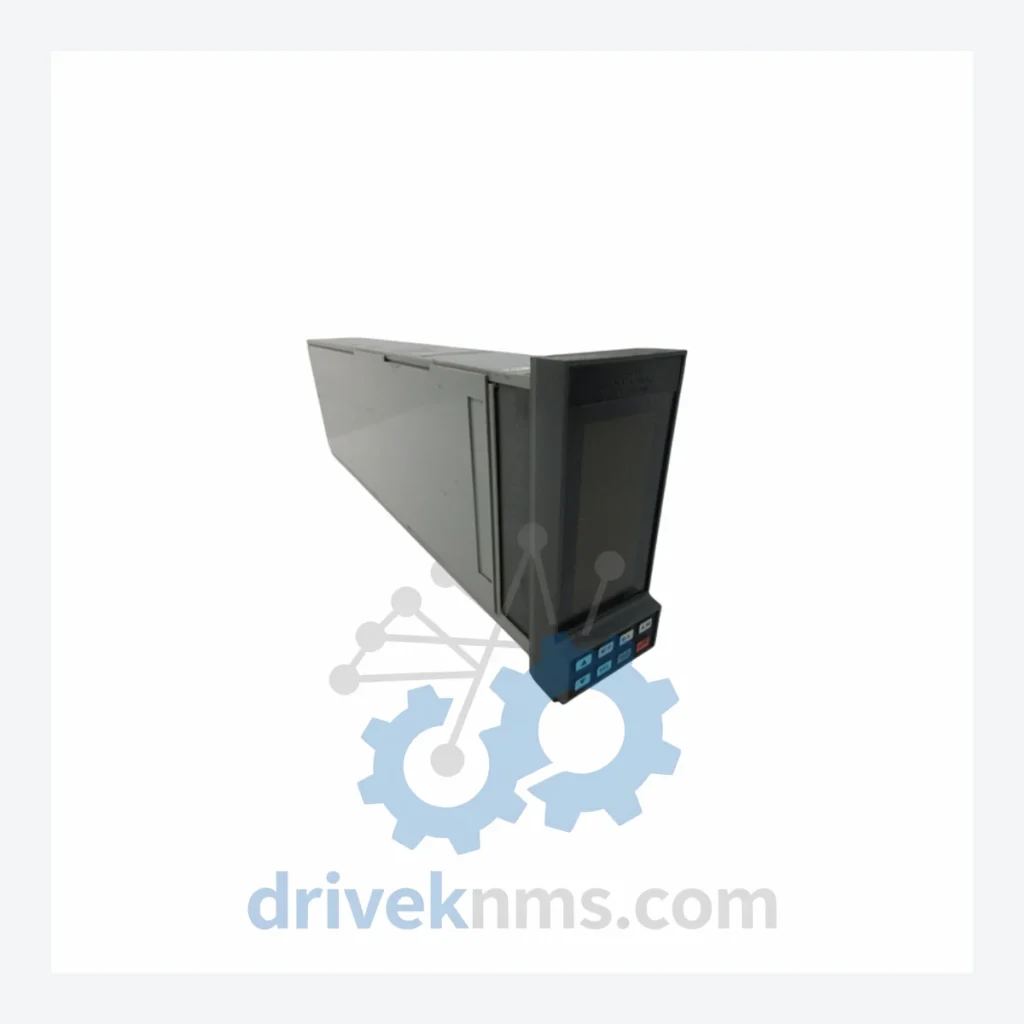
Product Overview
Commercial availability is handled through direct RFQ, model verification and export-oriented follow-up rather than public cart checkout.
Datasheet Preview
Use attached product manuals when available. If the manual is not public yet, request the full file directly through RFQ.
Commercial Path
Product pages on DRIVEKNMS are designed to verify model, brand and series first, then move the buyer into one clean quotation path.
Technical Dossier
The SPEC-200 system was introduced in the 1970s as a successor to Foxboro's earlier pneumatic and early electronic control platforms. Its architecture is built around the 200 mm (8-inch) card format inserted into standardized racks, with a passive backplane that routes power and signal buses. Early generations focused on single-loop PID control with manual/auto transfer stations. Through the 1980s, Foxboro expanded the catalog to include cascade controllers, ratio controllers, and feedforward summing modules, enabling more complex process strategies without requiring a digital host system.
The following SKUs represent verified, commonly deployed modules within the Foxboro SPEC-200 platform. Modules are classified by functional category.
Controllers & Indicators
I/O Signal Conditioning Modules
Power Supply Modules
Communication & Interface Modules
SPEC-200 modules present specific quality control challenges due to their analog circuit architecture, passive backplane interface, and age-related component degradation. DriveKNMS applies a structured test protocol to all SPEC-200 modules prior to shipment. Each module undergoes visual inspection for PCB damage, corrosion, and component substitution. Functional testing is performed using a dedicated SPEC-200 rack test bench configured to replicate standard backplane signal conditions. PID controller modules are tested across the full output range (4–20 mA) with simulated process variable inputs, verifying proportional, integral, and derivative response parameters. Signal conditioning modules are tested against calibrated reference signals to verify input linearization accuracy and output scaling. Power supply modules are load-tested at rated current with ripple and regulation measurements recorded. All test results are documented and accompany the shipment. Modules that do not meet original Foxboro performance specifications are rejected from inventory and not offered for sale.
Continue The Model Path
Move from this exact model into the matching system hub, brand archive, model-family archive or lifecycle sourcing route before sending a final RFQ list.
Related Paths
Foxboro RH924YF is listed for I/A Series RFQ review. Confirm quantity, condition and destination before quotation.
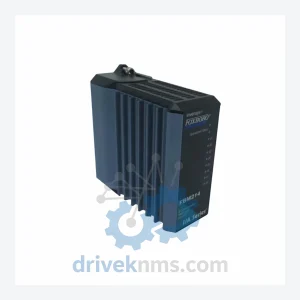
Foxboro FBM204 P0914SY is listed for Series 200 RFQ review. Confirm quantity, condition and destination before quotation.
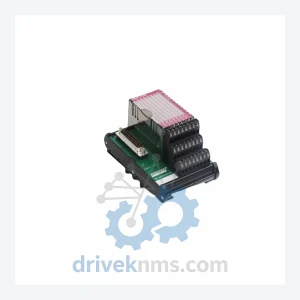
Foxboro AD916AC FBM202 is listed for Servo Drives RFQ review. Confirm quantity, condition and destination before quotation.