
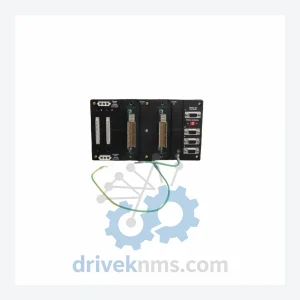
Foxboro RH924YF Mounted Modular Controller – Obsolete I/A Series Spare Part
Foxboro RH924YF is listed for I/A Series RFQ review. Confirm quantity, condition and destination before quotation.
RFQ-ready industrial model
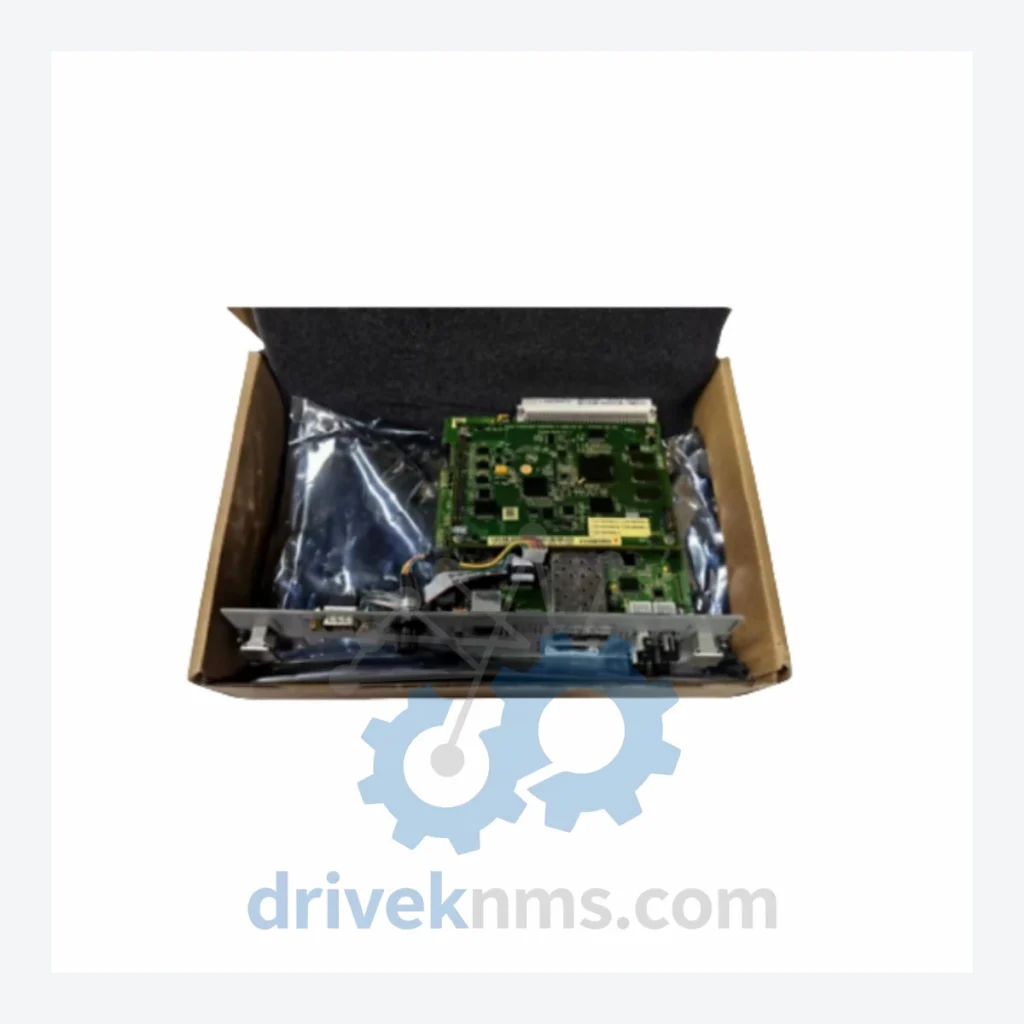
Model: SY-60301003RN RTU50
Product Overview
Commercial availability is handled through direct RFQ, model verification and export-oriented follow-up rather than public cart checkout.
Datasheet Preview
Use attached product manuals when available. If the manual is not public yet, request the full file directly through RFQ.
Commercial Path
Product pages on DRIVEKNMS are designed to verify model, brand and series first, then move the buyer into one clean quotation path.
Technical Dossier
RFQ support for obsolete parts: Send the model number, required quantity and destination so DriveKNMS can confirm sourcing options before quotation.
| Parameter | Detail |
|---|---|
| Part Number | SY-60301003RN |
| Platform | Foxboro RTU50 |
| Module Function | Central Motherboard / CPU Carrier Board |
| Manufacturer | Foxboro (Schneider Electric) |
| Country of Origin | United States |
| Production Status | Discontinued / Obsolete |
| Compatible Systems | Foxboro RTU50 Remote Terminal Unit series |
| Typical Application | Pipeline SCADA, refinery DCS edge nodes, process plant remote I/O |
The Foxboro RTU50 platform was widely deployed across oil & gas, water treatment, and power generation facilities throughout the 1990s and 2000s. Its communication architecture, I/O mapping, and field wiring are deeply integrated into existing plant infrastructure. When Foxboro discontinued the RTU50 line, the installed base did not disappear — it simply lost its supply chain.
The SY-60301003RN motherboard is the single point of failure that can bring an entire RTU50 node offline. A failed board means loss of field data acquisition, loss of remote control capability, and — depending on the process — potential safety system degradation. The engineering cost of migrating even one RTU50 node to a current-generation platform involves loop-by-loop signal re-mapping, new marshalling cabinets, updated SCADA driver configuration, and process shutdown windows. Conservative estimates place per-node migration costs between USD 80,000 and USD 300,000 depending on I/O count and process criticality.
Sourcing a replacement SY-60301003RN board from DriveKNMS eliminates that cost entirely for the current maintenance cycle and buys the operations team the planning time to execute a controlled, budgeted migration on their own schedule — not on the schedule imposed by an unplanned failure.
The decision to extend the operational life of a legacy automation platform is not a technical failure — it is a capital allocation decision. For facilities where the RTU50 is performing its function reliably, the following approach has been used by maintenance teams to sustain operations for an additional 5 to 10 years without full system replacement:
Q: How are RFQ terms confirmed?
A: Quantity, required condition, documentation needs, destination and sourcing route are confirmed during RFQ review before quotation.
3. Firmware Version Control. Document the firmware revision currently running on each RTU50 node. Replacement boards must be loaded with a compatible firmware version before installation. DriveKNMS can advise on firmware compatibility based on your existing node configuration.
Every SY-60301003RN board processed by DriveKNMS passes a structured 5-step quality protocol before it is offered for sale:
Step 1 – Visual and Physical Inspection. Full board examination for mechanical damage, burnt components, cracked solder joints, and connector pin integrity. Boards with physical damage that cannot be remediated are rejected at this stage.
Step 2 – Electrolytic Capacitor Assessment. Capacitors are the primary age-related failure mode on boards of this generation. Each capacitor is tested for capacitance value, ESR (equivalent series resistance), and leakage. Out-of-tolerance capacitors are replaced with specification-matched components.
Step 4 – Connector and Pin Corrosion Check. All edge connectors and backplane pins are inspected under magnification and cleaned. Corroded contacts are treated or the board is rejected if contact integrity cannot be restored.
Step 5 – Functional Bench Test. Where test fixtures are available, boards are powered and subjected to a functional verification sequence. Test results are documented and accompany the shipment.
This matters because the alternative — a platform migration — requires process engineers, automation vendors, project management, and a planned shutdown. The cost differential between a board replacement and a platform migration is not marginal. It is structural. Facilities that maintain an adequate spare board inventory avoid that cost entirely for the duration of the legacy platform's operational life.
Q: Should I buy more than one board as a long-term reserve?
A: For facilities operating more than two RTU50 nodes, holding a minimum of two spare SY-60301003RN boards is a defensible maintenance strategy. The board is no longer manufactured, and market availability will decrease over time. The cost of a spare board is a fraction of the cost of a single unplanned outage on a process-critical node.
Q: Can DriveKNMS source other RTU50 components?
A: Yes. Contact us with your full bill of materials for the RTU50 platform and we will advise on availability for each line item.
Continue The Model Path
Move from this exact model into the matching system hub, brand archive, model-family archive or lifecycle sourcing route before sending a final RFQ list.
Related Paths
Foxboro RH924YF is listed for I/A Series RFQ review. Confirm quantity, condition and destination before quotation.
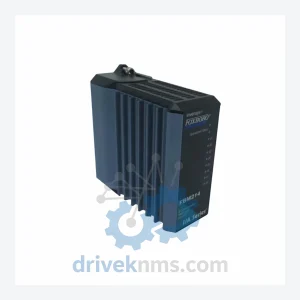
Foxboro FBM204 P0914SY is listed for Series 200 RFQ review. Confirm quantity, condition and destination before quotation.
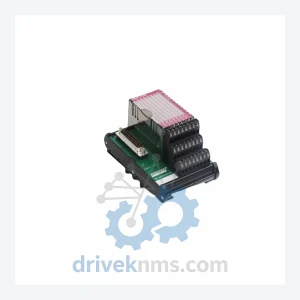
Foxboro AD916AC FBM202 is listed for Servo Drives RFQ review. Confirm quantity, condition and destination before quotation.