
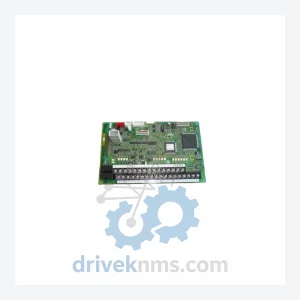
FUJI EP-3364B-CA-Z2 Inverter Control Board – FRENIC Series
Fuji Electric EP-3364B-CA-Z2 is listed for FRENIC Series RFQ review. Confirm quantity, condition and destination before quotation.
RFQ-ready industrial model
Model: 7500S-AZ 90130042A 80399 110M-PS
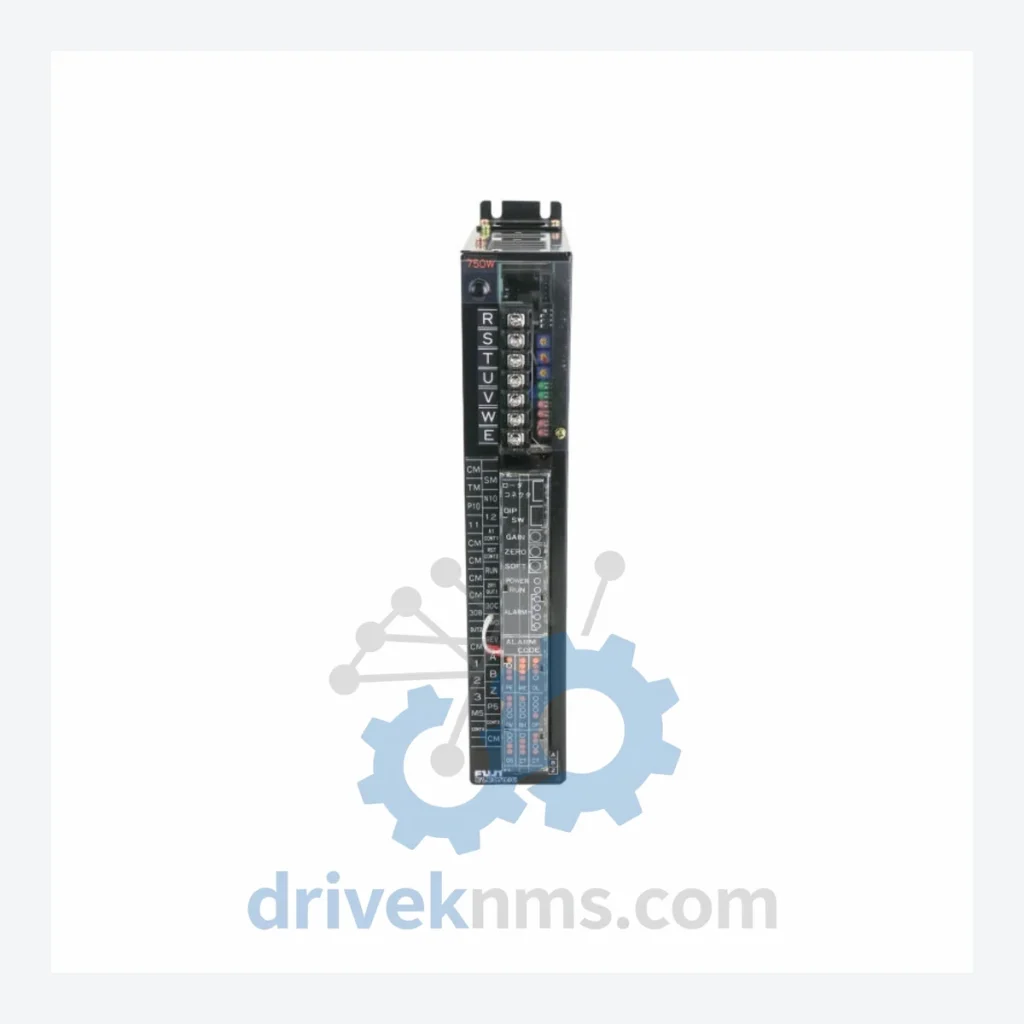
Product Overview
Commercial availability is handled through direct RFQ, model verification and export-oriented follow-up rather than public cart checkout.
Datasheet Preview
Use attached product manuals when available. If the manual is not public yet, request the full file directly through RFQ.
Commercial Path
Product pages on DRIVEKNMS are designed to verify model, brand and series first, then move the buyer into one clean quotation path.
Technical Dossier
RFQ support for obsolete parts: Send the model number, required quantity and destination so DriveKNMS can confirm sourcing options before quotation.
| Manufacturer | Fuji Electric |
|---|---|
| Part Number | 90130042A / 80399 |
| Model Series | 7500S-AZ |
| Variant Code | 110M-PS |
| Product Category | AC Servo Driver / Servo Amplifier |
| Country of Origin | Japan |
| Lifecycle Status | Discontinued – No longer manufactured by Fuji Electric |
| Typical Application | Precision motion control in industrial automation systems; commonly paired with Fuji Electric FALDIC servo motor series and legacy CNC/PLC-integrated motion platforms |
Note: Electrical parameters (input voltage range, rated output current, encoder interface specification) are not published here to prevent misapplication. Contact us with your system nameplate data for a verified compatibility check before ordering.
The Fuji Electric 7500S-AZ series was deployed extensively in precision manufacturing environments during its production years — packaging lines, CNC machining centers, semiconductor handling equipment, and textile machinery among them. Its motion control architecture was tightly integrated with the host PLC or CNC controller through proprietary communication protocols and tuning parameters stored in the drive itself.
For plant managers operating equipment with a remaining useful life of 5–10 years, the economics are straightforward: sourcing an original 7500S-AZ unit at a fraction of the retrofit cost preserves the existing validated motion profile, eliminates re-commissioning risk, and keeps the line running on a known-good configuration. The spare part is not a cost — it is insurance against a forced capital expenditure.
Obsolete servo drivers sourced from the secondary market carry real risk if not properly evaluated. DriveKNMS applies a 5-stage inspection protocol to every unit before it is offered for sale:
Stage 1 – Electrolytic Capacitor Assessment: Servo driver DC bus capacitors and filter capacitors are the primary age-related failure point. Each unit is inspected for capacitor bulging, electrolyte leakage, and ESR degradation. Units with compromised capacitors are either recapped with equivalent-spec components or rejected from inventory.
Stage 2 – Firmware Version Verification: Where accessible, the firmware revision is documented and cross-referenced against known compatibility records for the 7500S-AZ series. Mismatched firmware versions can cause parameter incompatibility with the host controller.
Stage 3 – Terminal and Connector Inspection: All I/O terminals, power input terminals, encoder connectors, and communication ports are inspected under magnification for pin corrosion, oxidation, and mechanical damage. Corroded contacts are cleaned or the unit is rejected.
Stage 4 – Power-On Functional Test: Units are energized under controlled conditions to verify that the drive initializes correctly, fault codes are absent, and basic drive response is within expected parameters.
Stage 5 – Packaging and ESD Protection: Units are packaged in anti-static bags with desiccant and rigid outer packaging to prevent transit damage and moisture ingress during storage or shipping.
The primary operational advantage of sourcing an original 7500S-AZ unit is direct hardware compatibility. This is a drop-in replacement for a failed unit of the same model — no re-engineering of the motion control architecture, no modification of the host controller interface, and no re-validation of the servo loop tuning from zero.
Q: How are RFQ terms confirmed?
A: Quantity, required condition, documentation needs, destination and sourcing route are confirmed during RFQ review before quotation.
Q: How is condition confirmed before quotation?
A: Available condition, photos, test records and documentation are checked according to the requested model and sourcing channel before a formal RFQ response.
How do I confirm this is a genuine Fuji Electric unit and not a counterfeit?
All units sourced by DriveKNMS are inspected for manufacturer markings, label consistency, and internal construction quality. We do not sell units where authenticity cannot be verified. Customers are welcome to request inspection photos prior to purchase.
Can you source other Fuji Electric 7500S-AZ variants?
Contact us with your specific part number. We maintain relationships with multiple industrial asset recovery sources and can often locate variants not currently listed in our public inventory.
Continue The Model Path
Move from this exact model into the matching system hub, brand archive, model-family archive or lifecycle sourcing route before sending a final RFQ list.
Related Paths
Fuji Electric EP-3364B-CA-Z2 is listed for FRENIC Series RFQ review. Confirm quantity, condition and destination before quotation.
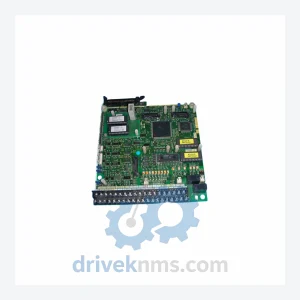
Fuji Electric EP-3429-C6-Z2 is listed for FUJI EP Series RFQ review. Confirm quantity, condition and destination before quotation.
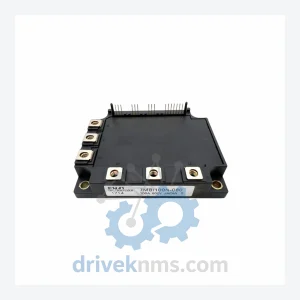
Fuji Electric 7MBI100N-060 is listed for Servo Drives RFQ review. Confirm quantity, condition and destination before quotation.