
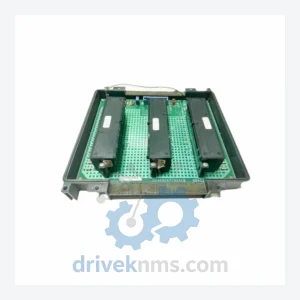
GE DS3800XTIA1A1B Turbine Control Card – Obsolete Mark IV Spare Part
General Electric DS3800XTIA1A1B is listed for Mark IV RFQ review. Confirm quantity, condition and destination before quotation.
RFQ-ready industrial model
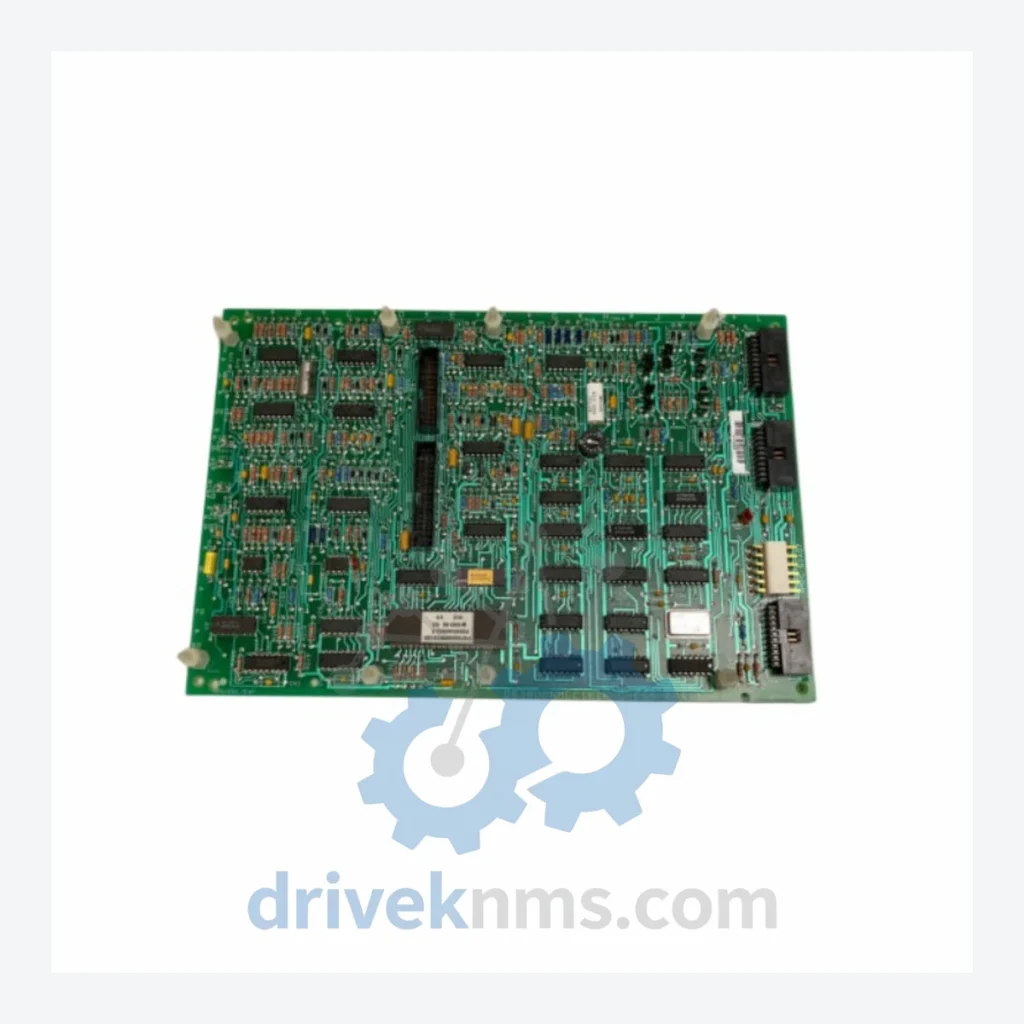
Model: DS3800NMEC1K1K
Product Overview
Commercial availability is handled through direct RFQ, model verification and export-oriented follow-up rather than public cart checkout.
Datasheet Preview
Use attached product manuals when available. If the manual is not public yet, request the full file directly through RFQ.
Commercial Path
Product pages on DRIVEKNMS are designed to verify model, brand and series first, then move the buyer into one clean quotation path.
Technical Dossier
DriveKNMS reviews sourcing options for this model through RFQ handling before quotation.
RFQ support for obsolete parts: Send the model number, required quantity and destination so DriveKNMS can confirm sourcing options before quotation.
Q: How are RFQ terms confirmed?
A: Quantity, required condition, documentation needs, destination and sourcing route are confirmed during RFQ review before quotation.
The GE Mark IV Speedtronic platform was the backbone of gas turbine and steam turbine control across power generation, oil & gas, and petrochemical facilities from the 1980s through the early 2000s. Tens of thousands of units remain in active service globally. GE's transition to the Mark V and subsequently Mark VI and Mark VIe platforms left Mark IV operators in a difficult position: the OEM no longer supports the hardware, yet the installed base is too large and too deeply integrated to retire without significant capital expenditure.
The DS3800NMEC1K1K board sits within the core control logic of the Mark IV panel. Its failure does not produce a graceful degradation — it produces a hard trip. In a combined-cycle power plant or a gas compression station, an unplanned turbine trip carries immediate financial consequences: lost generation revenue, potential grid penalties, and emergency maintenance mobilization costs that dwarf the cost of maintaining a spare board inventory.
Facilities that have extended their Mark IV systems by 10 to 15 years beyond the OEM's intended lifecycle have done so through a disciplined approach to critical spare management. The DS3800NMEC1K1K is not a consumable — it is an asset protection instrument. Procuring one or two units as cold spares is the lowest-cost insurance policy available against a failure mode that cannot be resolved through any other means short of a full system replacement.
For plant managers facing board-level obsolescence pressure, the calculus is straightforward: the cost of a verified spare board is measured in thousands of dollars. The cost of an unplanned outage while sourcing a replacement on the open market — or worse, initiating an emergency control system upgrade — is measured in hundreds of thousands. The decision is an engineering and financial one, not a procurement one.
DriveKNMS applies a 5-step QA protocol to all obsolete PC boards before dispatch review. This process is designed specifically for the failure modes common to boards that have been in storage or service for extended periods:
Step 1 – Visual and Physical Inspection: Full board inspection for mechanical damage, trace corrosion, solder joint integrity, and connector pin condition. Boards with compromised connectors or corroded edge contacts are rejected at this stage.
Step 2 – Electrolytic Capacitor Assessment: Aging electrolytic capacitors are the primary failure mechanism in boards of this era. Each capacitor is tested for capacitance value, ESR (equivalent series resistance), and leakage. Boards with out-of-tolerance capacitors are either recapped with equivalent-spec components or quarantined.
Step 3 – Firmware and EPROM Verification: Where applicable, onboard EPROM or firmware versions are read and confirmed against known-good revision records. Mismatched or corrupted firmware is flagged before dispatch review.
Step 4 – Functional Bench Test: Boards are powered and tested under controlled conditions to verify operational response. Test results are logged and retained.
Step 5 – Anti-Static Packaging and Documentation: Boards are packaged in ESD-safe materials with a condition report. Lot traceability is maintained for all units shipped.
The DS3800NMEC1K1K is a direct drop-in replacement for the original board position within the GE Mark IV panel. No firmware re-flashing, no re-parameterization, and no control logic modification is required when replacing a failed board with a unit of the same revision. This characteristic is the defining advantage of sourcing an original-specification spare over pursuing a third-party retrofit or initiating a panel upgrade.
Engineering teams that have attempted to substitute non-OEM boards or cross-compatible alternatives have encountered integration issues that required significant engineering hours to resolve — hours that would not have been necessary with a verified original-spec replacement. The DS3800NMEC1K1K eliminates that risk. It restores the system to its validated operating state without introducing new variables into a control architecture that has been tuned and proven over years of operation.
Tier 1 – Immediate Hot Spares: One unit of each board that has experienced a failure in the past 24 months, held on-site in ESD-safe storage. These boards are rotated into service on failure and replaced within 30 days.
Tier 2 – Strategic Cold Spares: One to two units of each board identified as single-point-of-failure components — boards whose failure produces a hard trip with no redundant path. The DS3800NMEC1K1K falls into this category for most Mark IV configurations. These units are held in climate-controlled storage and inspected annually.
A facility that implements this three-tier approach can realistically extend its Mark IV system's operational life by 5 to 10 years beyond the point at which ad-hoc sourcing becomes unreliable. The capital cost of the spare inventory is recoverable within a single avoided outage event.
Q: How do I confirm the board is new or quality-refurbished?
A: Each unit shipped by DriveKNMS is accompanied by a condition report documenting the QA steps completed, the test results, and the board's classification (NOS or tested refurbished). We do not ship boards that have not passed our 5-step protocol.
Q: Can you support multi-unit or repeat RFQ requests?
A: Yes. Send the model list, target quantity and destination so DRIVEKNMS can review sourcing options and quote the requirement as a project RFQ.
Q: What if my system requires a specific board revision?
A: Revision compatibility is critical for Mark IV boards. Provide your panel revision and existing board revision number when contacting us. Our technical team will confirm compatibility before any order is confirmed.
Continue The Model Path
Move from this exact model into the matching system hub, brand archive, model-family archive or lifecycle sourcing route before sending a final RFQ list.
Related Paths
General Electric DS3800XTIA1A1B is listed for Mark IV RFQ review. Confirm quantity, condition and destination before quotation.
General Electric DS3800HSCG1E1F is listed for Mark IV RFQ review. Confirm quantity, condition and destination before quotation.
General Electric DS3800NGDC1B1A is listed for Mark IV RFQ review. Confirm quantity, condition and destination before quotation.