
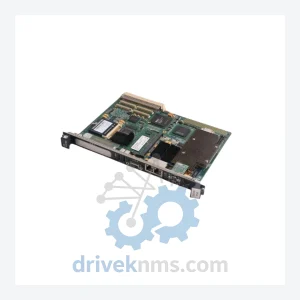
GE IC693 Series Modules IC693CBL328
GE Fanuc IC693CBL328 is listed for IC693 Series RFQ review. Confirm quantity, condition and destination before quotation.
RFQ-ready industrial model
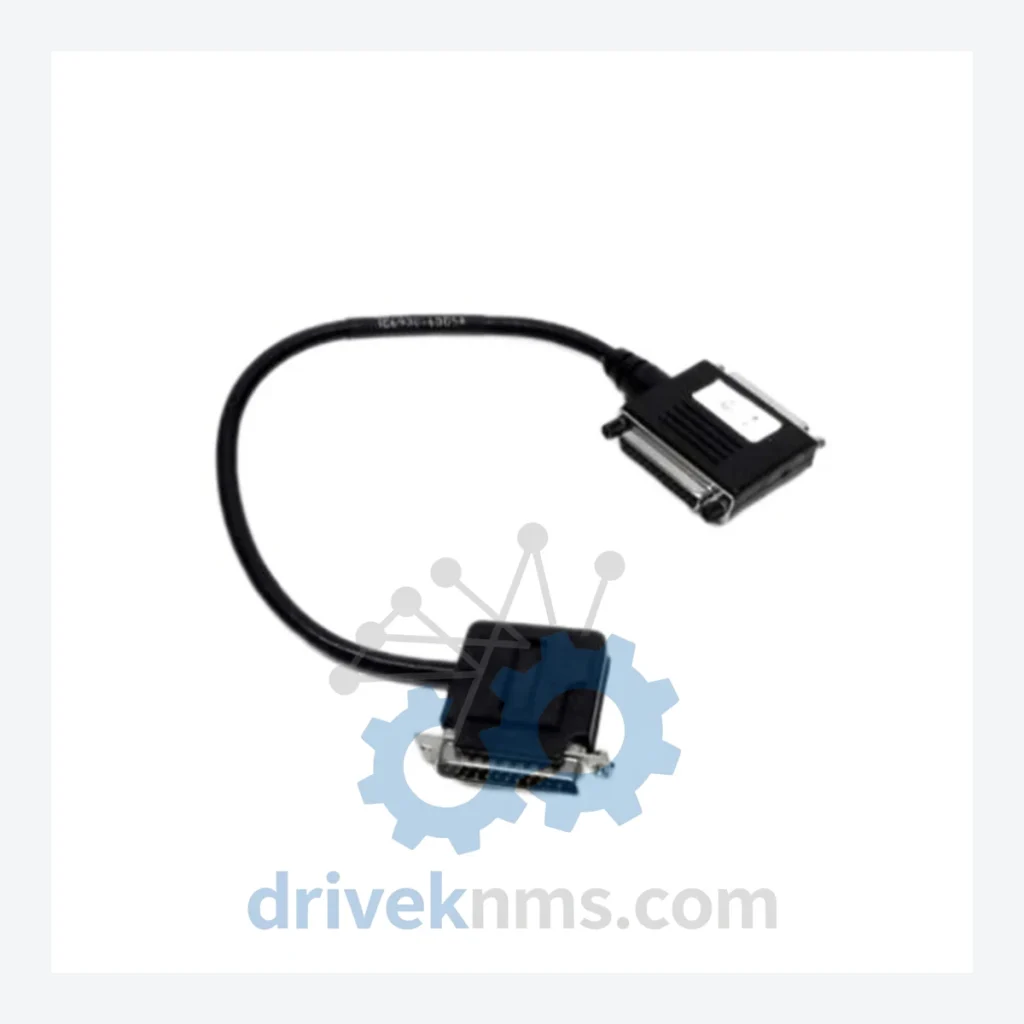
Model: IC693CBL305
Product Overview
Commercial availability is handled through direct RFQ, model verification and export-oriented follow-up rather than public cart checkout.
Datasheet Preview
Use attached product manuals when available. If the manual is not public yet, request the full file directly through RFQ.
Commercial Path
Product pages on DRIVEKNMS are designed to verify model, brand and series first, then move the buyer into one clean quotation path.
Technical Dossier
The GE IC693 series — commercially designated as the Series 90-30 Programmable Logic Controller — is one of the most widely deployed mid-range PLC platforms in global heavy industry. Installed across petrochemical refineries, nuclear power auxiliary systems, offshore platforms, pulp and paper mills, and automotive body-in-white lines, the IC693 rack-based architecture established a benchmark for modular, scalable control in the 1990s and 2000s. Its 5-slot, 10-slot, and expansion rack configurations support mixed I/O densities from a single chassis, making it a preferred platform for distributed control architectures where panel space and wiring cost are primary constraints. GE Fanuc Automation (later GE Intelligent Platforms, now part of Emerson) produced the IC693 line under continuous revision from the early 1990s through the 2010s, with the platform now classified as mature/end-of-active-production. Field populations remain substantial, and lifecycle extension support — not replacement — is the dominant procurement driver for this series.
The IC693 platform was introduced as the successor to GE's Series Six and Series Five PLC lines, adopting a VME-inspired backplane bus with proprietary GE Fanuc protocol. Early revisions (pre-1995) used the IC693CPU311 and IC693CPU313 processors with limited memory and no Ethernet-native capability. The mid-generation refresh introduced the IC693CPU364 and IC693CPU374, adding embedded Ethernet TCP/IP ports and expanded program memory (240KB to 512KB). The final production generation — IC693CPU374 and IC693CPU375 — supported 512KB user memory, floating-point math, and high-speed counter integration.
Backplane compatibility is a critical constraint: IC693 5-slot (IC693CHS391) and 10-slot (IC693CHS392) bases are not interchangeable with IC694 (Series 90-30 Enhanced) bases without adapter hardware. I/O modules are largely cross-compatible between IC693 and IC694 racks, but CPU modules are chassis-generation specific. Expansion racks connect via the IC693CBL305 and IC693CBL302 port expansion cables, which carry the backplane bus signal between the main rack and up to 7 expansion racks. Loss or damage to these cables is a common field failure mode, making the IC693CBL305 one of the highest-demand spare parts in the IC693 ecosystem.
Communication evolution within the IC693 series progressed from RS-485 SNP/SNPX serial (IC693CMM301) through Genius Bus (IC693BEM331) to Profibus-DP (IC693PBM200) and ultimately Ethernet Global Data (EGD) via embedded CPU ports. Legacy installations using Genius I/O drops remain operational in many process plants, requiring continued availability of IC693BEM331 and associated Genius Bus Interface Units.
CPU Modules
Digital Input Modules
Digital Output Modules
Analog Modules
Communication & Network Modules
Power Supply Modules
Expansion & Cable Accessories
GE Intelligent Platforms formally transitioned the IC693 series to end-of-active-production status, with Emerson (post-acquisition) providing limited new-manufacture availability on select CPU and power supply variants only. The majority of I/O modules, communication modules, and cable accessories — including the IC693CBL305 — are sourced exclusively through the secondary market.
IC693 modules present specific test challenges due to their proprietary backplane bus protocol and mixed-voltage I/O architecture. DriveKNMS applies the following verification procedures to all IC693 inventory:
Continue The Model Path
Move from this exact model into the matching system hub, brand archive, model-family archive or lifecycle sourcing route before sending a final RFQ list.
Related Paths
GE Fanuc IC693CBL328 is listed for IC693 Series RFQ review. Confirm quantity, condition and destination before quotation.

General Electric IC693DSM314 is listed for IC693 Series RFQ review. Confirm quantity, condition and destination before quotation.
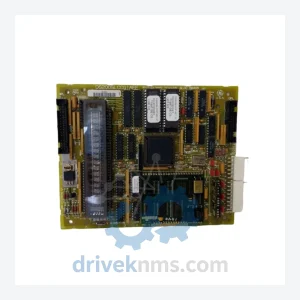
General Electric DS215SLCCG1AZZ01B DS200SLCCG1AEG is listed for Controller Cards RFQ review. Confirm quantity, condition and destination before quotation.