
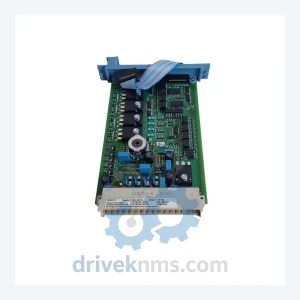
Honeywell FSC Modules 10102/2/1 10006/2/1 10106/2/1 – Diagnostic & Battery Module
Honeywell 10102/2/1 10006/2/1 10106/2/1 is listed for FSC RFQ review. Confirm quantity, condition and destination before quotation.
RFQ-ready industrial model
Model: 16159/1/1
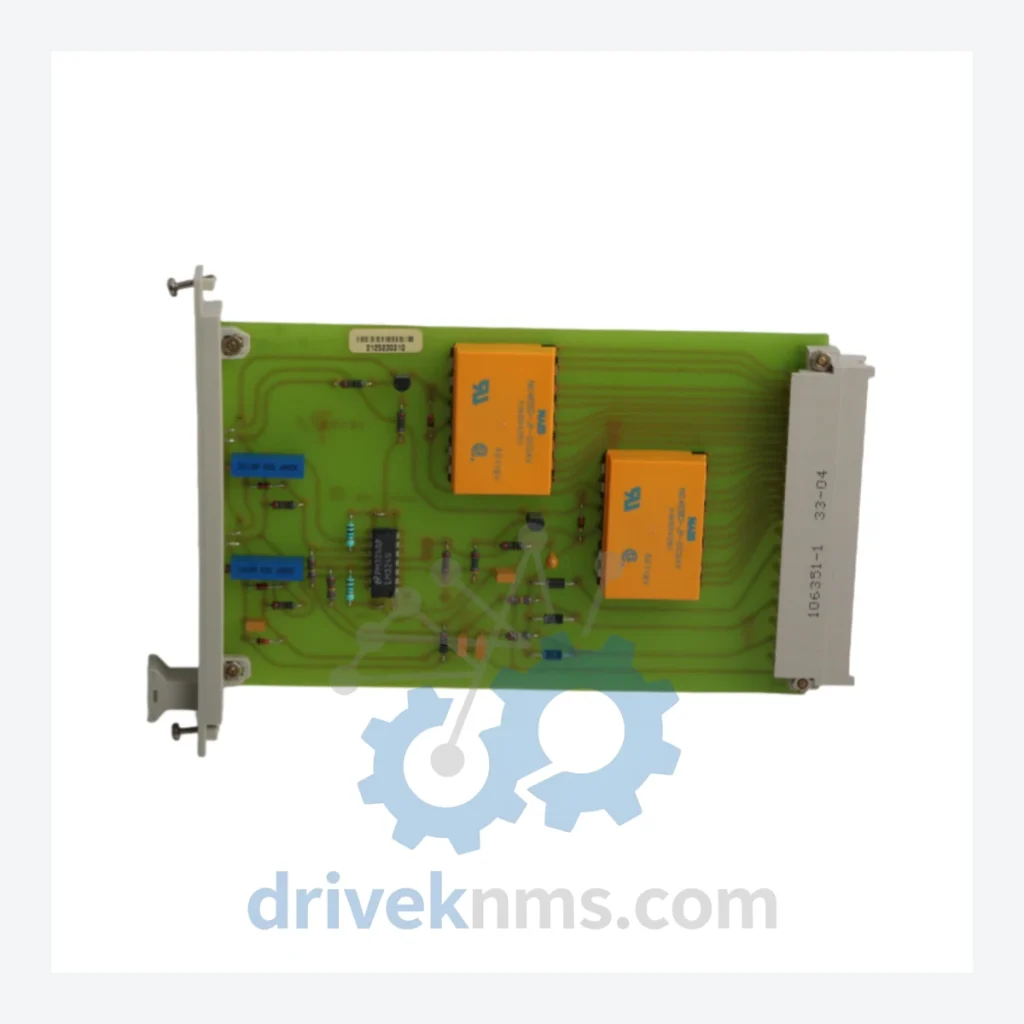
Product Overview
Commercial availability is handled through direct RFQ, model verification and export-oriented follow-up rather than public cart checkout.
Datasheet Preview
Use attached product manuals when available. If the manual is not public yet, request the full file directly through RFQ.
Commercial Path
Product pages on DRIVEKNMS are designed to verify model, brand and series first, then move the buyer into one clean quotation path.
Technical Dossier
When a Digital Input Module fails inside a Honeywell FSC (Fail Safe Controller) safety system, the consequences extend far beyond a single card replacement. The FSC platform — deployed across oil & gas, petrochemical, and power generation facilities worldwide — is deeply integrated into Emergency Shutdown (ESD) and Fire & Gas (F&G) logic. A single unresolved I/O failure can force a full process shutdown, triggering regulatory review, production loss, and in many cases, a capital project to migrate the entire safety layer to a modern platform. Conservative estimates place such migration projects at $500,000 to several million USD, depending on system scale and site complexity. The Honeywell 16159/1/1 is no longer in active production. DriveKNMS maintains RFQ-reviewed sourcing status of this module, sourced through controlled industrial channels, to give your maintenance team a direct path to restoring system integrity without triggering that cost cascade.
RFQ support for obsolete parts: Send the model number, required quantity and destination so DriveKNMS can confirm sourcing options before quotation.
| Parameter | Detail |
|---|---|
| Part Number | 16159/1/1 |
| Manufacturer | Honeywell |
| Series | FSC (Fail Safe Controller) |
| Module Type | Digital Input Module |
| Production Status | Discontinued / Obsolete |
| Compatible Systems | Honeywell FSC Safety Manager, TDC 3000 (selected configurations) |
| Country of Origin | United States |
| Condition Available | New surplus / Professionally refurbished |
Q: How are RFQ terms confirmed?
A: Quantity, required condition, documentation needs, destination and sourcing route are confirmed during RFQ review before quotation.
The Honeywell FSC platform was the backbone of safety instrumented systems (SIS) across heavy industry for over two decades. Its architecture — built around certified, deterministic I/O modules like the 16159/1/1 — was designed for long service life in environments where reliability is non-negotiable. The problem is that Honeywell's end-of-life timeline for FSC hardware has outpaced the decommissioning schedules of the plants that depend on it.
Facilities running FSC-based ESD or F&G systems face a structural dilemma: the control logic, cause-and-effect matrices, and SIL certifications are tied to specific hardware. Replacing a digital input module with a non-identical substitute is not a maintenance decision — it is a re-engineering project requiring re-validation, re-certification, and in many jurisdictions, regulatory sign-off. The 16159/1/1 is not interchangeable with generic alternatives. Its continued availability as an identical replacement is the only path that preserves your existing safety case without triggering a full system requalification.
For plant managers operating under asset life extension (ALE) programs, maintaining a RFQ-reviewed sourcing status of critical FSC modules is a documented risk mitigation strategy — not a workaround. DriveKNMS exists specifically to support this strategy.
The decision to extend the operational life of a legacy safety system rather than replace it is a capital allocation decision, not a technical compromise — provided the maintenance strategy is structured correctly. The following approach has been applied successfully across FSC installations in refining, LNG, and chemical processing environments:
2. Condition-Based Replacement Scheduling: Do not wait for module failure. FSC digital input modules operating in high-cycle or high-temperature environments show measurable degradation in input response consistency before outright failure. Establish a periodic swap-and-bench-test cycle for modules in critical ESD loops.
3. Firmware Version Control: FSC modules are firmware-dependent. Before installing any replacement 16159/1/1, verify that the firmware revision matches the version currently validated in your safety application. DriveKNMS provides firmware version documentation with each unit upon request.
4. Controlled Storage for Long-Term Spares: Obsolete modules purchased for long-term storage must be held in ESD-safe, humidity-controlled environments. Electrolytic capacitor degradation is the primary failure mode for stored electronics. DriveKNMS can advise on storage protocols for multi-year spare holding.
5. Documented Maintenance Records: Every module replacement in a safety-certified system must be logged with part number, serial number, firmware version, and installation date. This documentation is required for SIL maintenance audits and insurance compliance in most jurisdictions.
A structured spare parts program for FSC hardware typically costs 2–5% of the capital expenditure required for a full system migration. For a mid-scale ESD system, that difference is measured in millions of dollars.
DriveKNMS applies a 5-step quality process to all refurbished FSC modules before dispatch review:
Continue The Model Path
Move from this exact model into the matching system hub, brand archive, model-family archive or lifecycle sourcing route before sending a final RFQ list.
Related Paths
Honeywell 10102/2/1 10006/2/1 10106/2/1 is listed for FSC RFQ review. Confirm quantity, condition and destination before quotation.
Honeywell SPCL000000003590 is listed for FSC RFQ review. Confirm quantity, condition and destination before quotation.
Honeywell T775E1056 is listed for T775 Series RFQ review. Confirm quantity, condition and destination before quotation.