
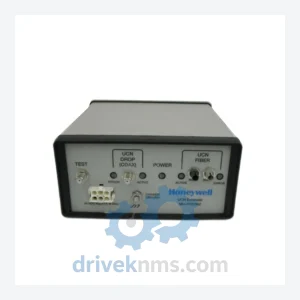
Honeywell TDC 3000 UCN Modules MU-FOED02 51197564-200 UCN Extender Fiber Optic Signal
Honeywell MU-FOED02 51197564-200 is listed for DCS Cards RFQ review. Confirm quantity, condition and destination before quotation.
RFQ-ready industrial model
Model: 51199947-275
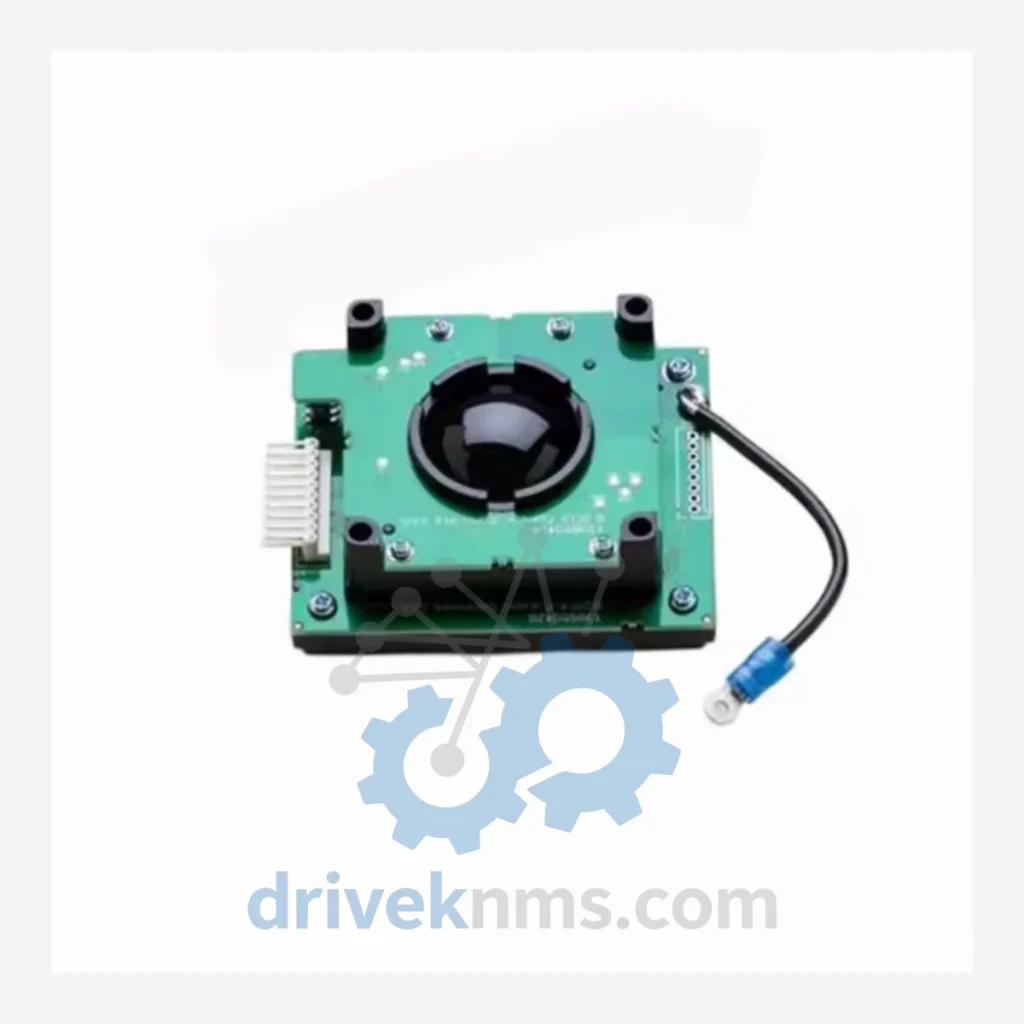
Product Overview
Commercial availability is handled through direct RFQ, model verification and export-oriented follow-up rather than public cart checkout.
Datasheet Preview
Use attached product manuals when available. If the manual is not public yet, request the full file directly through RFQ.
Commercial Path
Product pages on DRIVEKNMS are designed to verify model, brand and series first, then move the buyer into one clean quotation path.
Technical Dossier
Q: How are RFQ terms confirmed?
A: Quantity, required condition, documentation needs, destination and sourcing route are confirmed during RFQ review before quotation.
DriveKNMS reviews sourcing status and documentation for this model during RFQ handling before quotation.
RFQ support for obsolete parts: Send the model number, required quantity and destination so DriveKNMS can confirm sourcing options before quotation.
Sourcing a replacement fan assembly from the secondary market is the lowest-cost intervention available to a plant manager facing this scenario. The alternative — a forced migration to a modern DCS platform — requires not only hardware procurement but full Factory Acceptance Testing (FAT), Site Acceptance Testing (SAT), loop checking, operator retraining, and a planned shutdown window. No responsible plant manager initiates that process because a fan failed.
For facilities operating legacy Honeywell TDC 3000 or TPS systems under retirement pressure, the following maintenance posture has been validated across multiple industrial sites to defer system replacement by a measurable margin:
3. Capacitor Replacement Programs. Electrolytic capacitors in legacy DCS power supplies and I/O cards have a finite service life, typically 10–15 years under rated conditions. A proactive capacitor replacement program on high-value modules — performed during planned turnarounds — can extend module service life by 5–8 years at a fraction of the replacement module cost.
4. Firmware Version Control. Do not update firmware on legacy DCS components without a validated rollback plan. Many TDC 3000 subsystems operate on firmware versions that are no longer available for re-download. Maintain a local archive of all current firmware images before any maintenance intervention.
These five measures, applied consistently, represent a maintenance investment that is typically recoverable within the first avoided unplanned outage event.
Every Honeywell 51199947-275 unit shipped by DriveKNMS passes a structured 5-step quality process before dispatch:
Step 2 – Electrolytic Capacitor Assessment. Fan motor driver circuits and associated PCBs are inspected for capacitor bulging, electrolyte leakage, and ESR deviation. Aged capacitors are replaced with specification-equivalent components before the unit is cleared.
Step 3 – Firmware and Label Version Verification. Part number and revision markings are cross-referenced against Honeywell documentation to confirm the unit matches the 51199947-275 specification. No substitutions or cross-references are shipped without explicit customer approval.
Step 4 – Pin and Connector Integrity Check. All electrical connectors are inspected for oxidation, bent pins, and contact resistance. Affected contacts are cleaned or replaced as required.
Step 5 – Functional Run Test. Where test equipment permits, fan assemblies are powered and run-tested to confirm rated airflow and motor current draw within specification.
Units that do not pass all five steps are not offered for sale.
Q: Can DriveKNMS source other Honeywell TDC 3000 / TPS components?
A: Yes. DriveKNMS specializes in obsolete and hard-to-find industrial automation components across multiple platforms. Submit your full BOM or parts list to our team for a consolidated sourcing assessment.
Continue The Model Path
Move from this exact model into the matching system hub, brand archive, model-family archive or lifecycle sourcing route before sending a final RFQ list.
Related Paths
Honeywell MU-FOED02 51197564-200 is listed for DCS Cards RFQ review. Confirm quantity, condition and destination before quotation.
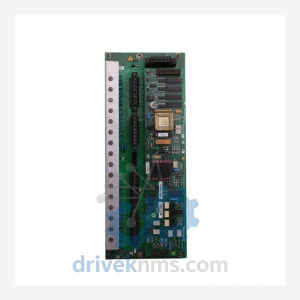
Honeywell MC-TAMT03 51309223-175 is listed for DCS Cards RFQ review. Confirm quantity, condition and destination before quotation.
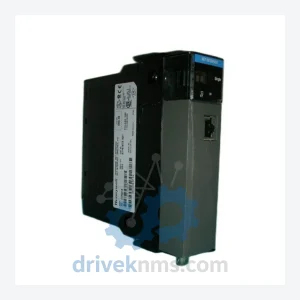
Honeywell TC-CCN013 is listed for DCS Cards RFQ review. Confirm quantity, condition and destination before quotation.