
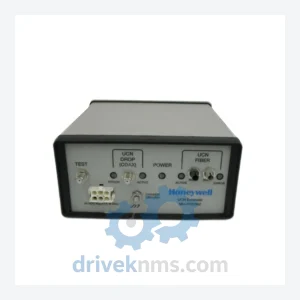
Honeywell TDC 3000 UCN Modules MU-FOED02 51197564-200 UCN Extender Fiber Optic Signal
Honeywell MU-FOED02 51197564-200 is listed for DCS Cards RFQ review. Confirm quantity, condition and destination before quotation.
RFQ-ready industrial model
Model: 51308111-002
Product Overview
Commercial availability is handled through direct RFQ, model verification and export-oriented follow-up rather than public cart checkout.
Datasheet Preview
Use attached product manuals when available. If the manual is not public yet, request the full file directly through RFQ.
Commercial Path
Product pages on DRIVEKNMS are designed to verify model, brand and series first, then move the buyer into one clean quotation path.
Technical Dossier
The Honeywell TDC 3000 (Total Distributed Control) platform is one of the most widely deployed Distributed Control Systems (DCS) in global heavy industry. Installed across petrochemical complexes, nuclear power stations, crude oil refineries, pulp and paper mills, and large-scale chemical processing facilities, the TDC 3000 architecture established the foundational model for modern process automation. Its Local Control Network (LCN) backbone — a deterministic, token-passing coaxial bus — enabled high-speed, fault-tolerant communication between controllers, operator stations, and I/O subsystems at a time when fieldbus standards did not yet exist. Decades after its introduction, TDC 3000 hardware remains operational in critical infrastructure worldwide, making reliable access to genuine spare parts — including cables, connectors, and network interface modules — a non-negotiable operational requirement.
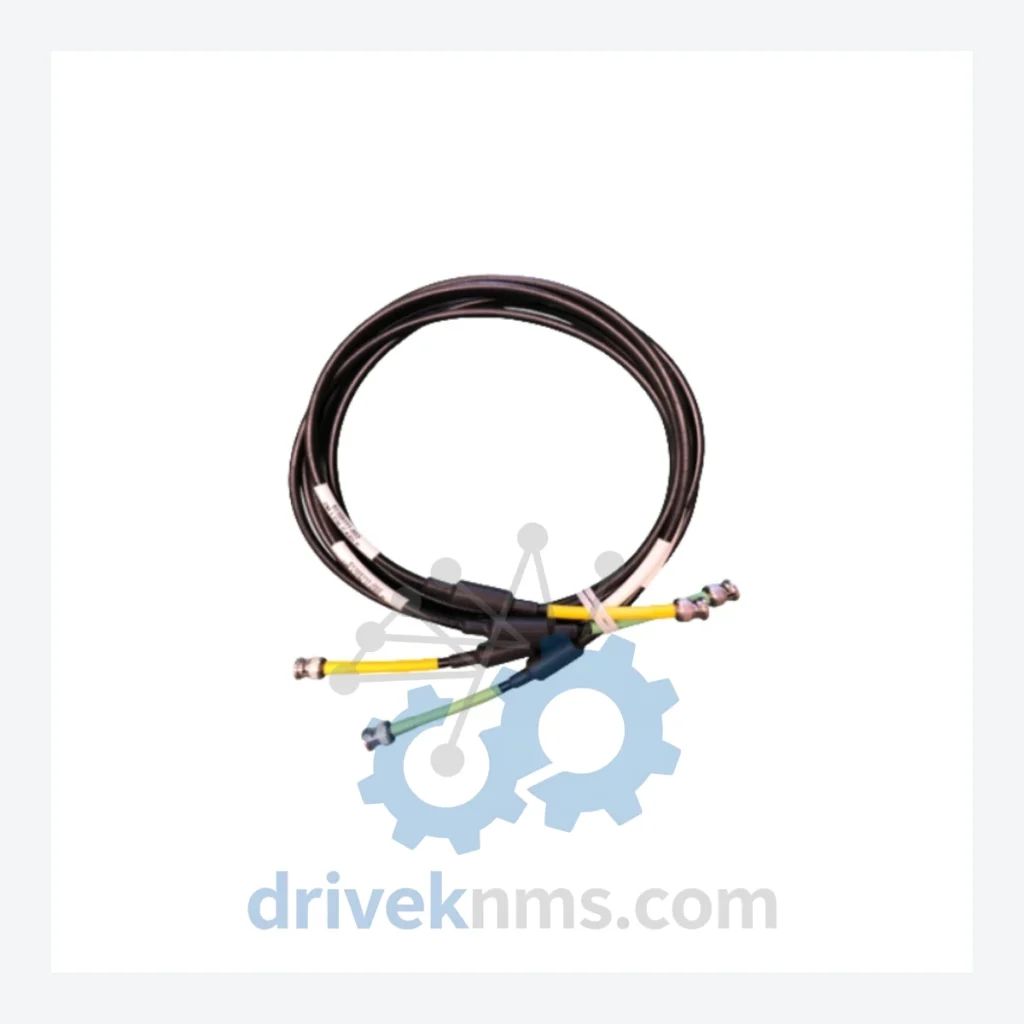
The TDC 3000 system was introduced by Honeywell in the early 1980s as a successor to the TDC 2000. Its core innovation was the Local Control Network (LCN), a 5 Mbps coaxial token-bus network that interconnected all major system nodes — including the Universal Control Network (UCN), the Data Hiway, and operator consoles — into a unified supervisory fabric. The 51308111-002 LCN Coax Cable is a factory-specified interconnect component for this network, providing the physical medium for LCN segment construction and extension.
Over successive hardware generations, Honeywell introduced the Network Interface Module (NIM), the Application Module (AM), the History Module (HM), and the Universal Station (US) — all dependent on the integrity of the LCN coaxial infrastructure. By the mid-1990s, Honeywell began transitioning customers toward the Experion PKS platform, but the installed base of TDC 3000 systems remained substantial. Many facilities operate hybrid environments where TDC 3000 LCN nodes coexist with Experion C200/C300 controllers via gateway bridges. Compatibility between legacy LCN cabling standards and modern termination hardware is a persistent engineering challenge in these environments.
The following SKUs represent verified components within the Honeywell TDC 3000 and LCN ecosystem, organized by functional category:
Network & Connectivity
Network Interface Modules (NIM)
Application & Control Modules
History & Data Modules
Power Supply
Honeywell formally discontinued active manufacturing support for the TDC 3000 hardware line. The platform is classified as end-of-life (EOL), with Honeywell's lifecycle policy directing customers toward Experion PKS migration. However, the operational reality at many facilities — particularly in the refining, nuclear, and chemical sectors — is that full DCS migration is a multi-year capital project. In the interim, facilities require a reliable supply of genuine TDC 3000 spare parts to maintain system availability and regulatory compliance.
TDC 3000 LCN components present specific quality verification requirements due to the deterministic nature of the token-bus network. A single defective tap, terminator, or drop cable can introduce impedance discontinuities that degrade network timing margins and cause intermittent node dropouts — a failure mode that is difficult to diagnose under live process conditions.
DriveKNMS applies the following verification procedures to all TDC 3000 / LCN inventory prior to dispatch: coaxial cable assemblies are tested for characteristic impedance (75 Ω ±2%), insertion loss, and connector continuity using a calibrated TDR (Time Domain Reflectometer). NIM and AM modules undergo powered functional verification on a dedicated TDC 3000 test bench, confirming LCN token acquisition, UCN gateway handshake, and diagnostic self-test completion. Power supply modules are load-tested across the full rated output range with ripple and regulation measurements recorded. All tested units are issued a DriveKNMS inspection record with test date, technician ID, and measured parameters.
Continue The Model Path
Move from this exact model into the matching system hub, brand archive, model-family archive or lifecycle sourcing route before sending a final RFQ list.
Related Paths
Honeywell MU-FOED02 51197564-200 is listed for DCS Cards RFQ review. Confirm quantity, condition and destination before quotation.
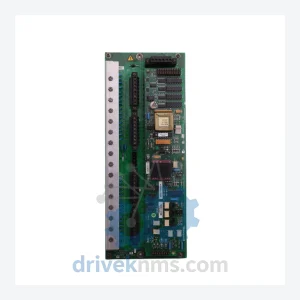
Honeywell MC-TAMT03 51309223-175 is listed for DCS Cards RFQ review. Confirm quantity, condition and destination before quotation.
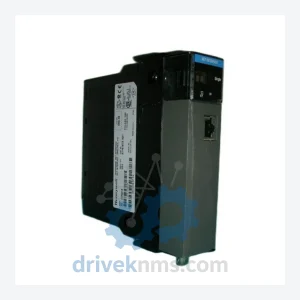
Honeywell TC-CCN013 is listed for DCS Cards RFQ review. Confirm quantity, condition and destination before quotation.