
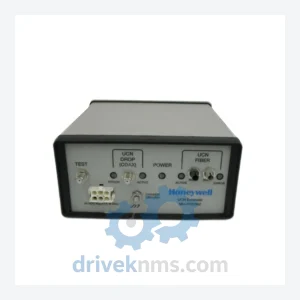
Honeywell TDC 3000 UCN Modules MU-FOED02 51197564-200 UCN Extender Fiber Optic Signal
Honeywell MU-FOED02 51197564-200 is listed for DCS Cards RFQ review. Confirm quantity, condition and destination before quotation.
RFQ-ready industrial model
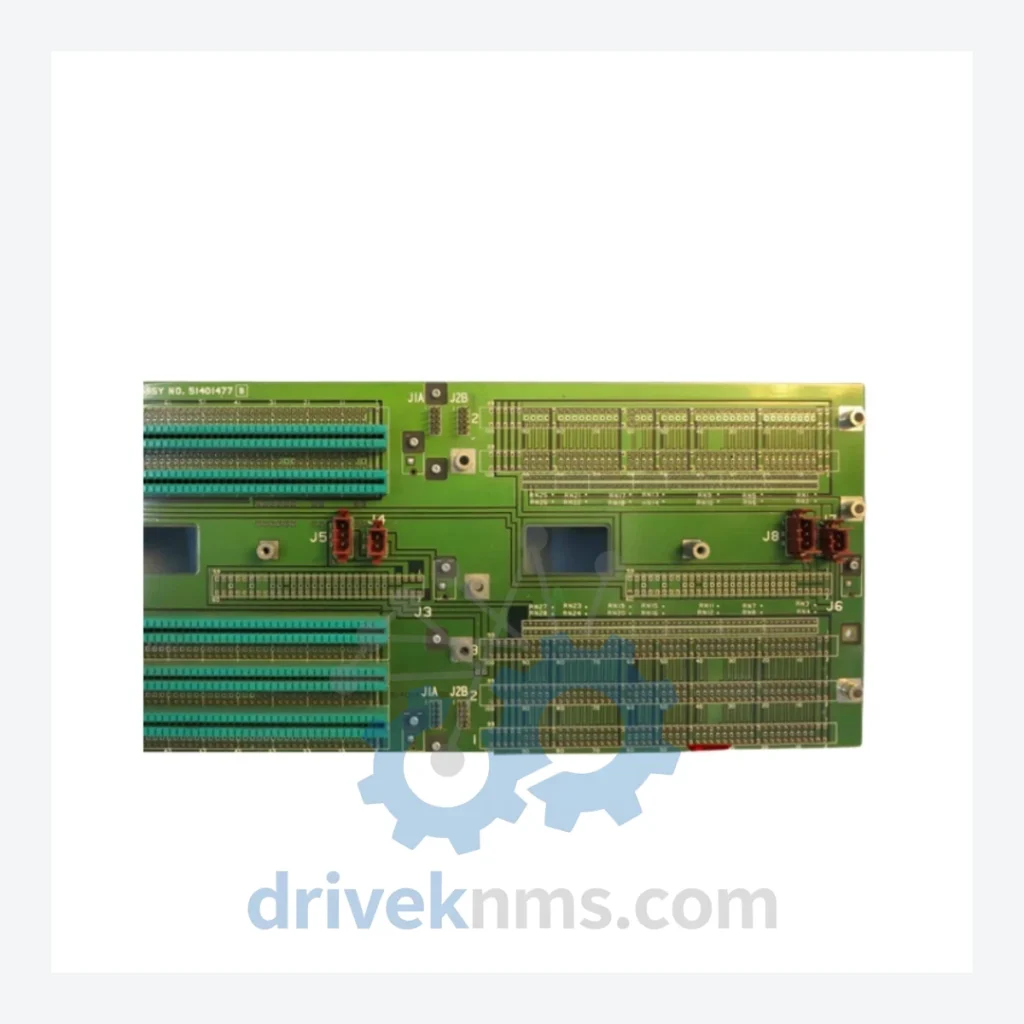
Model: 51401477-100 51402455-100 MP-DNCF02-201
Product Overview
Commercial availability is handled through direct RFQ, model verification and export-oriented follow-up rather than public cart checkout.
Datasheet Preview
Use attached product manuals when available. If the manual is not public yet, request the full file directly through RFQ.
Commercial Path
Product pages on DRIVEKNMS are designed to verify model, brand and series first, then move the buyer into one clean quotation path.
Technical Dossier
The Honeywell TDC 3000 (Total Distributed Control) and its successor platform TotalPlant Solution (TPS) represent one of the most widely deployed Distributed Control System (DCS) architectures in global heavy industry. Installed across petrochemical complexes, oil refineries, nuclear power stations, pulp and paper mills, and large-scale chemical processing facilities, the TDC 3000 / TPS platform has maintained a dominant installed base since its commercial introduction in the late 1970s. The modular backplane architecture — of which the MP-DNCF02-201 Chassis Assembly (P/N 51401477-100 / 51402455-100) is a core structural component — allows operators to configure control nodes with precise I/O density and communication topology. Facilities running this platform typically operate on multi-decade maintenance cycles, making access to genuine spare parts and certified replacement assemblies a critical operational requirement.
The TDC 3000 platform was introduced by Honeywell in 1975 as one of the first commercially viable distributed control systems, replacing centralized analog panel boards with a networked node architecture. The original Local Control Network (LCN) used a coaxial token-passing bus operating at 5 Mbps. Through successive generations — TDC 3000X, UCN (Universal Control Network), and ultimately TPS — the backplane and chassis form factors evolved while maintaining backward compatibility at the module slot level for many card types.
The MP-DNCF02-201 chassis assembly belongs to the Multi-Purpose (MP) node family, designed to house Data Node Controller (DNC) function modules. The dual part number structure (51401477-100 as the assembly reference and 51402455-100 as the sub-assembly or revision reference) is characteristic of Honeywell's engineering change order (ECO) documentation practice. Chassis assemblies in this family provide the mechanical frame, backplane bus connectors, card guides, and power distribution rails for the installed function modules. Compatibility spans TDC 3000 LCN nodes and TPS-era MP nodes, though bus termination and power supply specifications must be verified against the specific node generation prior to installation.
As of 2026, the TDC 3000 / TPS platform is classified by Honeywell as a mature/legacy system. Honeywell's Lifecycle Management program offers limited extended support contracts, but new production of many chassis and module assemblies has been discontinued. Third-party MRO suppliers and certified refurbishers represent the primary sourcing channel for unplanned replacements.
Chassis & Backplane Assemblies
CPU & Controller Modules
AI (Analog Input) Modules
DI (Digital Input) Modules
AO / DO (Analog & Digital Output) Modules
Communication & Network Adapters
Power Supply Modules
Chassis assemblies and backplane modules for the TDC 3000 / TPS platform undergo a multi-stage inspection protocol at DriveKNMS prior to dispatch. Visual inspection covers backplane connector pin integrity, card guide alignment, power rail continuity, and mechanical frame straightness. Electrical testing includes backplane bus impedance measurement, power distribution rail voltage verification under load, and slot-by-slot connector resistance mapping.
Q: How is condition confirmed before quotation?
A: Available condition, photos, test records and documentation are checked according to the requested model and sourcing channel before a formal RFQ response.
Continue The Model Path
Move from this exact model into the matching system hub, brand archive, model-family archive or lifecycle sourcing route before sending a final RFQ list.
Related Paths
Honeywell MU-FOED02 51197564-200 is listed for DCS Cards RFQ review. Confirm quantity, condition and destination before quotation.
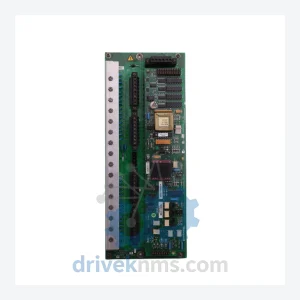
Honeywell MC-TAMT03 51309223-175 is listed for DCS Cards RFQ review. Confirm quantity, condition and destination before quotation.
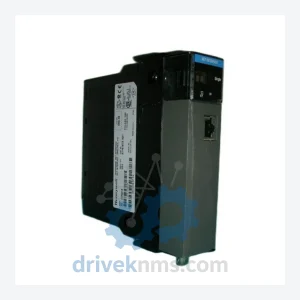
Honeywell TC-CCN013 is listed for DCS Cards RFQ review. Confirm quantity, condition and destination before quotation.