
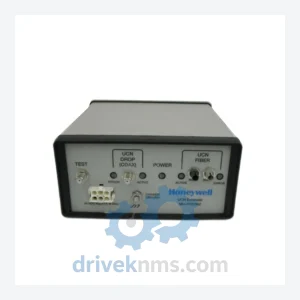
Honeywell TDC 3000 UCN Modules MU-FOED02 51197564-200 UCN Extender Fiber Optic Signal
Honeywell MU-FOED02 51197564-200 is listed for DCS Cards RFQ review. Confirm quantity, condition and destination before quotation.
RFQ-ready industrial model
Model: 51403519-160 K4LCN-16
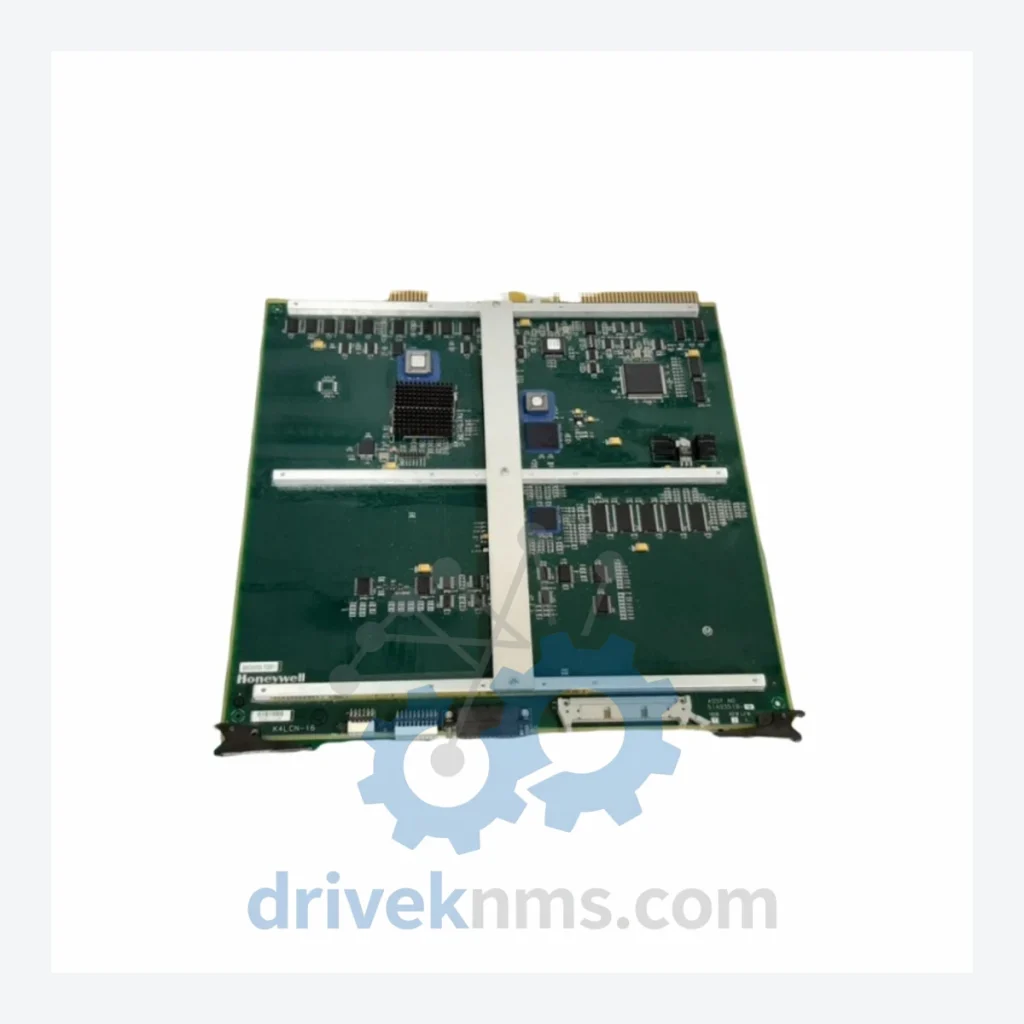
Product Overview
Commercial availability is handled through direct RFQ, model verification and export-oriented follow-up rather than public cart checkout.
Datasheet Preview
Use attached product manuals when available. If the manual is not public yet, request the full file directly through RFQ.
Commercial Path
Product pages on DRIVEKNMS are designed to verify model, brand and series first, then move the buyer into one clean quotation path.
Technical Dossier
The Honeywell TDC 3000 (Total Distributed Control) platform, built around the Local Control Network (LCN) architecture, is one of the most widely deployed Distributed Control Systems in global heavy industry. Installations span petrochemical complexes, crude oil refineries, nuclear power generation facilities, pulp and paper mills, and large-scale chemical processing plants. The LCN backbone operates at 5 Mbit/s and supports up to 64 nodes per network segment, providing deterministic communication between controllers, operator stations, and I/O subsystems. Despite being a mature platform, TDC 3000 / LCN hardware remains in active service at thousands of sites worldwide, driven by the prohibitive cost and operational risk of full DCS migration projects. DriveKNMS maintains a dedicated inventory of LCN-series modules to support these long-lifecycle installations.
The TDC 3000 platform was introduced by Honeywell in the early 1980s as a successor to the TDC 2000 system. The original LCN used a coaxial cable bus; later revisions transitioned to a redundant coaxial topology with improved noise immunity. The K-series modules (prefixed with "K") represent the third-generation LCN hardware, replacing the earlier C-series and E-series boards with higher memory density, faster processors, and improved diagnostics. The K4LCN designation specifically identifies fourth-generation LCN node cards with expanded addressable memory. Compatibility between generations requires careful verification: K-series modules are not directly interchangeable with C-series or E-series counterparts without firmware and backplane compatibility checks. The Universal Control Network (UCN) and Plant Network (PN) layers sit above the LCN and introduce additional gateway modules (NIM, HG) that must be version-matched to the LCN node firmware. Sites running TDC 3000 R600 through R800 software releases face particular sourcing challenges as Honeywell has formally discontinued hardware support for pre-R900 configurations.
The following SKUs represent verified, commonly sourced components within the Honeywell TDC 3000 / LCN ecosystem. Each entry reflects a distinct functional role within the system architecture.
Controllers & Processor Modules
I/O Modules
Communication & Network Adapters
Power Supply Modules
LCN modules present specific test challenges due to their proprietary backplane bus protocol and node-address-dependent initialization sequences. DriveKNMS employs a dedicated LCN test bench replicating a functional TDC 3000 cabinet environment, including a live LCN segment with active NIM and HG nodes. Each processor module (K4LCN, KCPU, KPMC) undergoes full node initialization, memory address verification, and communication handshake testing against a reference PM node. Analog I/O modules are calibrated against NIST-traceable references with full 16-channel sweep verification. Digital I/O modules are tested for channel isolation, leakage current, and response time. All modules are inspected for electrolytic capacitor condition, battery backup integrity (where applicable), and EEPROM read/write functionality prior to shipment.
Continue The Model Path
Move from this exact model into the matching system hub, brand archive, model-family archive or lifecycle sourcing route before sending a final RFQ list.
Related Paths
Honeywell MU-FOED02 51197564-200 is listed for DCS Cards RFQ review. Confirm quantity, condition and destination before quotation.
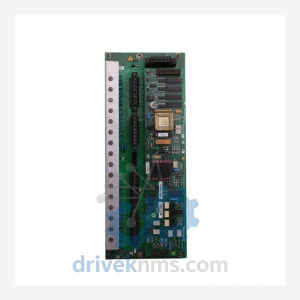
Honeywell MC-TAMT03 51309223-175 is listed for DCS Cards RFQ review. Confirm quantity, condition and destination before quotation.
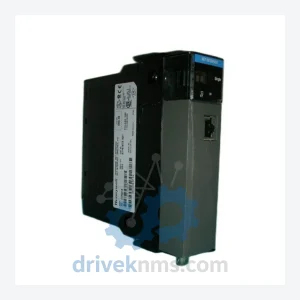
Honeywell TC-CCN013 is listed for DCS Cards RFQ review. Confirm quantity, condition and destination before quotation.