
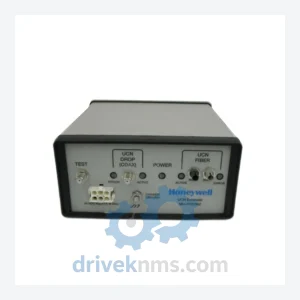
Honeywell TDC 3000 UCN Modules MU-FOED02 51197564-200 UCN Extender Fiber Optic Signal
Honeywell MU-FOED02 51197564-200 is listed for DCS Cards RFQ review. Confirm quantity, condition and destination before quotation.
RFQ-ready industrial model
Model: 900A01-0202
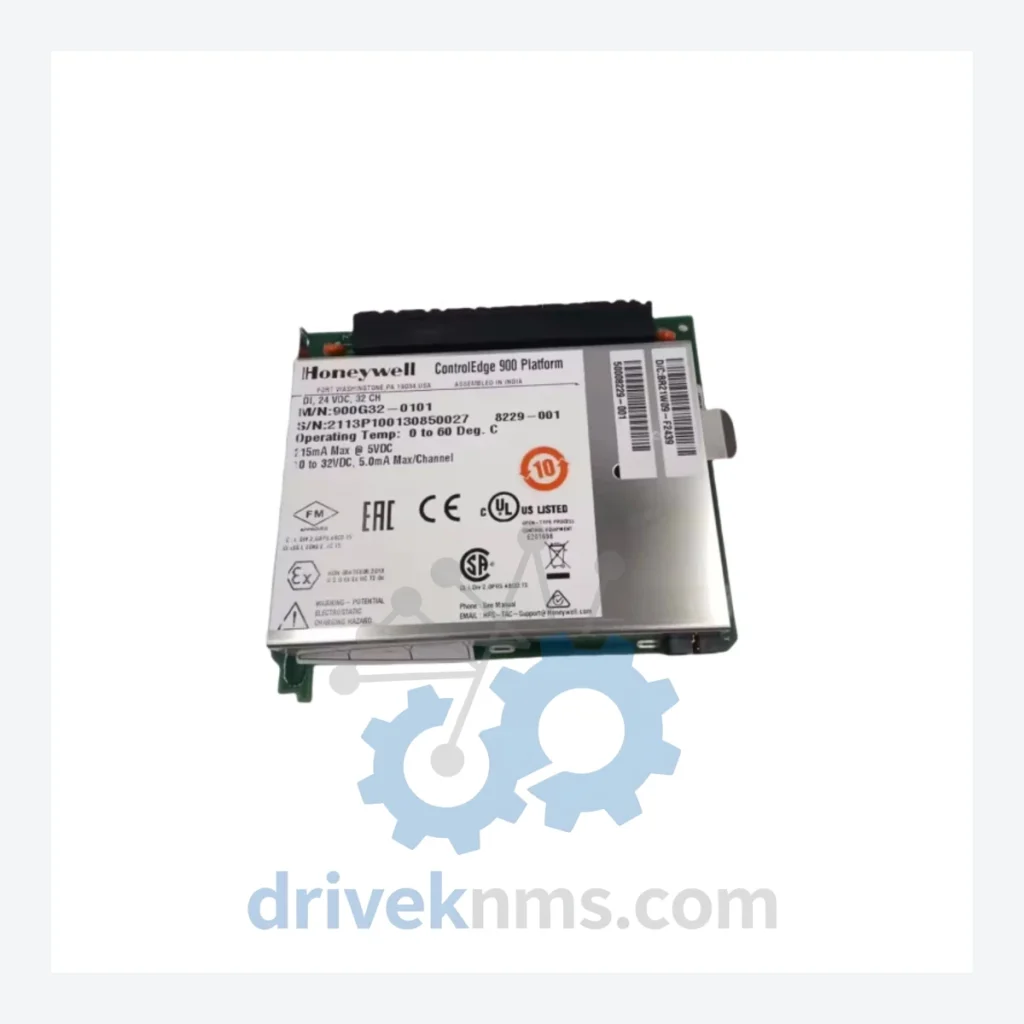
Product Overview
Commercial availability is handled through direct RFQ, model verification and export-oriented follow-up rather than public cart checkout.
Datasheet Preview
Use attached product manuals when available. If the manual is not public yet, request the full file directly through RFQ.
Commercial Path
Product pages on DRIVEKNMS are designed to verify model, brand and series first, then move the buyer into one clean quotation path.
Technical Dossier
DriveKNMS maintains verified physical inventory of the Honeywell 900A01-0202. For plant engineers and maintenance managers operating HC900-based control loops, this is a direct drop-in replacement that restores system integrity without touching your control architecture.
RFQ support for obsolete parts: Send the model number, required quantity and destination so DriveKNMS can confirm sourcing options before quotation.
| Parameter | Detail |
|---|---|
| Part Number | 900A01-0202 |
| Manufacturer | Honeywell Process Solutions |
| Series | HC900 Hybrid Controller |
| Module Type | Analog Input |
| Discontinuation Status | Discontinued / Obsolete – No longer in production |
| Compatible Controllers | Honeywell HC900 Hybrid Controller rack systems |
| Typical Application | Process variable acquisition (temperature, pressure, flow) in hybrid control loops |
| Form Factor | Plug-in I/O module for HC900 rack |
Note: Electrical parameters such as channel count, input range, and resolution are not published here to avoid inaccuracy. Confirmed specifications are provided upon request with the original datasheet reference.
The Honeywell HC900 platform was widely deployed across refining, chemical processing, pharmaceutical batch, and utility industries throughout the 2000s and 2010s. Its hybrid architecture – combining discrete logic with continuous PID control – made it a cost-effective solution for mid-scale process applications. That same architecture is now the source of a growing maintenance problem.
Honeywell has transitioned its process control portfolio toward Experion PKS and next-generation platforms. HC900 hardware, including the 900A01-0202 analog input module, is no longer manufactured. Field failures that once required a same-week parts order now require a months-long search through independent distributors and surplus channels.
The 900A01-0202 sits at the data acquisition layer of the HC900 system. It converts physical process signals into digital values that the controller uses for loop calculations and alarming. A failed module does not merely disable one input – depending on loop configuration, it can trigger cascade shutdowns, force manual operation of critical processes, or invalidate safety interlock logic. There is no software workaround. The hardware must be replaced.
Plant managers facing pressure to retire HC900 infrastructure have a financially defensible alternative: structured asset life extension. The following approach has been applied successfully in process industries to defer capital expenditure while maintaining operational reliability.
1. Conduct a module-level criticality audit. Map every I/O module in your HC900 racks against the process loops they serve. Identify which modules, if failed, would cause a production stoppage versus a minor alarm. The 900A01-0202 and similar analog input modules typically fall into the highest criticality tier.
3. Implement a scheduled module rotation program. Rather than running modules to failure, rotate spares into service on a defined cycle (typically 3–5 years). Pulled modules can be refurbished and returned to the spare pool, extending the effective life of your inventory.
4. Document firmware and configuration baselines. For HC900 systems, controller configuration files and firmware versions must be archived. When a module is replaced, the configuration must be verified against the baseline before returning the loop to automatic control.
5. Negotiate long-term supply agreements with verified distributors. Spot-buying obsolete parts in a crisis is expensive and unreliable. Establishing a supply relationship with a distributor holding sourcing status – before a failure occurs – is the lowest-cost procurement strategy available for discontinued hardware.
This approach consistently delivers 5–10 additional years of productive asset life at a fraction of the cost of a platform migration.
Sourcing obsolete industrial hardware from the open market carries real risk. DriveKNMS applies a 5-step inspection protocol to every 900A01-0202 unit before it is offered for sale.
Step 1 – Visual and mechanical inspection. Each module is examined for physical damage, connector pin condition, and housing integrity. Units with bent pins, cracked housings, or evidence of thermal stress are rejected at this stage.
Step 2 – Electrolytic capacitor assessment. Aging electrolytic capacitors are the primary failure mode in legacy I/O modules. Each unit is inspected for capacitor bulging, leakage, and ESR degradation. Modules with suspect capacitors are either recapped or removed from inventory.
Step 3 – Firmware and label verification. The firmware version and hardware revision markings are recorded and cross-referenced against known HC900 compatibility matrices. Mismatched or unverifiable firmware versions are flagged.
Step 4 – Pin and connector corrosion check. Backplane connector pins are inspected under magnification for oxidation and corrosion. Affected contacts are cleaned using approved contact restoration methods or the unit is rejected.
Step 5 – Functional verification. Where test equipment permits, modules undergo powered functional checks prior to packaging.
Q: Should I buy more than one unit?
A: For a module that is no longer manufactured, yes. The cost of a second spare unit is negligible compared to the cost of a production stoppage while sourcing a replacement under emergency conditions. For facilities with multiple HC900 racks, a minimum of two units per site is a standard recommendation.
Q: Can you source other HC900 modules?
A: Yes. DriveKNMS specializes in obsolete and hard-to-find industrial automation components. Contact us with your full bill of materials and we will advise on availability.
Continue The Model Path
Move from this exact model into the matching system hub, brand archive, model-family archive or lifecycle sourcing route before sending a final RFQ list.
Related Paths
Honeywell MU-FOED02 51197564-200 is listed for DCS Cards RFQ review. Confirm quantity, condition and destination before quotation.
Honeywell MC-TAMT03 51309223-175 is listed for DCS Cards RFQ review. Confirm quantity, condition and destination before quotation.
Honeywell TC-CCN013 is listed for DCS Cards RFQ review. Confirm quantity, condition and destination before quotation.