
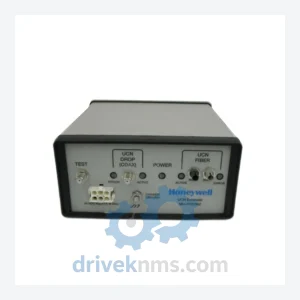
Honeywell TDC 3000 UCN Modules MU-FOED02 51197564-200 UCN Extender Fiber Optic Signal
Honeywell MU-FOED02 51197564-200 is listed for DCS Cards RFQ review. Confirm quantity, condition and destination before quotation.
RFQ-ready industrial model
Model: DC-PDIS51
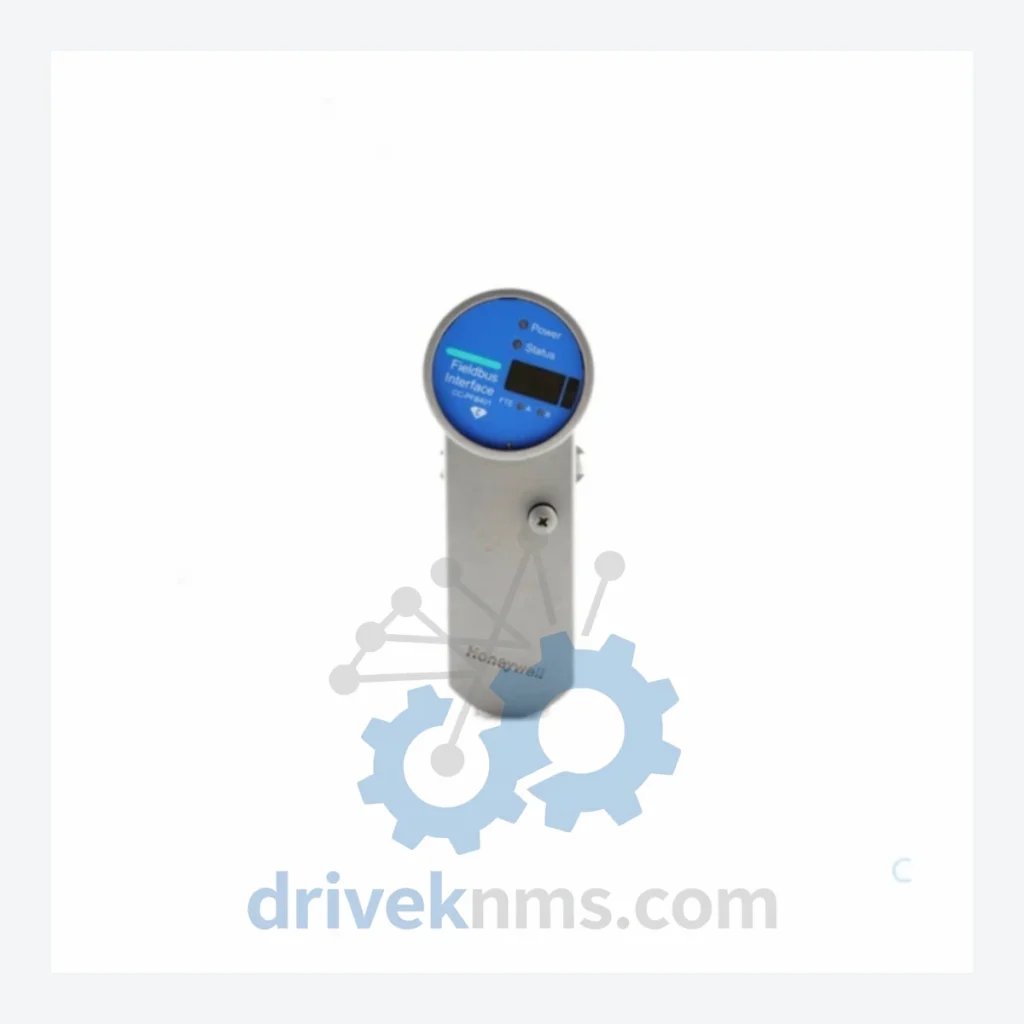
Product Overview
Commercial availability is handled through direct RFQ, model verification and export-oriented follow-up rather than public cart checkout.
Datasheet Preview
Use attached product manuals when available. If the manual is not public yet, request the full file directly through RFQ.
Commercial Path
Product pages on DRIVEKNMS are designed to verify model, brand and series first, then move the buyer into one clean quotation path.
Technical Dossier
RFQ support for obsolete parts: Send the model number, required quantity and destination so DriveKNMS can confirm sourcing options before quotation.
| Parameter | Detail |
|---|---|
| Part Number | DC-PDIS51 |
| Manufacturer | Honeywell |
| Series | TDC 3000 / PlantScape |
| Module Function | Digital Input – Sequence of Events (SOE) |
| Input Type | Discrete digital input with SOE timestamping |
| Discontinuation Status | Obsolete – No longer manufactured or supported by Honeywell |
| Compatible Systems | Honeywell TDC 3000, Honeywell PlantScape |
| Country of Origin | United States |
Note: Electrical parameters not independently verified. Specifications are based on known TDC 3000 platform architecture. No parameters have been assumed or fabricated.
Plant managers operating legacy DCS platforms face a recurring argument from engineering consultants and OEM sales teams: the system is old, support is gone, and migration is inevitable. That argument is not wrong — but the timeline is negotiable, and the cost of waiting for the right migration window is far lower than the cost of a forced cutover. The following strategy has been applied successfully across TDC 3000 and similar legacy platforms to extend productive asset life by a measured 5–10 years:
3. Negotiate a planned migration timeline. With critical spares secured, your engineering team can schedule a DCS migration during a planned turnaround rather than reacting to a hardware failure. This alone can reduce migration project costs by 30–40% compared to emergency execution.
4. Document firmware and configuration baselines. For SOE modules, configuration data is tied to the specific firmware revision loaded on the card. Maintain a documented baseline so that any replacement unit can be validated against the known-good configuration without guesswork.
5. Source from verified secondary-market suppliers. Not all surplus hardware is equal. Modules that have been stored improperly, subjected to electrostatic discharge, or had firmware altered present a reliability risk. Verify supplier QA processes before committing to a purchase.
Every DC-PDIS51 unit supplied by DriveKNMS passes a structured 5-step inspection protocol before dispatch review:
Step 1 – Electrolytic Capacitor Assessment: Boards are visually inspected and tested for capacitor bulging, leakage, and ESR degradation. Capacitor failure is the primary age-related failure mode in TDC 3000 I/O hardware.
Step 2 – Firmware Version Verification: The firmware revision is read and documented. Customers are informed of the exact revision prior to shipment so compatibility with their system revision can be confirmed.
Step 3 – Pin and Connector Inspection: All edge connectors and backplane pins are inspected under magnification for oxidation, corrosion, and mechanical deformation. Corroded pins are the second most common cause of intermittent faults in legacy I/O modules.
Step 4 – Functional Bench Test: Where test equipment permits, modules are powered and basic I/O channel response is verified.
Step 5 – Packaging for Long-Term Storage: Units are packaged in anti-static bags with desiccant and sealed for protection during transit and shelf storage.
The DC-PDIS51 is a direct hardware replacement for the same part number within the TDC 3000 I/O subsystem. No firmware re-flashing is required for standard replacement. No changes to the LCN node configuration are required. No engineering rework of the control strategy is triggered by a module swap. This is a drop-in replacement in the truest sense — the system recognizes the module by slot address and hardware type, not by a serial number or license key. For maintenance teams operating under tight turnaround windows, this means a module replacement can be executed and verified within a planned maintenance shift, avoiding the extended outage that a configuration-level change would require.
Q: Should I buy more than one unit?
A: For any TDC 3000 installation where the DC-PDIS51 is in active service, holding a minimum of one spare unit is strongly recommended. For multi-train or multi-unit facilities, a ratio of one spare per two active modules is a reasonable starting point. Given that secondary-market availability of this part is finite and declining, procurement decisions made today will not be available at the same cost — or at all — in 12–24 months.
Continue The Model Path
Move from this exact model into the matching system hub, brand archive, model-family archive or lifecycle sourcing route before sending a final RFQ list.
Related Paths
Honeywell MU-FOED02 51197564-200 is listed for DCS Cards RFQ review. Confirm quantity, condition and destination before quotation.
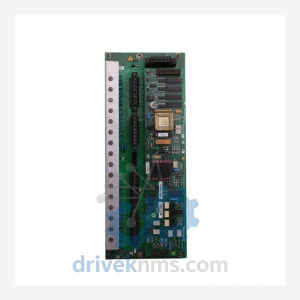
Honeywell MC-TAMT03 51309223-175 is listed for DCS Cards RFQ review. Confirm quantity, condition and destination before quotation.
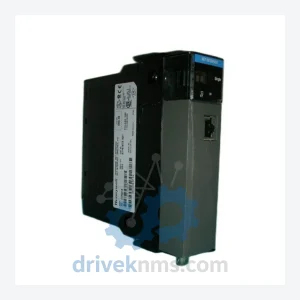
Honeywell TC-CCN013 is listed for DCS Cards RFQ review. Confirm quantity, condition and destination before quotation.