
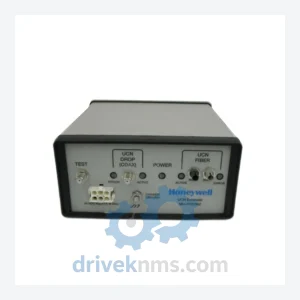
Honeywell TDC 3000 UCN Modules MU-FOED02 51197564-200 UCN Extender Fiber Optic Signal
Honeywell MU-FOED02 51197564-200 is listed for DCS Cards RFQ review. Confirm quantity, condition and destination before quotation.
RFQ-ready industrial model
Model: FC-RUSIO-3224 FC-PSU-UNI2450U
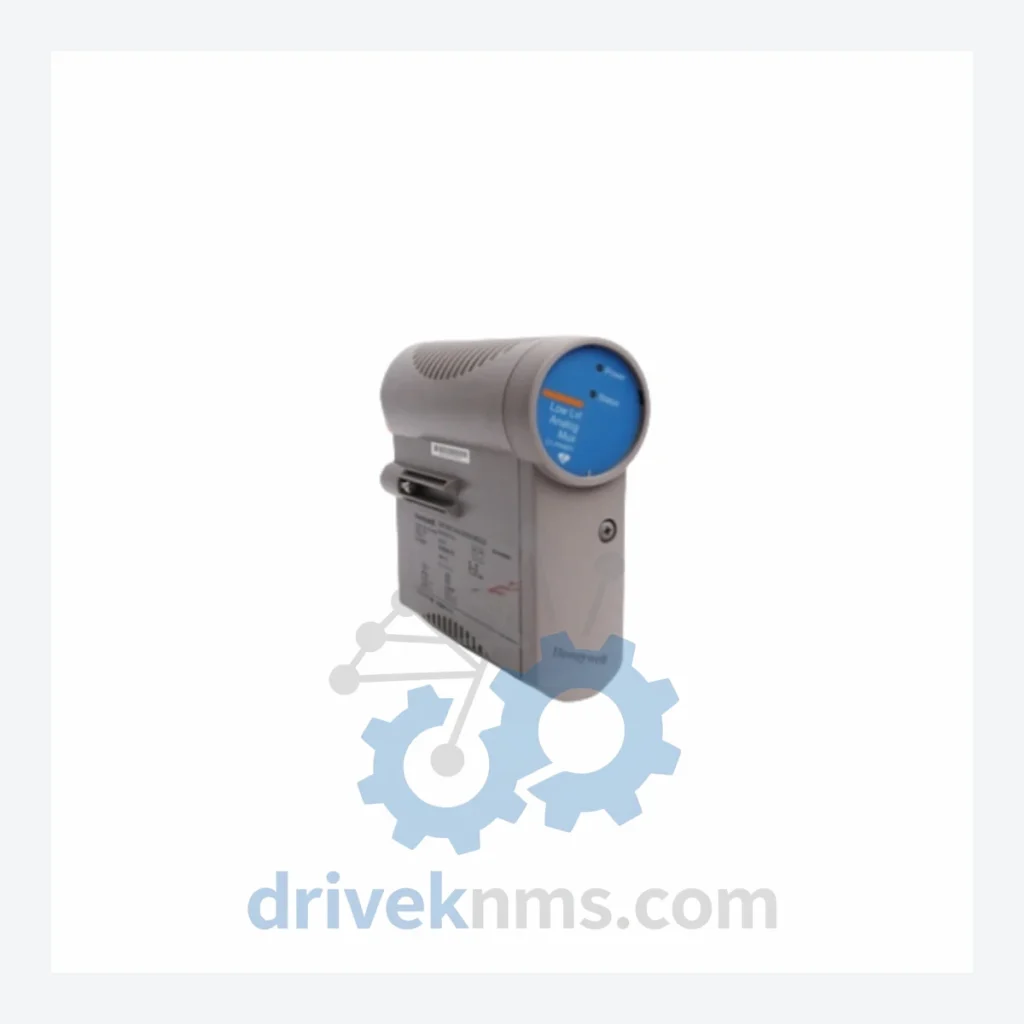
Product Overview
Commercial availability is handled through direct RFQ, model verification and export-oriented follow-up rather than public cart checkout.
Datasheet Preview
Use attached product manuals when available. If the manual is not public yet, request the full file directly through RFQ.
Commercial Path
Product pages on DRIVEKNMS are designed to verify model, brand and series first, then move the buyer into one clean quotation path.
Technical Dossier
RFQ support for obsolete parts: Send the model number, required quantity and destination so DriveKNMS can confirm sourcing options before quotation.
| Parameter | Detail |
|---|---|
| Manufacturer | Honeywell Process Solutions |
| Part Number | FC-RUSIO-3224 |
| Associated PSU | FC-PSU-UNI2450U |
| Module Type | Remote Universal I/O (RIO) – Safety Manager Series |
| Compatible Platform | Honeywell Safety Manager (SM) / FSC Series |
| Discontinuation Status | Discontinued / Obsolete – No longer manufactured |
| Country of Origin | United States |
| Condition Available | New surplus / Professionally refurbished |
Note: Electrical parameters such as channel count, I/O voltage range, and bus specifications are not published here to prevent inaccurate data from being used in safety-critical engineering decisions. Contact us directly for certified datasheet access.
The Honeywell Safety Manager platform — including its predecessor FSC architecture — was deployed extensively across oil & gas, petrochemical, and power generation facilities throughout the 1990s and 2000s. The FC-RUSIO-3224 Remote I/O module serves as the field interface layer in these systems, translating physical process signals into the safety logic network. Its universal I/O architecture made it the preferred choice for mixed-signal environments where flexibility was operationally critical.
Honeywell's end-of-life announcement for this hardware series left many facilities in a difficult position: the underlying process control logic, cause-and-effect matrices, and SIL-validated safety functions are deeply embedded in the existing platform. Migrating to a current-generation SIS — such as the Honeywell Safety Manager SC — requires full re-engineering of the safety application, third-party SIL verification, factory acceptance testing, and site acceptance testing. For a mid-sized refinery or chemical plant, this process typically spans 18 to 36 months and consumes capital budgets that compete directly with production investment.
Maintaining a strategic inventory of FC-RUSIO-3224 modules is not a workaround — it is a documented asset protection strategy. Each verified spare extends the operational window of an existing, validated safety system by years, deferring capital expenditure until it aligns with planned turnaround cycles rather than emergency failure events.
Plant managers operating Honeywell Safety Manager installations face a recurring pressure: aging hardware, shrinking spare parts availability, and budget cycles that cannot absorb unplanned system replacements. The following maintenance framework has been applied successfully across multiple facilities to extend SIS asset life without compromising functional safety integrity.
1. Conduct a Spare Parts Criticality Audit. Map every I/O module, power supply, and communication card in your Safety Manager rack against current market availability. Modules like the FC-RUSIO-3224 that are no longer manufactured should be classified as Tier 1 critical spares. A single-point-of-failure analysis will identify which cards, if lost, would trigger a forced system shutdown.
2. Establish a Minimum Viable Inventory (MVI) Buffer. For discontinued modules with no modern equivalent, industry practice recommends holding a minimum of two to three verified spares per installed unit. Given that secondary market availability for Safety Manager components is declining year over year, procurement windows are narrowing. Delaying this decision increases both cost and sourcing risk.
3. Implement Condition-Based Monitoring for Legacy I/O Cards. Electrolytic capacitor degradation, connector oxidation, and firmware version drift are the three primary failure modes for I/O modules of this generation. Scheduled inspection intervals — aligned with your existing turnaround schedule — allow proactive replacement before in-service failure occurs.
4. Freeze Firmware Versions and Document Configuration Baselines. For safety-critical systems, unauthorized firmware updates introduce validation risk. Maintain a documented baseline of all module firmware versions and configuration parameters. When a replacement module is installed, verify firmware parity before returning the loop to service.
5. Negotiate Long-Term Supply Agreements with Verified Distributors. Spot-market procurement of obsolete safety components carries authenticity risk. Establishing a supply relationship with a distributor that performs incoming inspection and maintains traceability documentation reduces the probability of counterfeit or degraded parts entering your safety system.
DriveKNMS applies a structured 5-step quality process to all obsolete Safety Manager modules before dispatch review.
Step 1 – Electrolytic Capacitor Assessment: Capacitors in modules of this generation are the primary aging component. Each unit is inspected for visible bulging, electrolyte leakage, and ESR deviation. Units with capacitor degradation are either recapped with equivalent-specification components or rejected from inventory.
Step 2 – Firmware Version Verification: The installed firmware version is read and documented. Customers receive this information prior to shipment so compatibility with their existing rack configuration can be confirmed before installation.
Step 3 – Pin and Connector Inspection: All backplane connectors and field wiring terminals are inspected under magnification for oxidation, mechanical deformation, and contamination. Affected contacts are cleaned using approved contact restoration procedures or the unit is rejected.
Step 4 – Functional Bench Test: Where test infrastructure permits, modules are powered and subjected to basic functional verification. Results are documented and accompany the shipment.
Step 5 – Packaging and ESD Protection: All modules are packaged in anti-static bags with desiccant and rigid outer packaging to prevent transit damage and electrostatic discharge.
Q: Should I purchase multiple units as long-term reserves?
A: For any discontinued module installed in a safety-critical application, holding at least two verified spares is a defensible minimum. Given the declining availability of Safety Manager components on the secondary market, procurement now is materially lower risk than procurement under emergency conditions.
Q: Can you supply the FC-PSU-UNI2450U power supply unit separately?
A: Yes. The FC-PSU-UNI2450U is available as a separate line item. Contact us with your quantity requirement.
Continue The Model Path
Move from this exact model into the matching system hub, brand archive, model-family archive or lifecycle sourcing route before sending a final RFQ list.
Related Paths
Honeywell MU-FOED02 51197564-200 is listed for DCS Cards RFQ review. Confirm quantity, condition and destination before quotation.
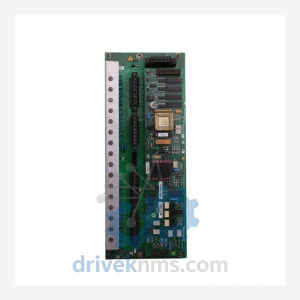
Honeywell MC-TAMT03 51309223-175 is listed for DCS Cards RFQ review. Confirm quantity, condition and destination before quotation.
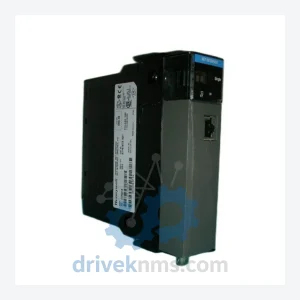
Honeywell TC-CCN013 is listed for DCS Cards RFQ review. Confirm quantity, condition and destination before quotation.