
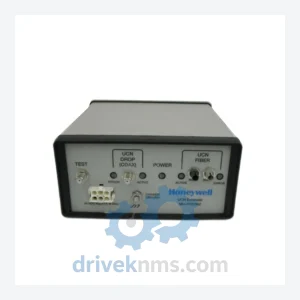
Honeywell TDC 3000 UCN Modules MU-FOED02 51197564-200 UCN Extender Fiber Optic Signal
Honeywell MU-FOED02 51197564-200 is listed for DCS Cards RFQ review. Confirm quantity, condition and destination before quotation.
RFQ-ready industrial model
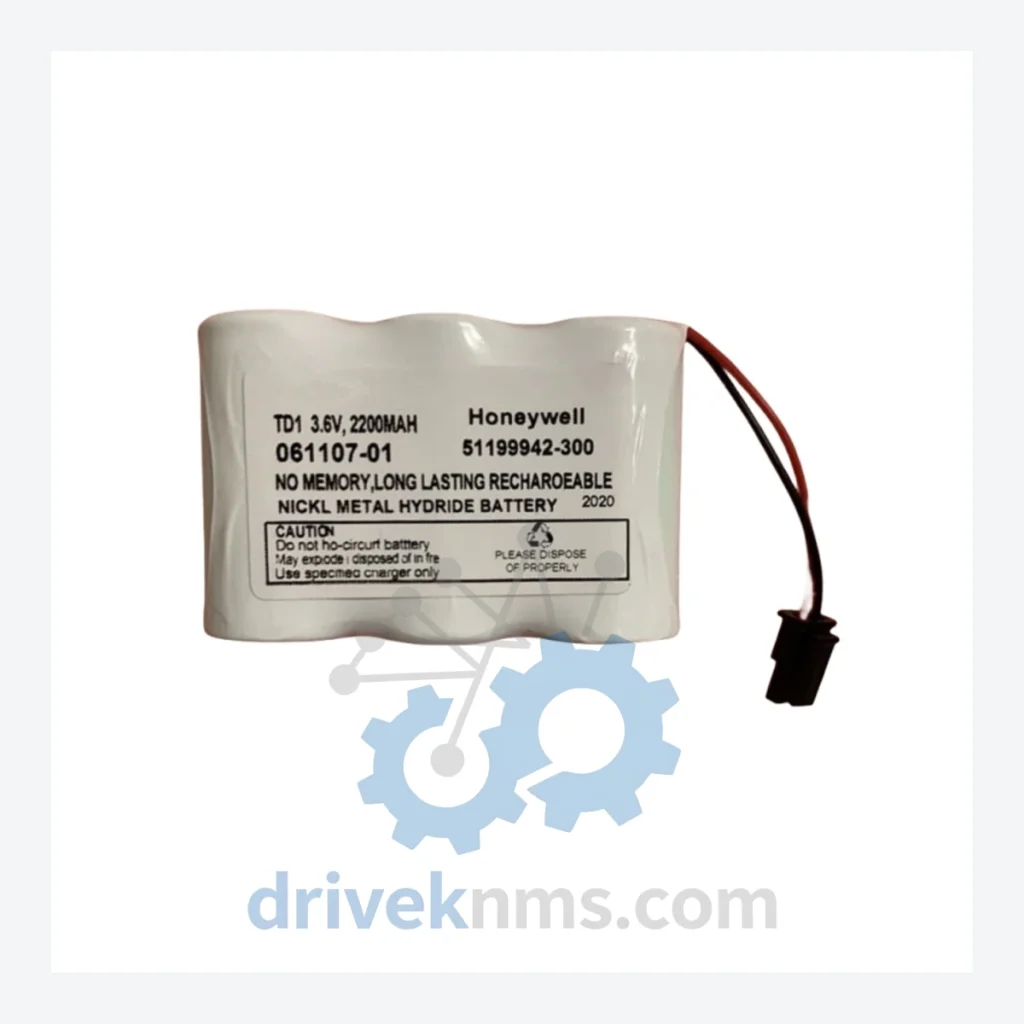
Model: TC-BATT03 51199942-300
Product Overview
Commercial availability is handled through direct RFQ, model verification and export-oriented follow-up rather than public cart checkout.
Datasheet Preview
Use attached product manuals when available. If the manual is not public yet, request the full file directly through RFQ.
Commercial Path
Product pages on DRIVEKNMS are designed to verify model, brand and series first, then move the buyer into one clean quotation path.
Technical Dossier
DriveKNMS maintains limited sourcing status of the Honeywell TC-BATT03 (P/N 51199942-300). Availability is not guaranteed. Once current inventory is depleted, no further production runs are scheduled by the OEM.
RFQ support for obsolete parts: Send the model number, required quantity and destination so DriveKNMS can confirm sourcing options before quotation.
The TC-BATT03 battery module serves a non-negotiable function within the TDC 3000 architecture. It provides backup power to volatile memory and real-time clock circuits within controller and interface modules. Without a functional battery, configuration data and process parameters stored in RAM are lost during any power interruption — including routine maintenance shutdowns. Recovery from such an event requires re-loading configurations from backup media, a process that introduces both time loss and the risk of version mismatch if backup discipline has not been rigorous.
DriveKNMS applies a structured 5-step quality assurance protocol to all discontinued components before dispatch review. For battery modules specifically, this process addresses the primary failure modes associated with long-term storage and aging chemistry:
Step 1 – Electrolytic Capacitor Aging Inspection: All associated circuitry is inspected for capacitor bulging, electrolyte leakage, and ESR (equivalent series resistance) deviation. Aged capacitors are replaced before the unit is cleared for sale.
Step 2 – Firmware Version Verification: Where applicable, embedded firmware is confirmed against the last known stable release for TDC 3000 compatibility. No unauthorized firmware modifications are present.
Step 3 – Pin and Connector Corrosion Audit: All connector pins, backplane contacts, and terminal interfaces are inspected under magnification. Oxidized contacts are treated; units with structural corrosion are rejected from inventory.
Step 4 – Functional Load Test: Battery output voltage and sustained load capacity are tested under controlled conditions. Units that do not meet minimum discharge specifications are not sold.
Step 5 – Packaging and ESD Protection: Cleared units are repackaged in anti-static materials with desiccant. Storage and shipping conditions are controlled to prevent moisture ingress.
The TC-BATT03 is a direct drop-in replacement for the original Honeywell-supplied battery module. No hardware modification, no firmware update, and no re-engineering of the host controller is required. Installation follows the standard Honeywell TDC 3000 maintenance procedure: power-down the affected module, swap the battery assembly, restore power, and verify system status via the operator console.
Avoiding a forced platform migration preserves the existing operator skill base, eliminates software re-licensing costs, and maintains process continuity without the validation and re-commissioning burden that accompanies any new DCS installation. For facilities operating under regulatory frameworks — pharmaceutical, nuclear, or petrochemical — this avoidance of re-commissioning has compliance value that extends well beyond the component cost.
2. Scheduled Preventive Replacement: Do not wait for failure. Battery modules should be replaced on a defined cycle — typically every 3–5 years depending on operating environment — regardless of apparent condition. The cost of a scheduled replacement is predictable; the cost of an unscheduled failure is not.
4. Configuration Backup Discipline: Maintain current, version-controlled backups of all controller configurations on media that can be read by current hardware. This reduces recovery time in the event that a battery failure does result in memory loss.
Facilities that implement these five practices routinely extend the productive life of TDC 3000 and equivalent legacy DCS platforms by 5–10 years beyond the point at which unmanaged systems would face forced retirement.
Q: How do I confirm the unit is genuine Honeywell and not a counterfeit?
A: All units sourced by DriveKNMS are inspected for OEM markings, part number consistency, and manufacturing date codes. We provide documentation of the inspection record upon request. We do not sell units where provenance cannot be established.
Q: Can this battery module be used in systems other than TDC 3000?
A: The TC-BATT03 is designed for Honeywell TDC 3000 and TPS platform architectures. Compatibility with other systems should be verified against your specific hardware documentation before installation.
Continue The Model Path
Move from this exact model into the matching system hub, brand archive, model-family archive or lifecycle sourcing route before sending a final RFQ list.
Related Paths
Honeywell MU-FOED02 51197564-200 is listed for DCS Cards RFQ review. Confirm quantity, condition and destination before quotation.
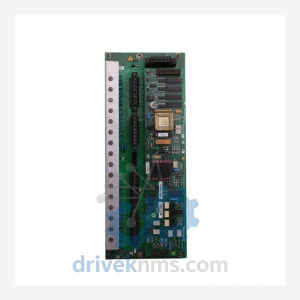
Honeywell MC-TAMT03 51309223-175 is listed for DCS Cards RFQ review. Confirm quantity, condition and destination before quotation.
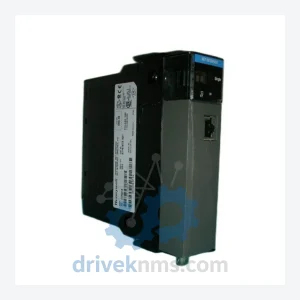
Honeywell TC-CCN013 is listed for DCS Cards RFQ review. Confirm quantity, condition and destination before quotation.