
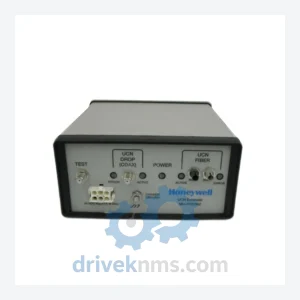
Honeywell TDC 3000 UCN Modules MU-FOED02 51197564-200 UCN Extender Fiber Optic Signal
Honeywell MU-FOED02 51197564-200 is listed for DCS Cards RFQ review. Confirm quantity, condition and destination before quotation.
RFQ-ready industrial model
Model: TK-FXX132
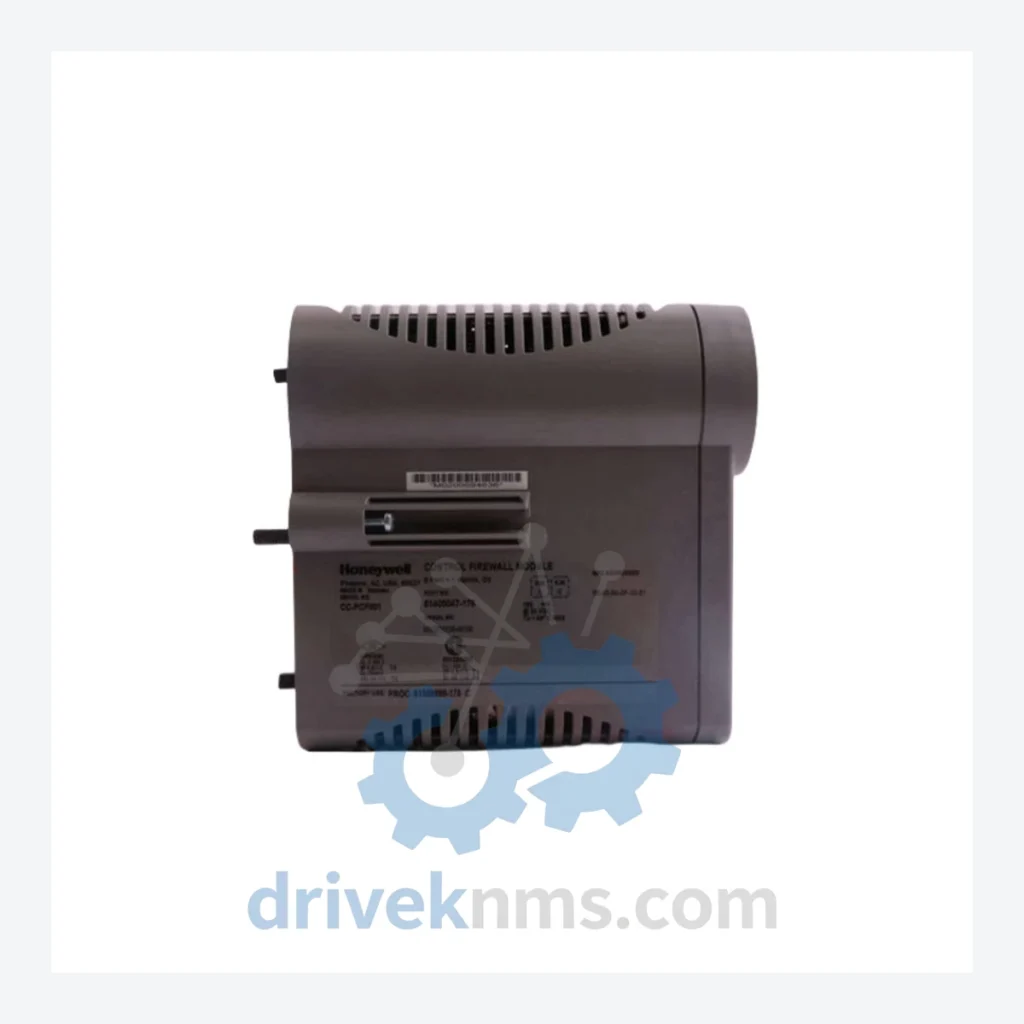
Product Overview
Commercial availability is handled through direct RFQ, model verification and export-oriented follow-up rather than public cart checkout.
Datasheet Preview
Use attached product manuals when available. If the manual is not public yet, request the full file directly through RFQ.
Commercial Path
Product pages on DRIVEKNMS are designed to verify model, brand and series first, then move the buyer into one clean quotation path.
Technical Dossier
RFQ support for obsolete parts: Send the model number, required quantity and destination so DriveKNMS can confirm sourcing options before quotation.
Note: Electrical parameters not independently verified. Specifications are based on known FSC platform documentation. No parameters are fabricated. Buyers are advised to cross-reference with their system documentation before installation.
The Honeywell FSC platform was the industry standard for safety instrumented systems (SIS) across high-hazard process industries for over two decades. Many facilities commissioned FSC-based safety loops in the 1990s and early 2000s — systems that are still actively protecting personnel and assets today. Honeywell has formally discontinued the FSC product line, and OEM supply channels are closed.
The TK-FXX132 slot chassis is not a peripheral accessory. It is the physical and electrical backbone of the FSC I/O rack. Every I/O module, every field signal, every safety function in that rack depends on the chassis integrity. A single chassis failure — caused by backplane corrosion, mechanical stress, or age-related PCB degradation — renders the entire rack inoperable.
Plant managers facing this scenario have two options: source a verified replacement chassis and restore the system within days, or initiate a full SIS migration project that will consume 18–36 months of engineering time, require full HAZOP re-validation, and cost millions in capital expenditure. For facilities with 5–10 years of remaining operational life on their process units, the economics of migration are difficult to justify. Sourcing a qualified spare chassis from DriveKNMS is the operationally rational decision.
How to extend your FSC system life by 5–10 years with targeted spare parts management:
Sourcing obsolete industrial hardware from the secondary market carries real risk. DriveKNMS applies a structured 5-step QA process to every FSC chassis unit before it leaves our facility:
Q: Should I buy more than one unit?
A: For any facility running FSC-based safety systems with no migration plan in the next 5 years, holding a minimum of one spare chassis per critical rack is a defensible asset protection strategy. Secondary market availability of FSC components is declining year over year. Units available today may not be available in 18 months.
Q: Can you source other FSC components?
A: Yes. DriveKNMS specializes in the full FSC component ecosystem, including processor modules, I/O modules, power supplies, and communication cards. Contact us with your full BOM for a consolidated quote.
Continue The Model Path
Move from this exact model into the matching system hub, brand archive, model-family archive or lifecycle sourcing route before sending a final RFQ list.
Related Paths
Honeywell MU-FOED02 51197564-200 is listed for DCS Cards RFQ review. Confirm quantity, condition and destination before quotation.
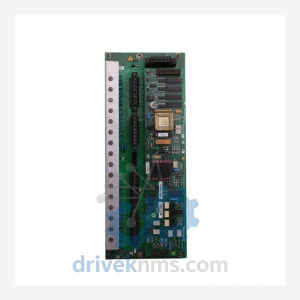
Honeywell MC-TAMT03 51309223-175 is listed for DCS Cards RFQ review. Confirm quantity, condition and destination before quotation.
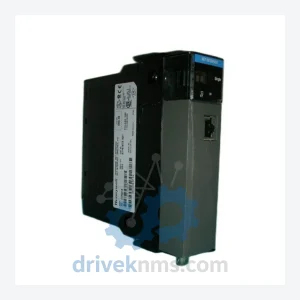
Honeywell TC-CCN013 is listed for DCS Cards RFQ review. Confirm quantity, condition and destination before quotation.