
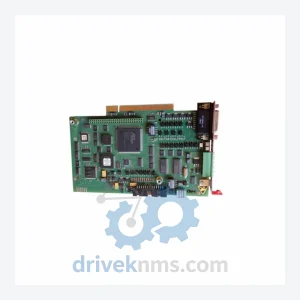
KUKA KRC Safety Board Modules: 00-138-379
Kuka 00-138-379 is listed for Controller Cards RFQ review. Confirm quantity, condition and destination before quotation.
RFQ-ready industrial model
Model: 00-127-754
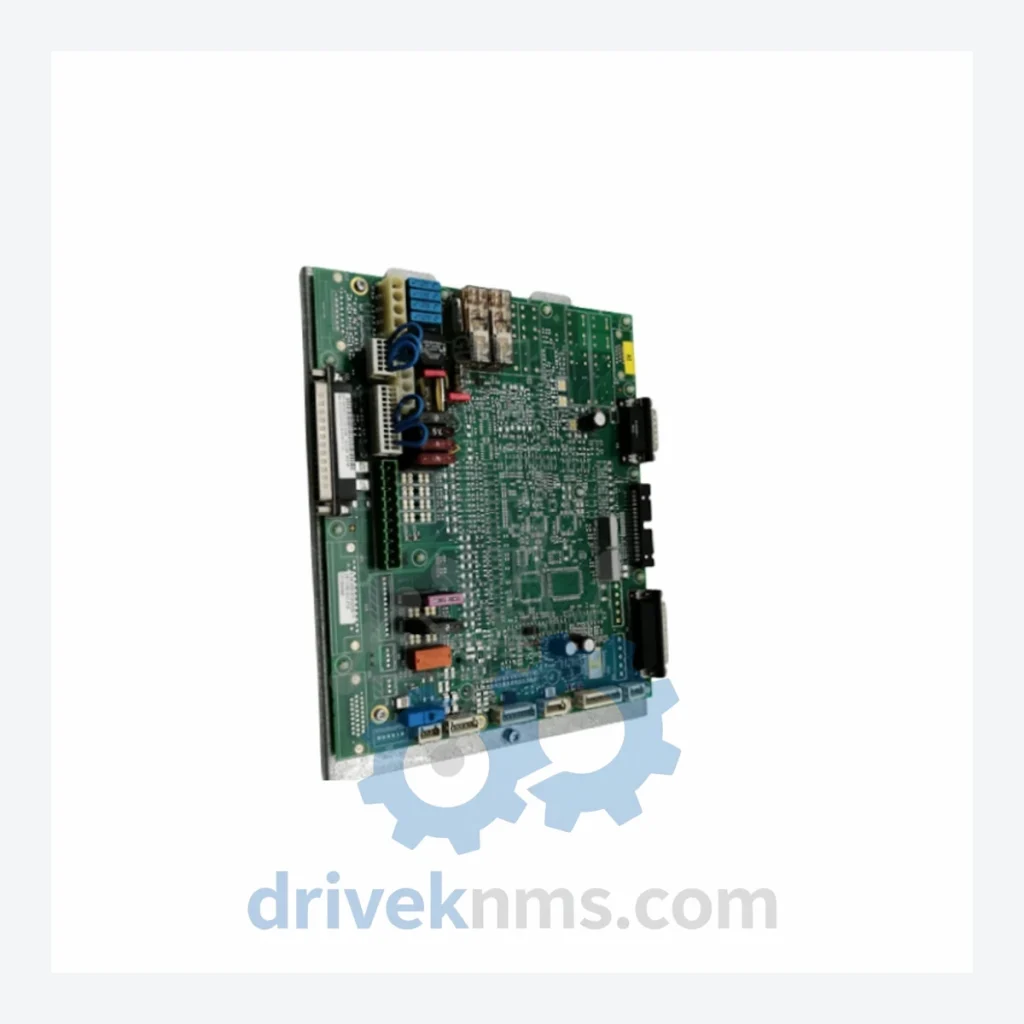
Product Overview
Commercial availability is handled through direct RFQ, model verification and export-oriented follow-up rather than public cart checkout.
Datasheet Preview
Use attached product manuals when available. If the manual is not public yet, request the full file directly through RFQ.
Commercial Path
Product pages on DRIVEKNMS are designed to verify model, brand and series first, then move the buyer into one clean quotation path.
Technical Dossier
RFQ support for obsolete parts: Send the model number, required quantity and destination so DriveKNMS can confirm sourcing options before quotation.
Note: Electrical parameters specific to board sub-variants are verified during our QA process. Confirmed specifications are provided upon request with unit documentation. No parameters are published without physical verification.
The KUKA KRC1 and KRC2 controller platforms were deployed extensively throughout the 1990s and 2000s across automotive body shops, general assembly lines, and heavy fabrication facilities. Tens of thousands of these systems remain in active production service globally — not because operators are unaware of their age, but because the robot programs, tooling, and safety validations built around them represent years of engineering investment that cannot be transferred to a new platform without significant cost and risk.
The 00-127-754 board sits within the controller's core processing and I/O architecture. Its failure does not produce a degraded-performance scenario — it produces a hard stop. The robot cell goes dark. Depending on line configuration, this can halt downstream assembly operations within minutes.
For plant managers facing this situation, the calculus is straightforward: sourcing a verified replacement board at a fraction of the cost of a controller upgrade is not a compromise — it is sound asset management. Extending the operational life of a KRC-generation robot cell by five to ten years through targeted component replacement preserves the capital budget for planned, scheduled modernization rather than emergency expenditure. A single avoided forced upgrade typically justifies years of proactive spare parts inventory.
Every 00-127-754 unit processed by DriveKNMS passes a structured five-stage inspection protocol before it is offered for sale. This process is designed specifically for legacy industrial electronics where age-related degradation follows predictable failure patterns.
Stage 1 – Electrolytic Capacitor Assessment: All electrolytic capacitors are inspected for bulging, leakage, and ESR drift. Capacitors showing measurable degradation are replaced with specification-matched components. This is the most common failure mode in boards of this generation.
Stage 2 – Firmware Version Verification: The board's firmware revision is identified and documented. Compatibility with target KRC controller versions is confirmed before dispatch. Mismatched firmware is a known source of post-installation faults.
Stage 3 – Pin and Connector Inspection: All edge connectors, header pins, and board-to-board interfaces are examined under magnification for oxidation, corrosion, and mechanical deformation. Affected contacts are cleaned or the unit is rejected from the serviceable inventory.
Stage 4 – PCB Trace and Solder Joint Inspection: Board traces are inspected for micro-fractures and cold solder joints — failure modes that develop over years of thermal cycling in controller enclosures.
Stage 5 – Functional Bench Test: Where test fixtures are available for the specific board variant, units undergo powered functional verification prior to packaging.
The 00-127-754 is a direct drop-in replacement for the original KUKA KRC controller installation. No hardware modifications to the controller chassis are required. The board seats into the existing mounting position using the original fastener pattern and connector interface.
Critically, installation of a replacement 00-127-754 does not require reloading or rewriting robot programs. The controller's program memory resides in separate storage components. Maintenance personnel familiar with KRC controller servicing can complete the board swap without specialist KUKA engineering support in most cases, avoiding the day-rate costs associated with OEM field service.
This means the path from a failed board to a running robot cell is measured in hours, not weeks — and the total intervention cost is a fraction of what a controller platform migration would require. For facilities managing multiple KRC-generation cells, maintaining one or two 00-127-754 units as on-site cold spares is a low-cost insurance policy against production interruption.
Continue The Model Path
Move from this exact model into the matching system hub, brand archive, model-family archive or lifecycle sourcing route before sending a final RFQ list.
Related Paths
Kuka 00-138-379 is listed for Controller Cards RFQ review. Confirm quantity, condition and destination before quotation.
Kuka 00-161-116 is listed for KRC Series RFQ review. Confirm quantity, condition and destination before quotation.
Kuka KRC4 00-183-926A1-X3 is listed for KRC4 RFQ review. Confirm quantity, condition and destination before quotation.