
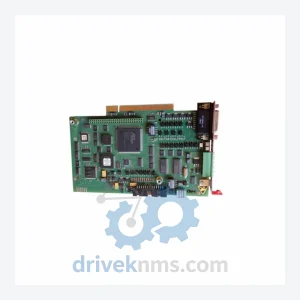
KUKA KRC Safety Board Modules: 00-138-379
Kuka 00-138-379 is listed for Controller Cards RFQ review. Confirm quantity, condition and destination before quotation.
RFQ-ready industrial model
Model: 00-127-755
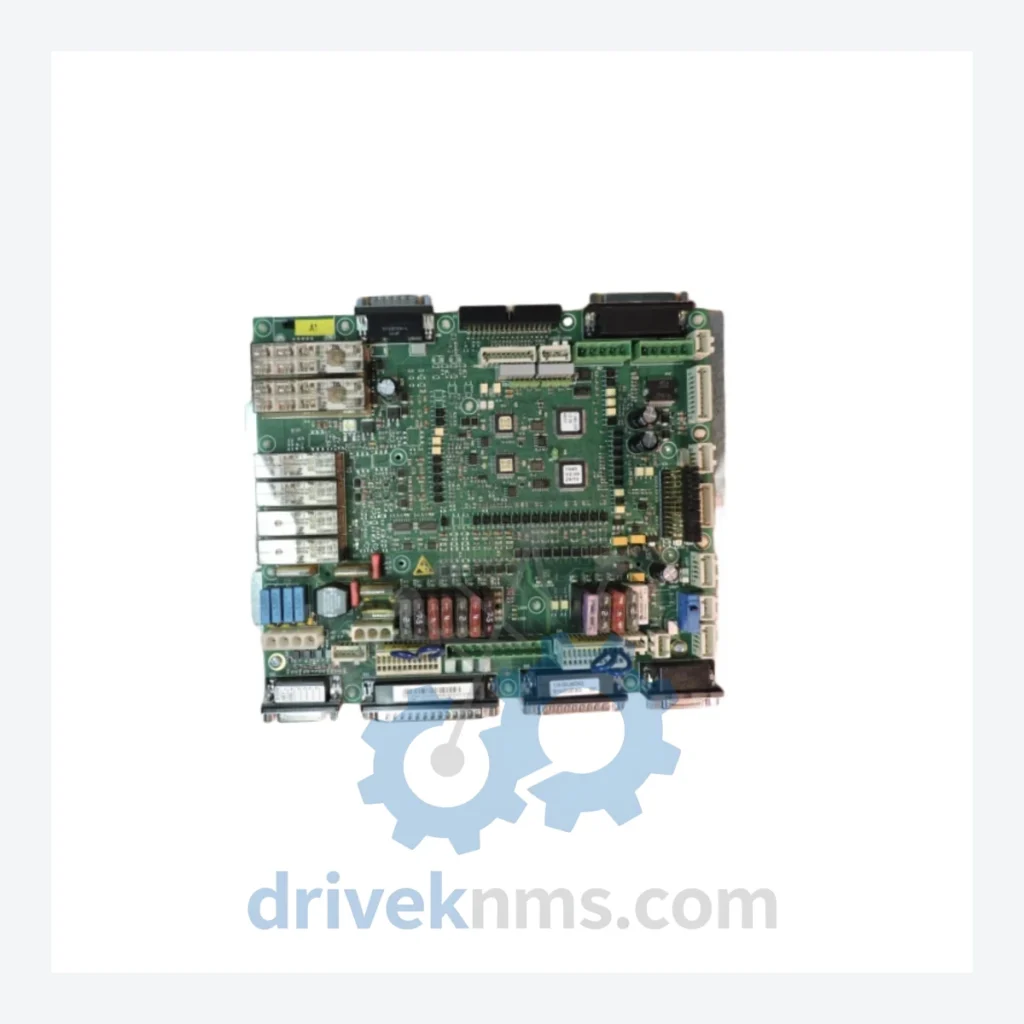
Product Overview
Commercial availability is handled through direct RFQ, model verification and export-oriented follow-up rather than public cart checkout.
Datasheet Preview
Use attached product manuals when available. If the manual is not public yet, request the full file directly through RFQ.
Commercial Path
Product pages on DRIVEKNMS are designed to verify model, brand and series first, then move the buyer into one clean quotation path.
Technical Dossier
DriveKNMS reviews sourcing options for this model through RFQ handling before quotation.
The KR C2 controller was introduced in the late 1990s as KUKA's answer to the demand for a PC-based, open-architecture robot controller. Built on a Windows-based real-time platform (VxWorks kernel for motion control, Windows for the HMI layer), it represented a significant departure from proprietary embedded systems. The internal architecture uses a VME-style backplane with dedicated slots for the CPU board, safety board, servo amplifier interface, and I/O expansion modules.
The KR C2 ed05 (Edition 5) was the final major revision before KUKA transitioned to the KR C4 platform around 2009–2010. The KR C4 introduced a fundamentally different safety architecture — the SafeOperation and SafeRangeMonitoring functions moved from discrete hardware boards to a software-certified safety layer (KUKA.SafeOperation), running on a dedicated safety CPU compliant with IEC 61508 SIL 2. This architectural shift means KR C2 and KR C4 safety modules are not cross-compatible. Facilities running mixed fleets must maintain separate spare pools for each platform.
KR C2 entered the end-of-life phase officially around 2013, with KUKA ceasing volume production of replacement boards. The installed base, however, has not retired at the same pace. Automotive Tier 1 suppliers and foundries operating on 15–25 year capital equipment cycles continue to run KR C2 systems, creating sustained demand for safety boards, CPU modules, and power supply units that are no longer manufactured.
Safety & Monitoring Boards
CPU & Controller Boards
I/O & Communication Modules
Power Supply Units
KUKA's official end-of-life declaration for KR C2 hardware means that OEM channels no longer carry safety boards, CPU modules, or RDC cards for this platform. The secondary market is the only viable source — and within that market, quality and traceability vary significantly.
Safety boards and CPU modules from the KR C2 era present specific failure modes that require targeted inspection protocols. DriveKNMS applies the following process to all KR C2 and KR C4 safety-critical modules before dispatch:
Continue The Model Path
Move from this exact model into the matching system hub, brand archive, model-family archive or lifecycle sourcing route before sending a final RFQ list.
Related Paths
Kuka 00-138-379 is listed for Controller Cards RFQ review. Confirm quantity, condition and destination before quotation.
Kuka 00-161-116 is listed for KRC Series RFQ review. Confirm quantity, condition and destination before quotation.
Kuka 00-127-754 is listed for Controller Cards RFQ review. Confirm quantity, condition and destination before quotation.