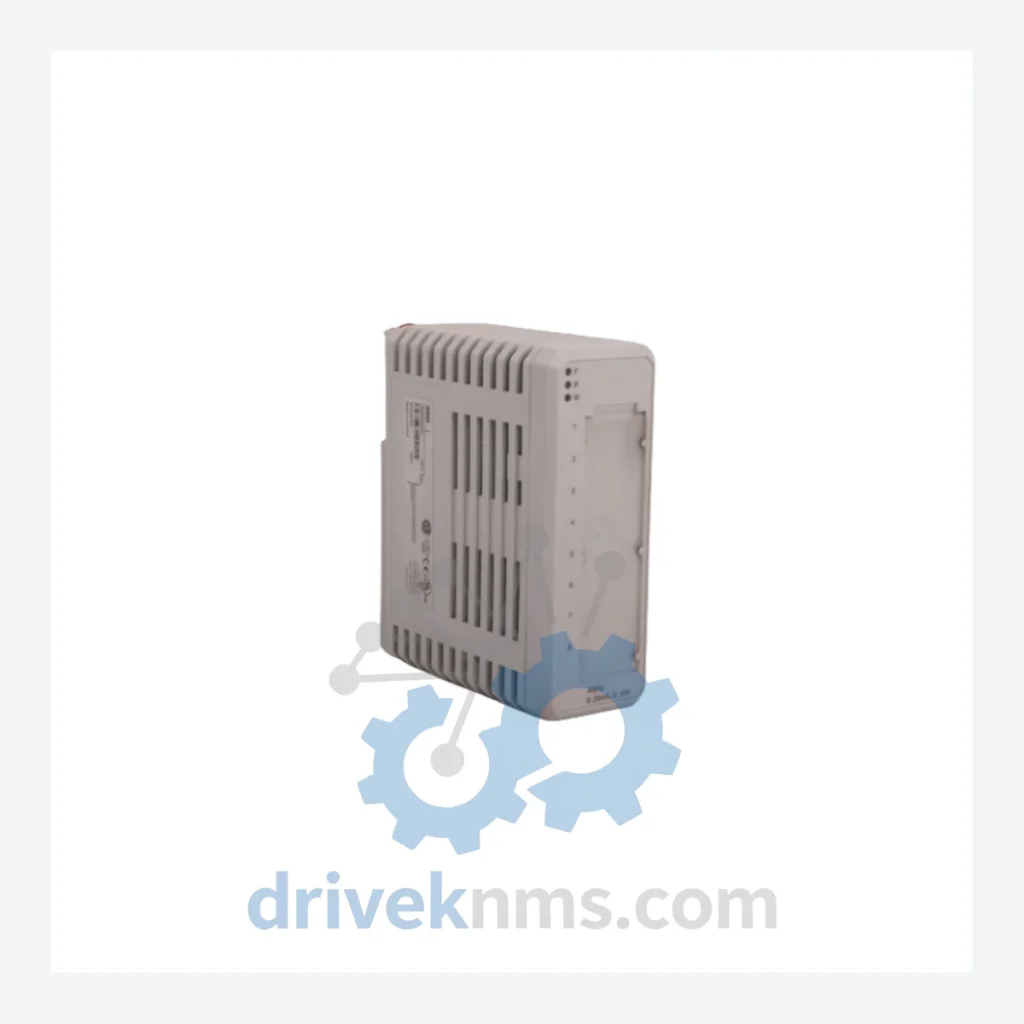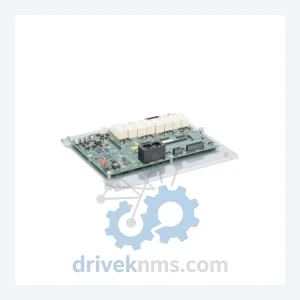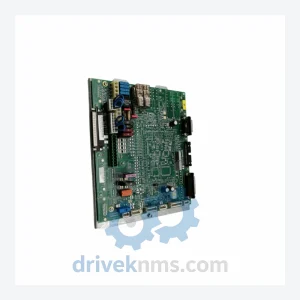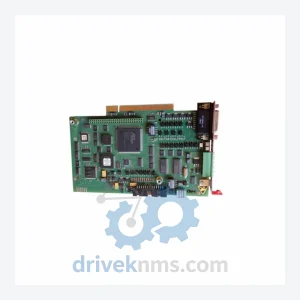
Products / Kuka / 284-170 KPC4 Control Board
Kuka 284-170 KPC4 Control Board

KUKA 00-284-170 KPC4 Control Board – Obsolete KPC4 Series Spare Part

Model: 00-284-170 KPC4

Brand Kuka
Series 284-170 KPC4 Control Board
Model 00-284-170 KPC4
RFQ-ready model route Obsolete and surplus sourcing Export follow-up by model list

Product Overview

Commercial availability is handled through direct RFQ, model verification and export-oriented follow-up rather than public cart checkout.

Datasheet Preview

Datasheet Preview

Use attached product manuals when available. If the manual is not public yet, request the full file directly through RFQ.

Request Full Manual

Commercial Path

Use This Page To Confirm The Model, Then Move To RFQ

Product pages on DRIVEKNMS are designed to verify model, brand and series first, then move the buyer into one clean quotation path.

Technical Dossier

Product Details And Specifications

KUKA 00-284-170 KPC4 Control Board – Obsolete KPC4 Series Spare Part

When the KPC4 control board on your KUKA robot fails, the clock starts ticking. This module is the processing core of the KPC4 controller cabinet — the unit that governs motion coordination, I/O communication, and real-time program execution across the robot cell. KUKA discontinued the KPC4 series, and replacement units are no longer available through official distribution channels.

A single failed board does not just stop one robot. In an integrated production line, it can halt an entire welding cell, press-tending station, or palletizing system. The cost of a full controller upgrade — new cabinet, new teach pendant, re-integration engineering, re-certification, and production downtime — routinely exceeds USD 80,000 to USD 200,000 per robot. DriveKNMS holds verified physical stock of the 00-284-170 KPC4 board. For plant managers operating legacy KUKA systems under capital expenditure constraints, this is a direct alternative to a forced upgrade cycle.

Technical Specifications

Parameter Detail
Part Number 00-284-170
Module Designation KPC4
Module Type Control Board / CPU Board
Compatible Controller KUKA KRC1 / KRC2 (KPC4 cabinet variant)
Manufacturer KUKA Roboter GmbH
Country of Origin Germany
Discontinuation Status Officially discontinued – no longer in KUKA active production
Condition Available New Old Stock (NOS) / Professionally Refurbished

Note: Electrical parameters such as supply voltage, bus interface specifications, and firmware revision are board-revision dependent. DriveKNMS will confirm exact revision details upon inquiry. No parameters are assumed or fabricated.

Solving the Discontinued Hardware Crisis

The KUKA KPC4 controller was widely deployed in automotive body shops, foundry automation, and general-purpose robotic cells throughout the 1990s and early 2000s. Many of these installations remain in productive service today — not because the robots are obsolete, but because the mechanical and kinematic performance of a KUKA KR series arm has a service life that far exceeds the availability of its electronic components.

The KPC4 control board is the single most failure-prone component in the KPC4 cabinet. It handles the real-time operating system, axis interpolation, and fieldbus communication. When it fails, no other component substitution restores function. There is no cross-compatible modern replacement that installs without a full controller migration project.

Plant managers who have maintained a spare 00-284-170 board on the shelf have consistently avoided the forced upgrade decision. Those who have not faced a binary choice: source the board on the secondary market or commit to a six-figure capital project. DriveKNMS operates specifically in this secondary market, with sourcing networks across decommissioned automotive plants and certified refurbishment partners.

How to extend your KUKA KRC1/KRC2 asset life by 5–10 years at low cost:

  • Maintain a cold spare KPC4 board. Mean time between failures on aging control boards accelerates after 15 years of operation. A single spare unit eliminates the sourcing lead time that causes extended downtime.
  • Audit electrolytic capacitors on a 5-year cycle. Capacitor degradation is the primary failure mode on boards of this age. Proactive replacement by a qualified technician costs a fraction of a board replacement.
  • Lock firmware versions. Do not update KRC1/KRC2 firmware unless a specific fault requires it. Firmware mismatches between the KPC4 board and peripheral modules are a documented source of instability.
  • Document your current system configuration. Teach pendant software version, KSS version, and I/O mapping should be archived. This data is essential for restoring a replacement board to operational state without re-commissioning from scratch.
  • Negotiate a maintenance contract that includes spare parts coverage. Many third-party KUKA service providers will include a KPC4 board in a long-term service agreement if you supply the part. DriveKNMS can supply the hardware; your service provider handles installation.

Condition & Reliability Assurance

Sourcing a discontinued control board from the secondary market carries legitimate risk. DriveKNMS applies a structured 5-step qualification process to every KPC4 board before it is offered for sale:

  1. Visual and mechanical inspection. Board surface, connector pins, solder joints, and PCB traces are examined under magnification. Units with physical damage, corrosion, or burn marks are rejected at this stage.
  2. Electrolytic capacitor assessment. Capacitors are tested for ESR (equivalent series resistance) and capacitance retention. Boards with degraded capacitors are either recapped by certified technicians or rejected.
  3. Firmware version verification. The firmware revision on each board is read and documented. Customers are informed of the exact revision prior to shipment so compatibility with their KSS version can be confirmed.
  4. Pin and connector integrity check. All edge connectors and board-to-board connectors are inspected for oxidation, pin deformation, and contact resistance. Affected contacts are cleaned or the unit is rejected.
  5. Functional power-on test (where test fixture is available). Boards are powered in a controlled bench environment to verify basic initialization and communication response before dispatch.

Key Features for System Maintenance

  • Drop-in replacement. The 00-284-170 KPC4 board installs into the existing KPC4 cabinet without mechanical modification. No new cabinet, no new cable harness.
  • No reprogramming of robot logic required. Robot programs, tool data, and base data reside on the KRC hard drive or backup media — not on the control board itself. Swapping the board does not erase application software.
  • Avoids engineering re-integration costs. A full KRC2-to-KRC4 migration requires mechanical re-mounting, new cable sets, updated safety circuits, and re-certification of the cell. Replacing the KPC4 board requires none of this.
  • Preserves existing operator training investment. Your operators know the KRC1/KRC2 teach pendant. A board replacement keeps the interface identical. A controller migration forces retraining.
  • Supports long-term spare parts strategy. DriveKNMS can advise on additional KPC4-series components — power supply units, DSE boards, MFC boards — to build a comprehensive cold-spare inventory for your KUKA fleet.

FAQ

Q: What warranty applies to a discontinued KPC4 board?
A: DriveKNMS provides a 90-day functional warranty on all refurbished units and a 30-day warranty on New Old Stock units. Warranty covers failure under normal operating conditions and excludes damage caused by incorrect installation or electrical overstress.

Q: How do I confirm the board is new or professionally refurbished — not a field-pulled unit sold as-is?
A: Every unit shipped by DriveKNMS is accompanied by a condition report documenting the qualification steps completed, the firmware revision identified, and the test results recorded. We do not sell untested field-pull units without explicit disclosure.

Q: Should I buy more than one unit?
A: For any facility operating more than two KUKA robots on the KPC4 platform, holding two spare boards is the standard recommendation. The sourcing window for this part narrows each year as decommissioned equipment is scrapped. Stock purchased today is insurance against a sourcing failure in year three or five.

Q: Can DriveKNMS source other KPC4-series components?
A: Yes. Contact us with your full bill of materials for the KPC4 cabinet. We will advise on availability across our sourcing network.

© 2026 DriveKNMS. All trademarks belong to their respective owners. Specifications are for reference only and subject to change without notice. Verify all parameters against official documentation before installation.