
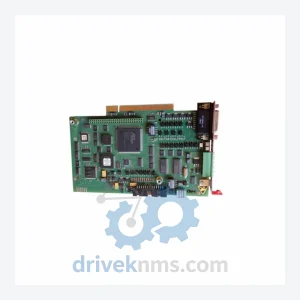
KUKA KRC Safety Board Modules: 00-138-379
Kuka 00-138-379 is listed for Controller Cards RFQ review. Confirm quantity, condition and destination before quotation.
RFQ-ready industrial model
Model: C4 00-284-170 00-271-601 00271601 00-271-601
Product Overview
Commercial availability is handled through direct RFQ, model verification and export-oriented follow-up rather than public cart checkout.
Datasheet Preview
Use attached product manuals when available. If the manual is not public yet, request the full file directly through RFQ.
Commercial Path
Product pages on DRIVEKNMS are designed to verify model, brand and series first, then move the buyer into one clean quotation path.
Technical Dossier
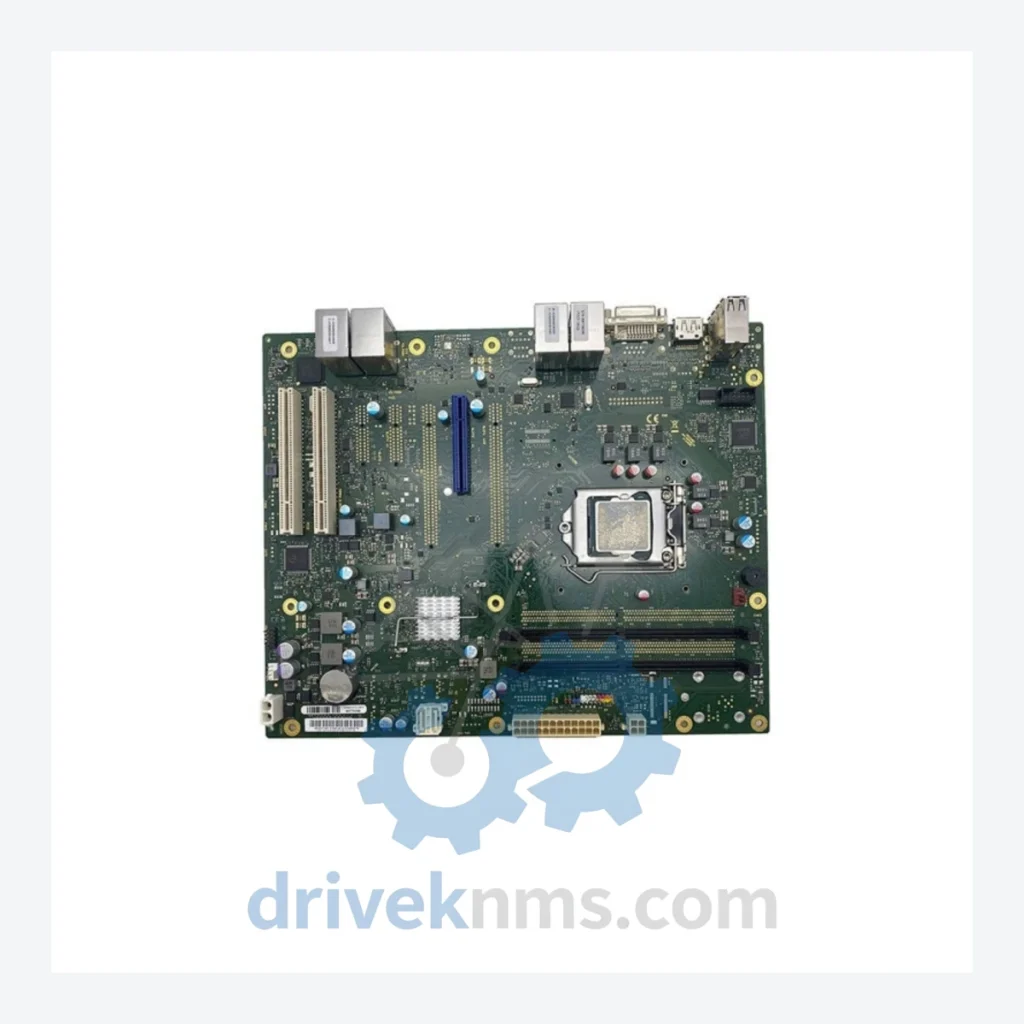
The KUKA C4 (KR C4) controller platform is the fourth-generation robot controller architecture from KUKA Roboter GmbH, deployed globally across heavy industrial sectors including automotive body-in-white assembly, chemical processing plants, nuclear facility material handling, and petroleum refinery automation. Introduced in 2009 as the successor to the KR C2 and KR C3 platforms, the KR C4 established a unified control architecture that consolidates robot control, PLC logic, motion control, and safety functions onto a single hardware backbone. Its PC-based open architecture, based on an Intel x86 platform running Windows Embedded, made it the dominant controller in high-density robot installations throughout the 2010s and into the 2020s. Installed base estimates exceed 300,000 units worldwide, making the C4 one of the most widely maintained robot controller platforms in industrial service today.
The KR C4 architecture replaced the proprietary DSE/DSP board topology of the KR C2 with a standardized PC motherboard and modular backplane design. Early C4 units (2009–2013) used Intel Core 2 Duo processors with DDR2 memory and a dedicated KPP (KUKA Power Pack) drive module. Mid-generation revisions (2013–2017) introduced the KR C4 compact and KR C4 smallsize variants, targeting collaborative and small-payload applications. Late-generation units (2017–present) integrated the KR C4 CK (Cabinet-free) and KR C5 transition models, with updated safety controllers (KSB, KSI) and EtherCAT-based I/O expansion.
Compatibility across C4 generations is constrained by firmware versioning (KUKA System Software, KSS 8.x). Mainboards, safety boards, and drive modules are not interchangeable between KR C2 and KR C4 without full controller replacement. Within the C4 family, backplane and power supply modules maintain a higher degree of cross-compatibility, but CPU and safety modules require matched KSS versions. Facilities operating mixed fleets of KR C4 and KR C5 controllers must maintain separate spare parts inventories.
The following SKUs represent the core module range of the KR C4 controller platform, classified by functional category. Each entry reflects a discrete field-replaceable unit (FRU) within the C4 cabinet architecture.
Mainboard / CPU Modules
Safety Controller Modules
Drive / Power Modules
I/O and Communication Modules
Power Supply Modules
KR C4 mainboards and safety modules present specific test challenges due to their integrated PC architecture and dual-channel safety logic. DriveKNMS applies the following verification protocol to all C4 modules prior to shipment:
Continue The Model Path
Move from this exact model into the matching system hub, brand archive, model-family archive or lifecycle sourcing route before sending a final RFQ list.
Related Paths
Kuka 00-138-379 is listed for Controller Cards RFQ review. Confirm quantity, condition and destination before quotation.
Kuka 00-161-116 is listed for KRC Series RFQ review. Confirm quantity, condition and destination before quotation.
Kuka 00-127-754 is listed for Controller Cards RFQ review. Confirm quantity, condition and destination before quotation.