
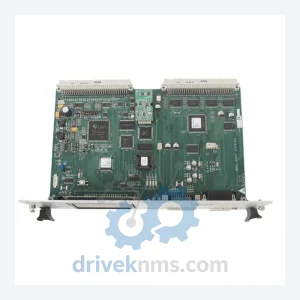
Lam Research Node Robot Interface Board 810-068158-014
Lam Research 810-068158-014 is listed for Monitoring Systems RFQ review. Confirm quantity, condition and destination before quotation.
RFQ-ready industrial model
Model: 853-005949-002 E17284320 15-462-16 215
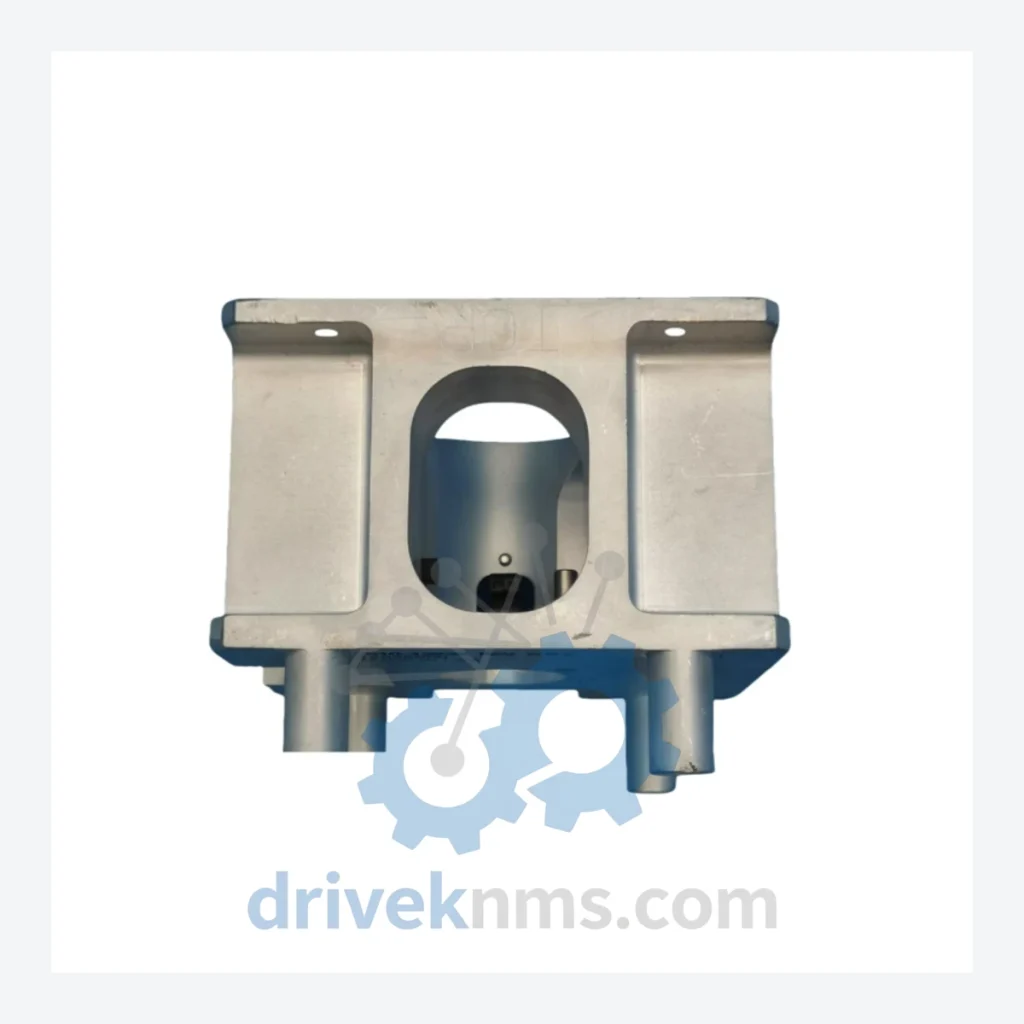
Product Overview
Commercial availability is handled through direct RFQ, model verification and export-oriented follow-up rather than public cart checkout.
Datasheet Preview
Use attached product manuals when available. If the manual is not public yet, request the full file directly through RFQ.
Commercial Path
Product pages on DRIVEKNMS are designed to verify model, brand and series first, then move the buyer into one clean quotation path.
Technical Dossier
RFQ support for obsolete parts: Send the model number, required quantity and destination so DriveKNMS can confirm sourcing options before quotation.
Note: Electrical parameters beyond those listed above are not published to avoid inaccurate specifications. Contact us for datasheet support.
The 853-005949-002 PLL End Point Detector is embedded in the process control architecture of Lam Research etch tools that were installed across global fabs during a period when these platforms represented the industry standard for dielectric and conductor etch. The PLL-based detection circuit monitors the plasma endpoint signal in real time, triggering process termination at the correct etch depth. This function cannot be emulated by software alone — it requires the physical board in the correct slot, communicating with the chamber controller over the original hardware interface.
Lam Research ceased production of this board as part of the natural lifecycle transition away from these tool generations. The OEM no longer offers new units, and authorized service contracts for these platforms have been progressively discontinued. Fabs that continue to operate these tools — often because the cost of replacement outweighs the cost of maintenance — are now entirely dependent on the secondary market for this component.
The risk is compounded by the fact that end point detector failures are not always predictable. PLL circuits are sensitive to power supply degradation, thermal cycling stress, and component aging on the board level. A fab that does not hold at least one verified spare unit is operating without a safety net on a tool that may be running 24 hours a day, 7 days a week. The cost of an unplanned outage — lost wafer starts, customer commitments missed, emergency sourcing at premium prices — consistently exceeds the cost of maintaining a pre-positioned spare by an order of magnitude.
DriveKNMS sources, inspects, and holds inventory of components like the 853-005949-002 precisely because the window for obtaining verified units narrows every year. Each unit that leaves the secondary market without being captured reduces the available pool permanently.
For plant managers and equipment engineers responsible for legacy etch tool fleets, the decision to extend tool life rather than replace is a capital allocation decision, not merely a maintenance decision. The following framework applies directly to tools dependent on components like the 853-005949-002:
1. Criticality mapping before failure occurs. Identify every board and module in your etch tool that is no longer available from the OEM. The 853-005949-002 is one such component. Map these against your current spare holdings. Any gap between no OEM availability and zero spares on hand is an unmanaged risk.
2. Strategic pre-positioning of long-lead obsolete parts. The secondary market for discontinued semiconductor equipment components is not a reliable on-demand resource. Availability is episodic. Units surface when other fabs decommission tools, and they are absorbed quickly. Purchasing a spare before failure — rather than after — is the only reliable strategy. The cost of a pre-positioned spare is fixed. The cost of an emergency search after failure is unpredictable and frequently punitive.
3. Scheduled board-level inspection cycles. For PLL-based detection boards, electrolytic capacitor aging is the primary failure mode over time. A scheduled inspection and recapping program — performed by a qualified electronics technician — can extend the service life of a functional board by several years. This is a low-cost intervention relative to the value of the tool it protects.
4. Firmware and configuration documentation. Before any board is removed for inspection or replacement, document the firmware version and any configuration parameters stored on the board. For legacy systems, this information may not be recoverable from the OEM. Loss of configuration data can convert a straightforward board swap into a multi-day re-qualification event.
5. Vendor qualification for secondary market sources. Not all secondary market suppliers apply consistent inspection standards to obsolete boards. Require documentation of the inspection process, the condition grade assigned, and the basis for that grade before accepting a unit. DriveKNMS applies a structured QA process to every unit — detailed in the section below.
Every 853-005949-002 unit processed by DriveKNMS passes through a five-stage inspection protocol before it is offered for sale:
Stage 1 – Visual and mechanical inspection. Full board examination under magnification. Pin corrosion, solder joint cracking, physical damage, and connector wear are assessed and documented.
Stage 2 – Electrolytic capacitor assessment. Capacitors are the primary aging component on boards of this generation. Each electrolytic capacitor is tested for capacitance value, ESR (equivalent series resistance), and leakage. Units with out-of-specification capacitors are either recapped or rejected.
Stage 3 – Firmware version verification. Where the firmware version is identifiable, it is documented and cross-referenced against known compatible versions for the target tool generation. Boards with unknown or mismatched firmware are flagged prior to sale.
Stage 4 – Functional bench test. Where test fixtures are available for the board type, a functional power-on test is performed. Results are recorded.
Stage 5 – Packaging and ESD protection. Units are packaged in anti-static bags with desiccant, labeled with the inspection record reference, and stored in a controlled environment prior to shipment.
Q: How do I know the unit is new or genuinely refurbished — not a cosmetically cleaned reject?
A: Each unit is accompanied by an inspection record documenting the five-stage QA process described above. The condition grade, test results, and any recapping or repair work performed are disclosed in writing before purchase.
Q: Should I buy more than one unit?
A: For a tool running in production, holding a minimum of one verified spare on-site is the baseline recommendation. For fabs operating multiple tools of the same generation, or for tools running critical processes with no qualified backup tool, holding two units is a defensible position. The secondary market supply of this part number will not increase over time.
Continue The Model Path
Move from this exact model into the matching system hub, brand archive, model-family archive or lifecycle sourcing route before sending a final RFQ list.
Related Paths
Lam Research 810-068158-014 is listed for Monitoring Systems RFQ review. Confirm quantity, condition and destination before quotation.
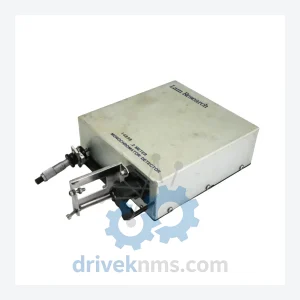
Lam Research EP200MMC 0270-90229 0195-07994 is listed for Monitoring Systems RFQ review. Confirm quantity, condition and destination before quotation.
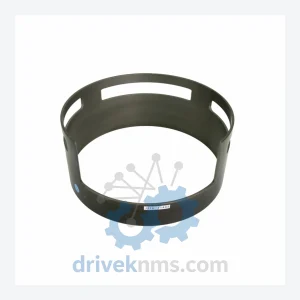
Lam Research 9600PTX 715-330825-007 CABLES 550111 & EMGA-60-P-G5-SAS-55 EMMS-AS-55-M-LS-TM IC693PWR3215 is listed for Monitoring Systems RFQ review. Confirm quantity, condition and destination before quotation.