
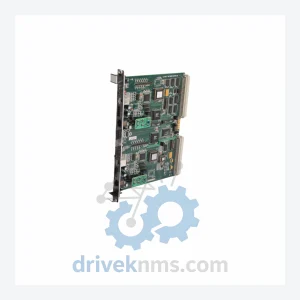
Lam Research VME-LTNI-S4 B105-0102 Network Interface Board – VME Series
Lam Research VME-LTNI-S4 B105-0102 Network Interface Board: Supply Continuity Strategy for Semiconductor Fab Procurement Teams The Lam Research VME-LTNI-S4 B105-0102…
Model: GA962400 & 50020R-10 810-013872-104 ABX-X234 627D01MCC9B
Product Overview
Commercial availability is handled through direct RFQ, model verification and export-oriented follow-up rather than public cart checkout.
Datasheet Preview
Use attached product manuals when available. If the manual is not public yet, request the full file directly through RFQ.
Commercial Path
Product pages on DRIVEKNMS are designed to verify model, brand and series first, then move the buyer into one clean quotation path.
Technical Dossier
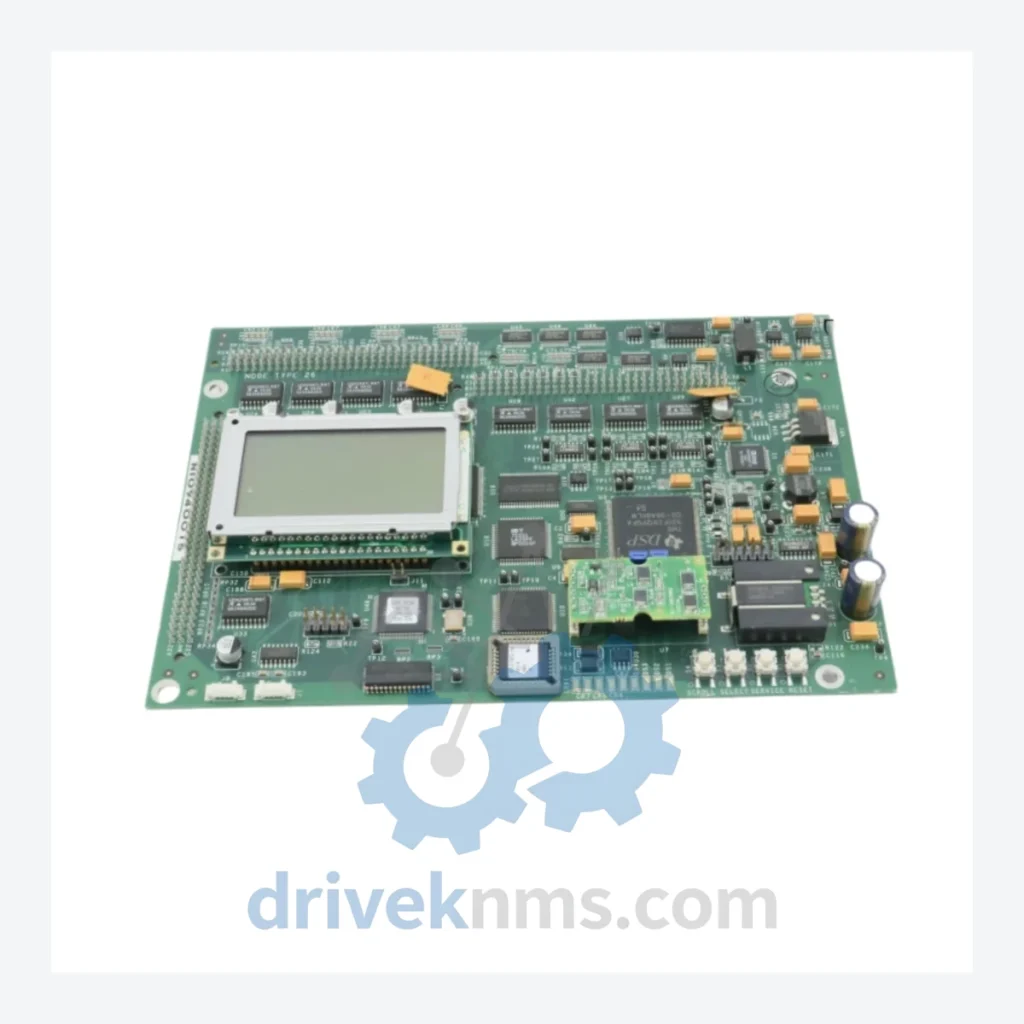
The Lam Research GA962400 PCB Node Type module is a critical process control board deployed across semiconductor fabrication equipment platforms, including Lam Research's Kiyo, Flex, and Versys etch systems. These node-type PCBs serve as distributed intelligence units within the equipment's internal control architecture, managing localized I/O, sensor interfacing, and real-time process parameter communication. The GA962400 series is found in high-volume fabs globally — including facilities operated by TSMC, Samsung, Intel, and SK Hynix — where uptime requirements are measured in fractions of a percent. Replacement lead times from OEM channels routinely exceed 16–26 weeks, making secondary market sourcing from qualified distributors a standard maintenance strategy for fab engineers and procurement teams.
The GA962400 node board architecture reflects Lam Research's transition from centralized VME-based control systems to distributed node-based control topologies beginning in the mid-2000s. Early Lam platforms relied on centralized backplane controllers with limited field-replaceable granularity. The introduction of node-type PCBs such as the GA962400 series allowed individual subsystems — gas delivery, RF matching, chamber pressure, and endpoint detection — to be managed by dedicated local processors, reducing single-point failure risk and enabling modular field replacement.
The 50020R-10 revision designation indicates a tenth-generation revision of the 50020 base board design, incorporating updated FPGA firmware compatibility and revised connector pinouts for integration with later-generation Lam process modules. The 810-013872-104 part number follows Lam Research's internal assembly numbering convention (810-XXXXXX-YYY), where the suffix -104 denotes a specific BOM revision with component substitutions qualified for extended temperature operation. Cross-compatibility between revisions requires verification against the specific tool configuration and software version in use at the fab.
As Lam Research has migrated newer platforms to Ethernet-based node communication (replacing legacy RS-485 and proprietary serial buses used in earlier GA-series boards), the GA962400 series has entered a mature/end-of-active-production lifecycle phase. OEM new-unit availability is constrained; the primary supply channel is now refurbished, tested, and surplus inventory held by qualified third-party distributors.
The following SKUs represent confirmed part numbers within and directly associated with the Lam Research GA962400 PCB Node Type family. Each entry reflects a distinct assembly, revision, or functionally equivalent cross-reference used in Lam etch and deposition tool platforms:
GA962400: Base PCB Node Type board; primary process control node for Lam etch platforms.
50020R-10: Rev-10 node board assembly; FPGA-updated variant for later Kiyo/Flex tool generations.
810-013872-104: Lam internal assembly P/N; BOM rev -104 with extended-temp qualified components.
ABX-X234: Functional sub-assembly reference; associated interface board for GA962400 node stack.
627D01MCC9B: PCB lot/trace code; identifies specific manufacturing batch of GA962400 node boards.
GA962400-001: Variant suffix -001; initial production release of the GA962400 node board.
GA962400-002: Variant suffix -002; revised ground plane layout for improved EMI performance.
50020R-08: Predecessor rev-8 node board; compatible with earlier Lam Versys Metal platforms.
50020R-09: Intermediate rev-9 node board; transitional firmware compatibility revision.
810-013872-101: Earlier BOM revision -101; standard commercial-grade component specification.
810-013872-102: BOM revision -102; incorporates revised oscillator specification.
810-013872-103: BOM revision -103; updated capacitor derating for high-humidity environments.
810-013872-105: BOM revision -105; latest known active revision with RoHS-compliant solder specification.
GA962300: Predecessor series node board; functionally similar architecture, earlier connector standard.
GA962500: Successor series node board; Ethernet-capable node for next-generation Lam platforms.
50021R-01: Next-generation node board; replaces 50020R series in current Lam production tools.
810-014100-101: Associated power distribution board; co-located with GA962400 in node stack assemblies.
DriveKNMS maintains dedicated inventory of Lam Research GA962400 series node boards, including low-availability revision suffixes and associated sub-assemblies. As the GA962400 series has transitioned out of active OEM production, DriveKNMS provides lifecycle extension support through three primary channels: (1) surplus new-in-box units sourced from decommissioned tool lots and fab equipment auctions; (2) professionally refurbished units that have undergone full functional restoration to OEM electrical specification; and (3) exchange programs that allow fabs to return failed boards for credit against tested replacements, reducing per-incident downtime cost.
For procurement teams managing long-term service agreements on Lam etch tools, DriveKNMS offers consignment stocking arrangements for high-usage node board part numbers, ensuring same-day shipment capability for critical spares. All units are shipped with full traceability documentation including lot code, test date, and technician certification records.
GA962400 PCB node boards present specific test challenges due to their distributed communication architecture and FPGA-resident firmware. DriveKNMS applies the following test protocol to all GA962400 units prior to shipment:
Visual and mechanical inspection: Full board inspection under 10x magnification for solder joint integrity, connector pin condition, and component seating. Boards with evidence of arc damage, corrosion, or prior unauthorized repair are rejected at intake.
In-circuit parametric test: Voltage rail verification across all power domains (3.3V, 5V, 12V, and any board-specific regulated rails). Capacitor ESR measurement on bulk and decoupling capacitors to identify pre-failure degradation.
FPGA firmware verification: Where applicable, FPGA configuration is read back and verified against known-good reference images for the specific board revision. Boards with corrupted or mismatched firmware are reflashed using OEM-sourced configuration files.
Communication bus functional test: Node board communication interfaces (RS-485, SPI, or proprietary serial as applicable) are exercised using DriveKNMS bench test fixtures that simulate the Lam tool backplane environment. Response timing and data integrity are verified against specification.
Burn-in: All refurbished units undergo a minimum 24-hour powered burn-in at elevated ambient temperature (50°C) to screen for infant mortality failures prior to shipment.
© 2026 DriveKNMS. All trademarks belong to their respective owners. Specifications are for reference only and subject to change without notice. Verify all parameters against official documentation before installation.
Related Paths
Lam Research VME-LTNI-S4 B105-0102 Network Interface Board: Supply Continuity Strategy for Semiconductor Fab Procurement Teams The Lam Research VME-LTNI-S4 B105-0102…
Lam Research 810-099175-103 Assembly – Obsolete Spare Part When a critical assembly on a Lam Research etch or CVD system…
Lam Research 810 Series: Comprehensive Module Range and Technical Overview The Lam Research 810 Series represents a foundational VME-bus-based control…