
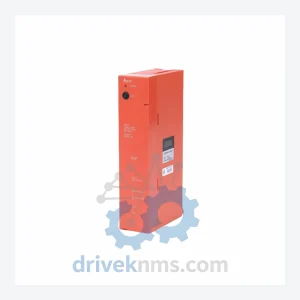
Mitsubishi MELSEC A-Series Power Supply Modules: A61P
Mitsubishi Electric A61P is listed for MELSEC A RFQ review. Confirm quantity, condition and destination before quotation.
RFQ-ready industrial model
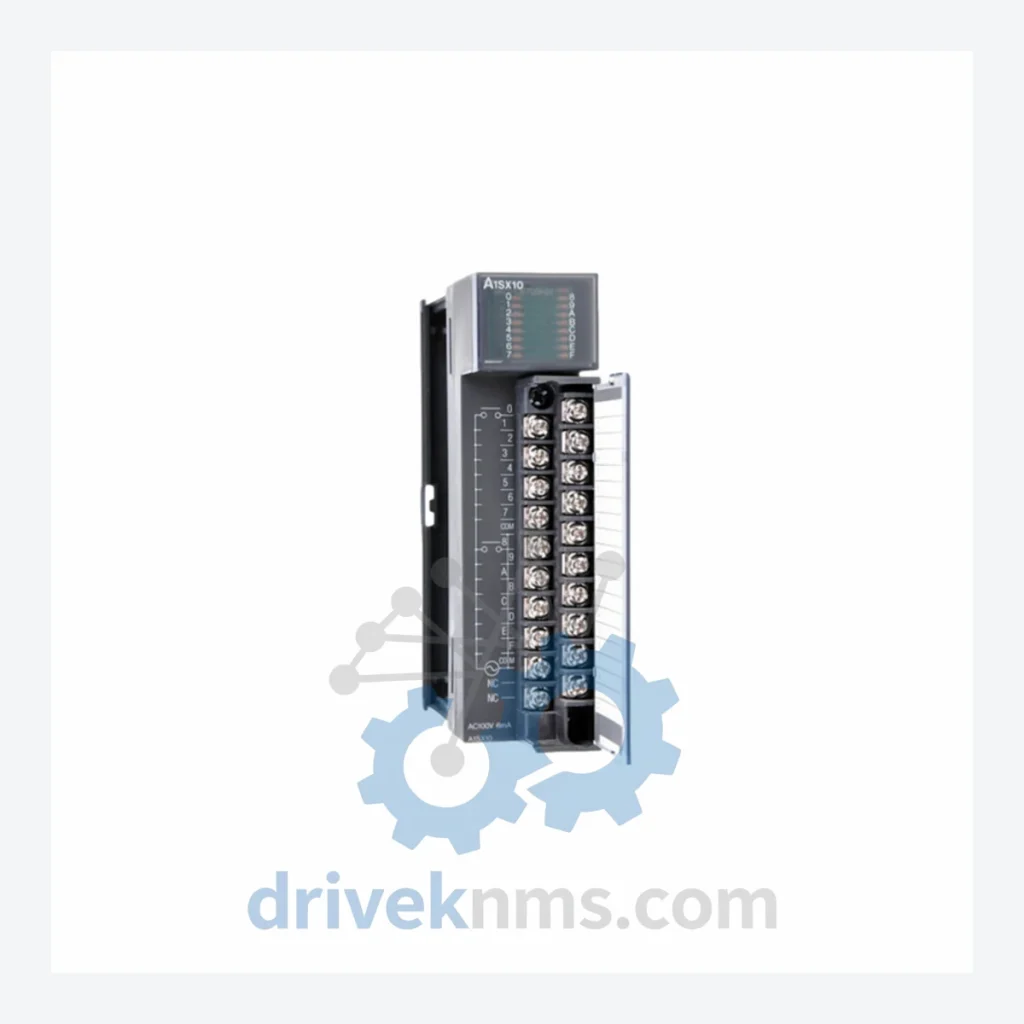
Model: A1Sx10
Product Overview
Commercial availability is handled through direct RFQ, model verification and export-oriented follow-up rather than public cart checkout.
Datasheet Preview
Use attached product manuals when available. If the manual is not public yet, request the full file directly through RFQ.
Commercial Path
Product pages on DRIVEKNMS are designed to verify model, brand and series first, then move the buyer into one clean quotation path.
Technical Dossier
RFQ support for obsolete parts: Send the model number, required quantity and destination so DriveKNMS can confirm sourcing options before quotation.
| Parameter | Detail |
|---|---|
| Part Number | A1SX10 |
| Manufacturer | Mitsubishi Electric |
| Series | MELSEC A-Series (A1S Slim Line) |
| Module Type | AC Digital Input (Local Unit) |
| Input Type | AC (100–120V AC) |
| Number of Input Points | 16 points |
| Compatibility | Mitsubishi MELSEC A-Series base units (A1S, A2S, A2AS, A3A, etc.) |
| Product Status | Discontinued / Obsolete – No longer in production |
| Country of Origin | Japan |
Note: Electrical parameters are sourced from Mitsubishi Electric official documentation. No parameters have been assumed or extrapolated. If your application requires confirmation of additional specifications, contact our technical team before ordering.
The MELSEC A-Series was Mitsubishi Electric's dominant PLC platform across heavy industry, automotive assembly, food processing, and utilities throughout the 1980s and 1990s. Tens of thousands of these systems remain in active service globally — not because operators are unaware of the discontinuation, but because the cost and risk of migration outweigh the cost of maintenance, provided spare parts remain accessible.
The A1SX10 is a local I/O module, meaning it handles the physical interface between field devices and the CPU. In a legacy A-Series rack, there is no modern substitute that installs without hardware and software reconfiguration. The module's slot assignment, I/O addressing, and ladder logic references are all tied to its physical position and type. Replacing it with a non-identical module requires engineering intervention at the PLC program level — a process that introduces risk, requires certified personnel, and demands a full recommissioning cycle.
Facilities operating MELSEC A-Series systems can realistically extend operational life by five to ten years through a structured spare parts strategy, without committing to a full migration. The following approach is used by maintenance teams managing high-value legacy assets:
1. Critical I/O Module Inventory: Identify every I/O module type installed across all racks. Maintain a minimum of one verified spare per unique module type. The A1SX10, as an AC input module, is among the highest-failure-risk components due to its exposure to AC line voltage and the age of installed units.
2. CPU and Power Supply Redundancy: The A1SCPU and A1S61PN power supply are the two components whose failure results in complete system shutdown. These should be prioritized in any spare parts budget.
3. Scheduled Preventive Inspection: Legacy A-Series modules should be inspected annually for electrolytic capacitor swelling, terminal corrosion, and relay contact wear. Modules showing early degradation should be rotated out before failure, not after.
4. Firmware and Configuration Backup: Maintain current backups of all PLC programs, parameter files, and I/O assignments. In the event of a CPU replacement, a verified backup eliminates the risk of program loss.
5. Supplier Qualification: Not all sources for obsolete Mitsubishi modules are equal. Counterfeit and non-functional units circulate in the secondary market. Establish a relationship with a qualified supplier — one that performs incoming inspection and provides documented condition reports — before you need an emergency replacement.
This strategy does not require capital investment in new hardware. It requires discipline, documentation, and access to a reliable supply chain for legacy components.
Every A1SX10 unit processed by DriveKNMS undergoes a structured 5-step inspection protocol before it is offered for sale:
Step 1 – Visual and Mechanical Inspection: Full examination of the module housing, connector pins, and PCB surface. Units with cracked housings, bent pins, or evidence of physical damage are rejected at this stage.
Step 2 – Electrolytic Capacitor Assessment: Legacy modules of this age are at elevated risk of capacitor degradation. Each unit is inspected for capacitor bulging, electrolyte leakage, and ESR deviation. Capacitors showing measurable degradation are replaced with specification-matched components before the unit is cleared.
Step 3 – Terminal and Contact Corrosion Check: Input terminals and backplane connector contacts are inspected under magnification for oxidation and corrosion. Affected contacts are cleaned and treated; units with irreversible contact damage are rejected.
Step 4 – Firmware and Label Verification: Module identification labels, revision markings, and any embedded firmware identifiers are verified against Mitsubishi Electric documentation to confirm authenticity and revision level.
Step 5 – Functional Test: Where test equipment is available for the specific module type, units are powered and input response is verified prior to shipment.
Units that do not pass all five steps are not listed for sale. Condition is documented and disclosed at the time of quotation.
Drop-in Replacement: The A1SX10 installs directly into any compatible A-Series base unit slot. No hardware modification, no wiring changes, no PLC program edits required. The replacement is transparent to the control system.
No Reprogramming Required: Because the A1SX10 is an identical replacement, the existing ladder logic, I/O assignments, and HMI configurations remain valid. There is no recommissioning cost and no requirement for a certified Mitsubishi engineer to validate the installation.
Avoids Engineering Reconstruction Costs: A non-identical replacement — or a migration to a current-generation platform — requires full I/O remapping, program modification, and system validation. For a single module replacement, these costs are disproportionate. The A1SX10 eliminates them entirely.
Q: How do I know the unit is genuine and not a counterfeit?
A: All units are inspected against Mitsubishi Electric documentation for label authenticity, revision markings, and PCB characteristics. We do not source from unverified brokers. If you require additional authentication documentation, request it at the time of inquiry.
Continue The Model Path
Move from this exact model into the matching system hub, brand archive, model-family archive or lifecycle sourcing route before sending a final RFQ list.
Related Paths
Mitsubishi Electric A61P is listed for MELSEC A RFQ review. Confirm quantity, condition and destination before quotation.
Mitsubishi Electric AJ71UC24 is listed for MELSEC A RFQ review. Confirm quantity, condition and destination before quotation.
Mitsubishi Electric AY13 is listed for MELSEC A RFQ review. Confirm quantity, condition and destination before quotation.