
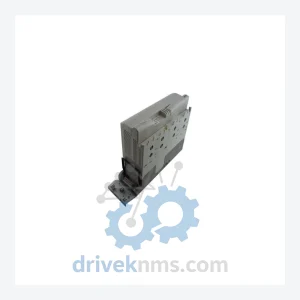
Omron OPIC1 Photoelectric Sensor Controller – Obsolete Spare Part
Omron OPIC1 is listed for PLC Modules RFQ review. Confirm quantity, condition and destination before quotation.
RFQ-ready industrial model
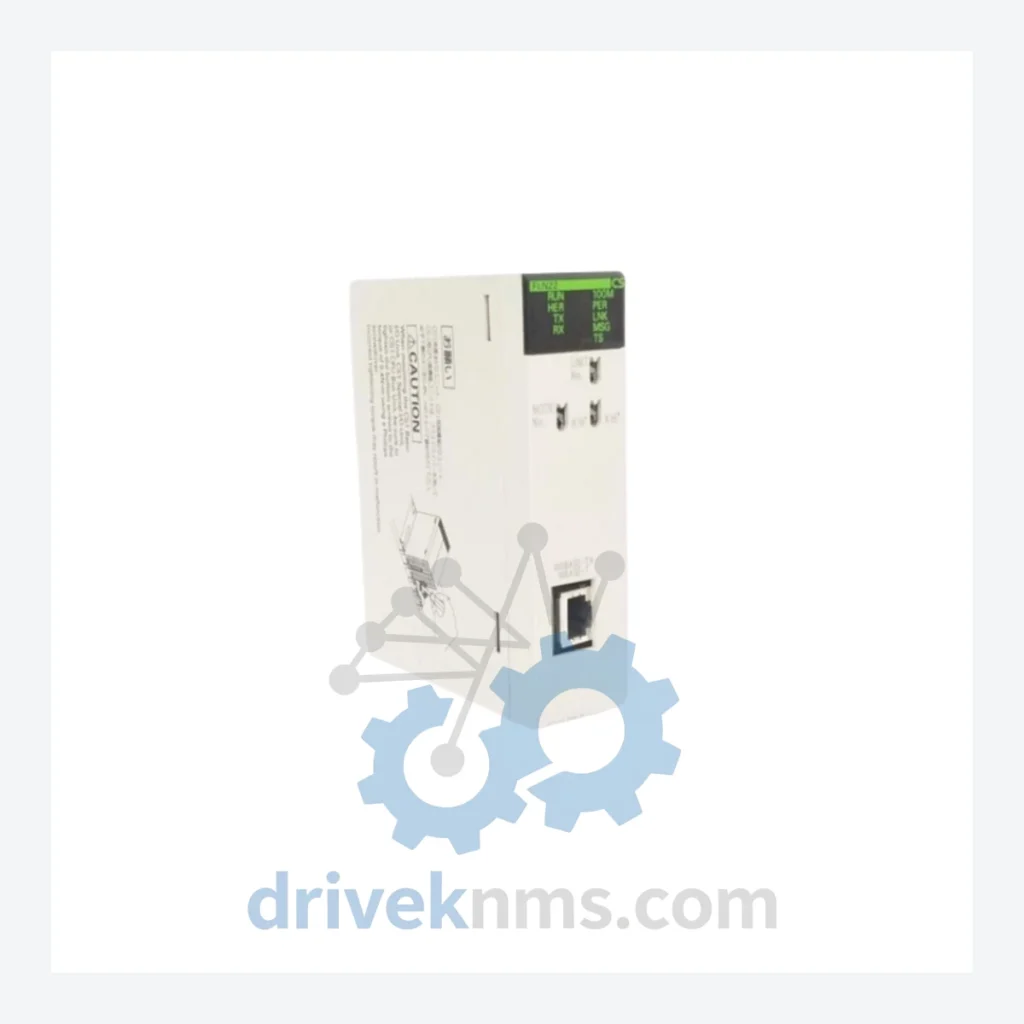
Model: CS1W-FLN22
Product Overview
Commercial availability is handled through direct RFQ, model verification and export-oriented follow-up rather than public cart checkout.
Datasheet Preview
Use attached product manuals when available. If the manual is not public yet, request the full file directly through RFQ.
Commercial Path
Product pages on DRIVEKNMS are designed to verify model, brand and series first, then move the buyer into one clean quotation path.
Technical Dossier
RFQ support for obsolete parts: Send the model number, required quantity and destination so DriveKNMS can confirm sourcing options before quotation.
| Part Number | CS1W-FLN22 |
| Brand | Omron |
| Series | CS1 (CS-series PLC) |
| Function | DeviceNet Master Unit |
| Network | DeviceNet (CAN-based fieldbus) |
| Country of Origin | Japan |
| Discontinuation Status | Discontinued / Obsolete – No longer manufactured by Omron |
| Compatible PLC Backplane | Omron CS1 Series (CS1G, CS1H) |
Note: Electrical parameters not listed here are not independently verified. DriveKNMS does not publish unconfirmed specifications. Contact us for datasheet support.
For facilities where the CS1 PLC controls validated processes — particularly in regulated industries — a platform migration is not a maintenance-budget decision. It requires change control documentation, revalidation, and in some cases regulatory re-approval. The cost and timeline make surplus sourcing the only operationally viable path in the short to medium term.
DriveKNMS applies a structured 5-step inspection protocol to all discontinued modules before dispatch review:
Condition grades (New, Refurbished-Grade-A, Tested-Used) are disclosed at the time of quotation. No unit ships without a documented inspection record.
Plant managers operating CS1-series PLC infrastructure face a structural challenge: the control platform is stable and well-understood by site engineers, but OEM support has ended. The following approach has been applied successfully in facilities that have extended CS1 system life by a decade or more without a full platform migration.
3. Implement a scheduled inspection cycle. Legacy PLC modules do not fail randomly — they degrade. Electrolytic capacitors have a finite service life, typically 10–15 years at rated temperature. A biennial inspection of installed modules, with proactive replacement of units showing early degradation signs, is more cost-effective than reactive replacement after failure.
4. Document firmware and configuration baselines. Maintain a current backup of all PLC project files, including DeviceNet network configuration. This is the single most important step to ensure that a hardware replacement can be completed within hours rather than days.
This approach does not require capital expenditure approval. It is an operational maintenance strategy that protects existing capital assets and defers discretionary spending on platform migration until the business case is genuinely compelling.
Q: Is the CS1W-FLN22 compatible with both CS1G and CS1H backplanes?
A: The CS1W-FLN22 is designed for the CS1-series backplane. Compatibility with your specific configuration should be confirmed against your system's unit arrangement documentation before ordering.
Continue The Model Path
Move from this exact model into the matching system hub, brand archive, model-family archive or lifecycle sourcing route before sending a final RFQ list.
Related Paths
Omron OPIC1 is listed for PLC Modules RFQ review. Confirm quantity, condition and destination before quotation.
Omron E5EK-PRR2-500 is listed for E5EK Series RFQ review. Confirm quantity, condition and destination before quotation.
Omron CP1W-8ER is listed for PLC Modules RFQ review. Confirm quantity, condition and destination before quotation.