Products / Omron / Obsolete Spare Part
Omron Obsolete Spare Part

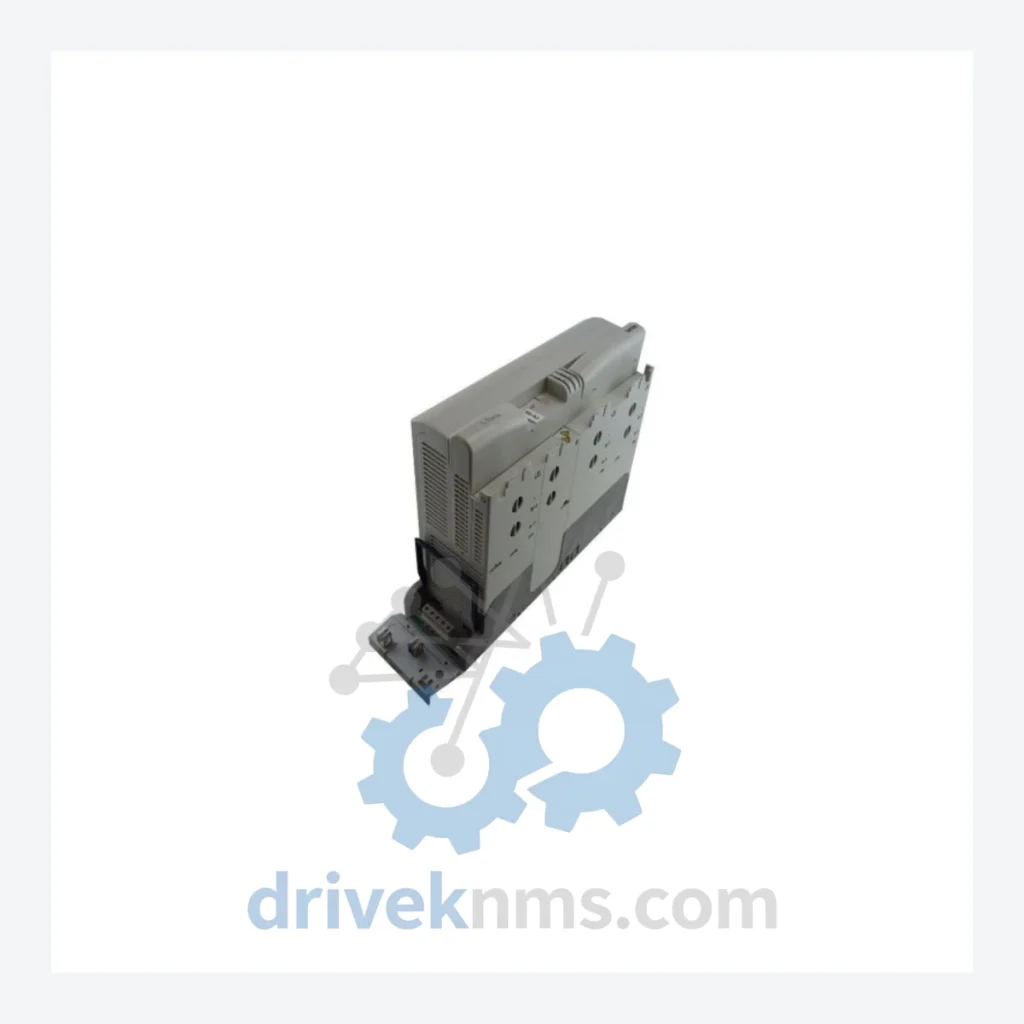
Omron OPIC1 Photoelectric Sensor Controller – Obsolete Spare Part

Model: OPIC1

Brand Omron
Series Obsolete Spare Part
Model OPIC1
RFQ-ready model route Obsolete and surplus sourcing Export follow-up by model list

Product Overview

Commercial availability is handled through direct RFQ, model verification and export-oriented follow-up rather than public cart checkout.

Datasheet Preview

Datasheet Preview

Use attached product manuals when available. If the manual is not public yet, request the full file directly through RFQ.

Request Full Manual

Commercial Path

Use This Page To Confirm The Model, Then Move To RFQ

Product pages on DRIVEKNMS are designed to verify model, brand and series first, then move the buyer into one clean quotation path.

Technical Dossier

Product Details And Specifications

Omron OPIC1 Photoelectric Sensor Controller – Obsolete Spare Part

When an Omron OPIC1 controller fails on an active production line, the consequences extend far beyond a single module replacement. This component is embedded in legacy photoelectric sensing architectures that, once disrupted, can force a full-system re-engineering project — a process that routinely costs manufacturers between $500,000 and several million dollars when factoring in new PLC integration, rewiring, re-commissioning, operator retraining, and unplanned downtime. DriveKNMS maintains verified stock of the OPIC1 specifically to prevent that scenario. This is not a commodity listing. It is a supply chain contingency for facilities that cannot afford to let a discontinued module become a production stoppage.

Technical Specifications

Parameter Detail
Part Number OPIC1
Manufacturer Omron
Product Category Photoelectric Sensor Controller / Amplifier Unit
Series OPIC Series
Country of Origin Japan
Discontinuation Status Discontinued / Obsolete – No longer in Omron active production
Typical Application Fiber optic amplifier control, photoelectric detection in automated assembly lines
Compatible Systems Legacy Omron C-series and CVM1 PLC environments; older SYSMAC-based control architectures

Note: Electrical parameters such as supply voltage, output configuration, and response time are not published here to avoid inaccurate specifications. Confirmed datasheets are available upon request.

Solving the Discontinued Hardware Crisis

The OPIC1 was designed for integration into Omron's legacy photoelectric sensing ecosystems, commonly deployed in automotive body assembly, semiconductor wafer handling, food and beverage packaging lines, and precision electronics manufacturing. These environments built their detection logic around the OPIC1's specific signal conditioning behavior. Replacing it with a current-generation amplifier unit is not a drop-in exercise — it requires recalibration of detection thresholds, potential modification of mounting brackets, and in many cases, firmware-level adjustments to the host PLC.

For plant engineers managing facilities built in the 1990s through early 2000s, the OPIC1 represents a structural dependency. The module is not interchangeable with newer Omron E3X or E3NX series amplifiers without engineering intervention. Facilities that have not secured buffer stock face a binary choice when failure occurs: locate a verified used or new-old-stock unit within days, or commit to a system upgrade that was not budgeted and was not planned.

The industrial reality is that most plant capital budgets do not accommodate unplanned automation overhauls. A single OPIC1 unit sourced from DriveKNMS's verified inventory can defer that capital expenditure by 5 to 10 years — provided the unit is genuine, properly stored, and functionally tested before shipment.

Condition & Reliability Assurance

Every OPIC1 unit processed through DriveKNMS undergoes a structured 5-step quality verification protocol before it is offered for sale:

  • Step 1 – Visual and Physical Inspection: Housing integrity check, connector pin examination for corrosion, oxidation, or mechanical deformation. Units with compromised housings are rejected at intake.
  • Step 2 – Electrolytic Capacitor Assessment: Internal capacitors are evaluated for signs of aging, bulging, or electrolyte leakage — a primary failure mode in components stored beyond 10 years.
  • Step 3 – Firmware and Label Verification: Where applicable, firmware revision markings and production date codes are cross-referenced against known authentic Omron production batches.
  • Step 4 – Pin and Contact Integrity Test: All interface pins are tested for continuity and resistance consistency. Corroded or high-resistance contacts are flagged and the unit is either reconditioned or rejected.
  • Step 5 – Functional Bench Test: Units are powered and tested under controlled conditions to verify basic operational response before packaging.

Units that do not pass all five stages are not listed for sale. Condition grade (New Old Stock, Tested Refurbished, or Inspected Used) is disclosed at the time of quotation.

Key Features for System Maintenance

  • Drop-in replacement: The OPIC1 installs directly into existing mounting positions without mechanical modification in standard configurations.
  • No reprogramming required: Compatible units restore detection function without requiring PLC program changes in most legacy Omron SYSMAC environments.
  • Avoids engineering overhaul costs: Sourcing a verified OPIC1 unit eliminates the need for sensor system redesign, rewiring, and recommissioning — costs that routinely exceed the value of the original equipment.
  • Long-term asset protection: Maintaining a buffer stock of 2–3 OPIC1 units provides a facility with a credible 5–10 year operational runway without capital investment in system replacement.
  • Documented supply chain: DriveKNMS provides sourcing documentation and condition reports to support internal maintenance records and audit requirements.

FAQ

What warranty applies to an obsolete part like the OPIC1?
DriveKNMS provides a 90-day functional warranty on all tested and refurbished units. New Old Stock units are offered with a 30-day DOA (Dead on Arrival) guarantee. Warranty terms are confirmed in writing at the time of sale.

How do I know the unit is genuine and not counterfeit?
All units are sourced through documented industrial channels. Physical markings, date codes, and construction details are cross-referenced against known Omron production standards. We do not source from unverified secondary markets. Inspection reports are available upon request.

Should I buy more than one unit?
For any facility running active production lines dependent on the OPIC1, holding a minimum of two spare units is the standard recommendation. Given that this part is discontinued and global inventory is finite, procurement delays of 6–18 months are not uncommon once current stock is depleted. The cost of a spare unit is a fraction of one hour of unplanned line downtime.

Can you source additional quantity if I need more than one?
Submit your quantity requirement to our team. DriveKNMS maintains sourcing relationships across multiple verified industrial surplus channels and will provide a consolidated availability report within 2 business days.

WhatsApp Prefilled Inquiry Email sale@driveknms.com Phone +86 18359293191 Top Back To Top