
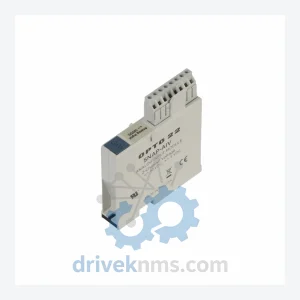
OPTO 22 SNAP-AIV Analog Input Module – Obsolete SNAP I/O Spare Part
Opto 22 SNAP-AIV is listed for Monitoring Systems RFQ review. Confirm quantity, condition and destination before quotation.
RFQ-ready industrial model
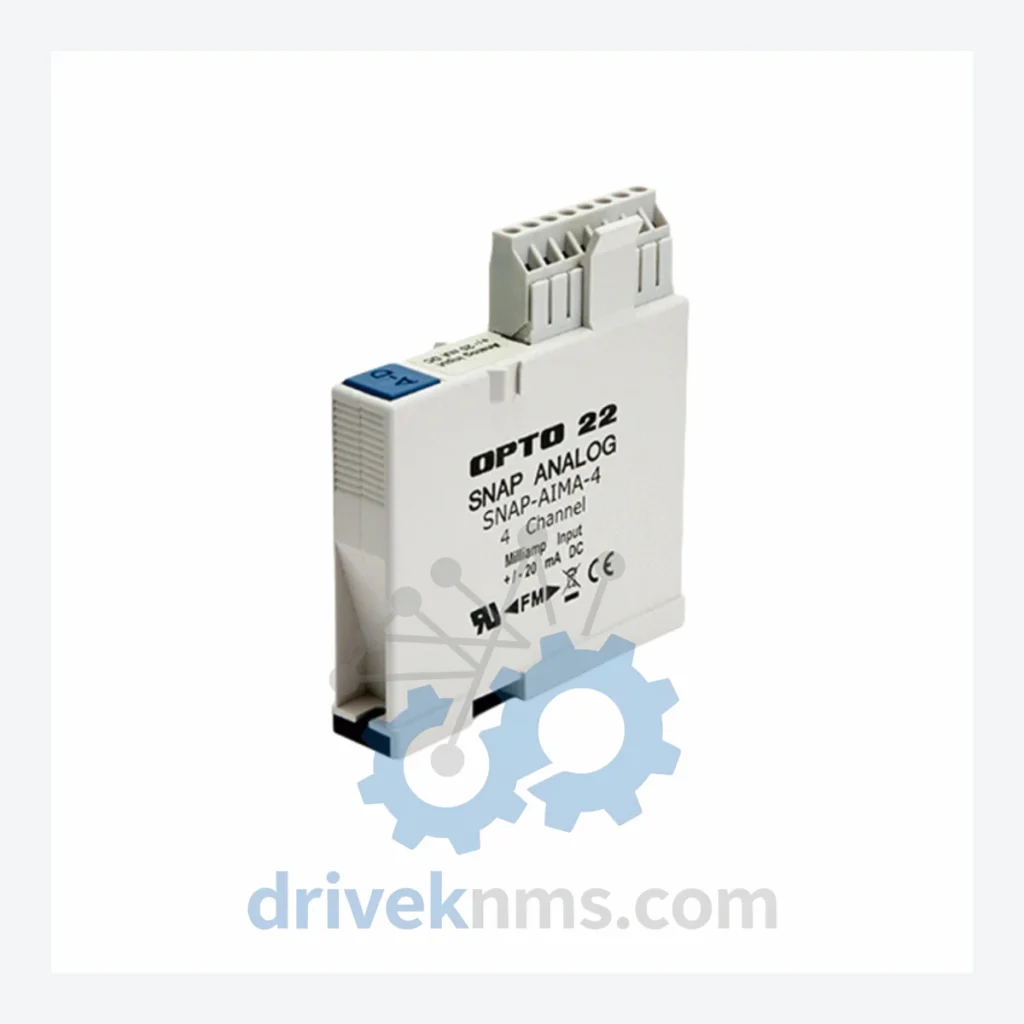
Model: SNAP-AIMA-I
Product Overview
Commercial availability is handled through direct RFQ, model verification and export-oriented follow-up rather than public cart checkout.
Datasheet Preview
Use attached product manuals when available. If the manual is not public yet, request the full file directly through RFQ.
Commercial Path
Product pages on DRIVEKNMS are designed to verify model, brand and series first, then move the buyer into one clean quotation path.
Technical Dossier
RFQ support for obsolete parts: Send the model number, required quantity and destination so DriveKNMS can confirm sourcing options before quotation.
| Parameter | Detail |
|---|---|
| Manufacturer | Opto 22 |
| Part Number | SNAP-AIMA-I |
| Series | SNAP Analog I/O |
| Module Type | Analog Current Input |
| Input Signal Range | 4–20 mA (industry standard current loop) |
| Compatible Mounting | Opto 22 SNAP mounting racks (4-channel and 16-channel) |
| Compatible Controllers | SNAP PAC S-series, SNAP PAC R-series, SNAP Ultimate controllers |
| Production Status | Discontinued – no longer manufactured by Opto 22 |
| Country of Origin | United States |
Q: How are RFQ terms confirmed?
A: Quantity, required condition, documentation needs, destination and sourcing route are confirmed during RFQ review before quotation.
When this module reaches end of life through failure or damage, the facility faces a binary choice: source a replacement module and maintain the existing validated control architecture, or commit to a full system migration. For any facility operating under regulatory validation requirements — FDA 21 CFR Part 11, ATEX zone classifications, or ISA-99 cybersecurity frameworks — a platform migration is not a simple procurement decision. It triggers re-validation cycles, engineering change orders, and extended production holds.
Sourcing a verified SNAP-AIMA-I extends the operational life of the existing system by 5 to 10 years at a fraction of the migration cost. For a facility running 24/7 continuous process operations, that calculation is straightforward. The module cost is measured in hundreds of dollars. The avoided migration cost is measured in millions.
The SNAP-AIMA-I is commonly found in systems paired with Opto 22 SNAP PAC S1, S2, and R1 controllers, as well as older SNAP Ultimate brain boards. These controllers remain in active service across thousands of installations globally, and the installed base creates sustained demand for analog I/O modules that the OEM no longer fulfills through standard channels.
DriveKNMS applies a structured 5-step quality assurance process to all sourced SNAP-AIMA-I units before dispatch review:
For facilities with multiple SNAP installations across sites, a centralized spare parts program managed through a single sourcing relationship with DriveKNMS provides consistent quality assurance, documented chain of custody, and predictable procurement costs — without the overhead of managing multiple spot-buy relationships with unverified surplus dealers.
The decision to maintain a legacy system is a capital allocation decision. The data consistently supports maintenance over migration for systems with 5–10 years of remaining process life, provided that verified spare parts remain accessible. DriveKNMS exists specifically to keep that option viable.
Q: Can you support multi-unit or repeat RFQ requests?
A: Yes. Send the model list, target quantity and destination so DRIVEKNMS can review sourcing options and quote the requirement as a project RFQ.
Do you ship internationally?
Yes. DriveKNMS ships globally with full export documentation. DDP and DAP Incoterms are available for most destinations.
Continue The Model Path
Move from this exact model into the matching system hub, brand archive, model-family archive or lifecycle sourcing route before sending a final RFQ list.
Related Paths
Opto 22 SNAP-AIV is listed for Monitoring Systems RFQ review. Confirm quantity, condition and destination before quotation.
Opto 22 001818K AC24 AT is listed for AC24 Series RFQ review. Confirm quantity, condition and destination before quotation.
Opto 22 SNAP-PS5 is listed for Monitoring Systems RFQ review. Confirm quantity, condition and destination before quotation.