
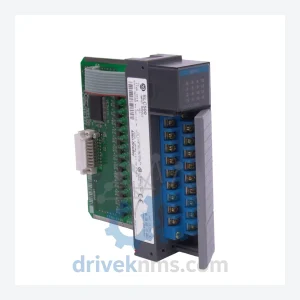
Allen-Bradley 1746-ITV16 DC Input Module – Obsolete SLC 500 Spare Part
Allen-Bradley 1746-ITV16 is listed for SLC 500 RFQ review. Confirm quantity, condition and destination before quotation.
RFQ-ready industrial model
Model: 1794-OA16
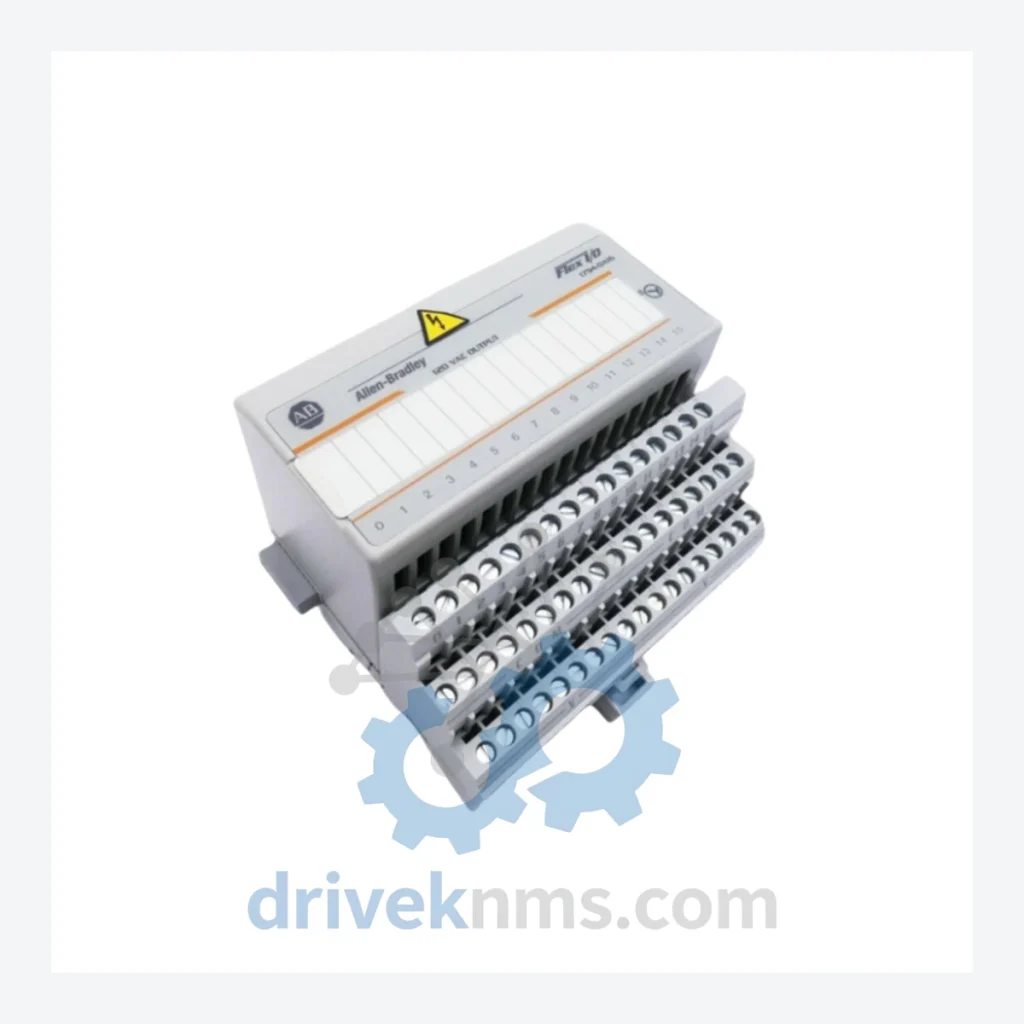
Product Overview
Commercial availability is handled through direct RFQ, model verification and export-oriented follow-up rather than public cart checkout.
Datasheet Preview
Use attached product manuals when available. If the manual is not public yet, request the full file directly through RFQ.
Commercial Path
Product pages on DRIVEKNMS are designed to verify model, brand and series first, then move the buyer into one clean quotation path.
Technical Dossier
The platform communicates natively over ControlNet, DeviceNet, EtherNet/IP, PROFIBUS-DP, and Remote I/O, making it compatible with a broad range of Rockwell Automation control architectures including PLC-5, SLC 500, and ControlLogix/CompactLogix systems. Each adapter supports up to eight I/O modules on a single terminal base assembly, with the system supporting both local and remote rack configurations.
The 1794 FLEX I/O architecture was introduced by Allen-Bradley (subsequently acquired by Rockwell Automation in 1985 and fully rebranded by the early 2000s) as a response to the growing demand for distributed I/O in space-constrained panel environments. The original platform launched with ControlNet and Remote I/O adapters, targeting SLC 500 and PLC-5 host controllers that dominated North American process industries through the 1990s.
The first-generation modules used a 24-pin DIN rail-mounted terminal base with a proprietary backplane bus. Subsequent revisions introduced enhanced diagnostics, HART pass-through capability on analog modules, and conformally coated variants for high-humidity environments. The introduction of EtherNet/IP adapters (1794-AENT, 1794-AENTR) in the 2000s extended the platform's relevance into the ControlLogix era, allowing existing FLEX I/O field wiring to be retained while migrating the control layer to modern Logix processors.
As of 2024, the majority of 1794 series modules are classified by Rockwell Automation as Active — Mature or End of Life. Replacement migration paths typically point toward the 1794 FLEX 5000 (5094 series) or Compact 5000 I/O (5069 series). However, the scale of the installed base — particularly in facilities with 15–25 year asset lifecycles — means that demand for original 1794 modules remains structurally persistent. Facilities operating under IEC 61511 functional safety frameworks or NRC-regulated environments frequently cannot execute platform migrations without full safety re-validation, making long-term spare parts availability a non-negotiable operational requirement.
Digital Output Modules
Digital Input Modules
Analog I/O Modules
Communication Adapters
Common hard-to-find 1794 series items include the 1794-ACN15 (ControlNet adapter, discontinued), 1794-IF4I (isolated analog input), and high-density digital modules such as the 1794-IB32. Inquiries for these items should include quantity, required delivery window, and acceptable condition (new, refurbished, or tested surplus).
The 1794 FLEX I/O platform presents specific test challenges due to its backplane bus architecture, where the I/O module and terminal base form an integrated electrical assembly. DriveKNMS employs a dedicated test bench configured with a 1794-AENT adapter and ControlLogix L7x processor to perform functional validation of all 1794 modules prior to shipment.
The test protocol for digital output modules (including the 1794-OA16) includes: point-by-point output activation verification, load current measurement at rated output, isolation resistance testing between output groups, and backplane communication integrity check via RSLogix 5000 / Studio 5000 online diagnostics. Analog modules undergo additional calibration verification against NIST-traceable reference standards, with as-found and as-left calibration data recorded. Modules exhibiting backplane connector wear, cracked housing, or failed self-test routines are quarantined and not offered for sale.
Continue The Model Path
Move from this exact model into the matching system hub, brand archive, model-family archive or lifecycle sourcing route before sending a final RFQ list.
Related Paths
Allen-Bradley 1746-ITV16 is listed for SLC 500 RFQ review. Confirm quantity, condition and destination before quotation.
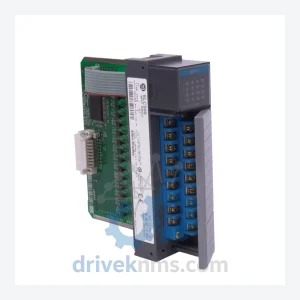
Allen-Bradley 1746-IO12 is listed for SLC 500 RFQ review. Confirm quantity, condition and destination before quotation.
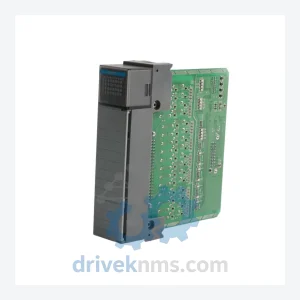
Allen-Bradley 1746-OW4 is listed for SLC 500 RFQ review. Confirm quantity, condition and destination before quotation.