
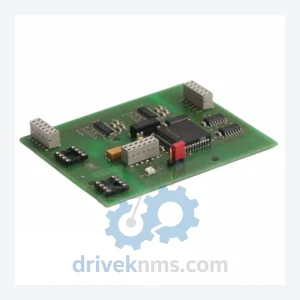
Saia PCD2 Modules PCD2.K110
SAIA-Burgess PCD2.K110 is listed for Controller Cards RFQ review. Confirm quantity, condition and destination before quotation.
RFQ-ready industrial model
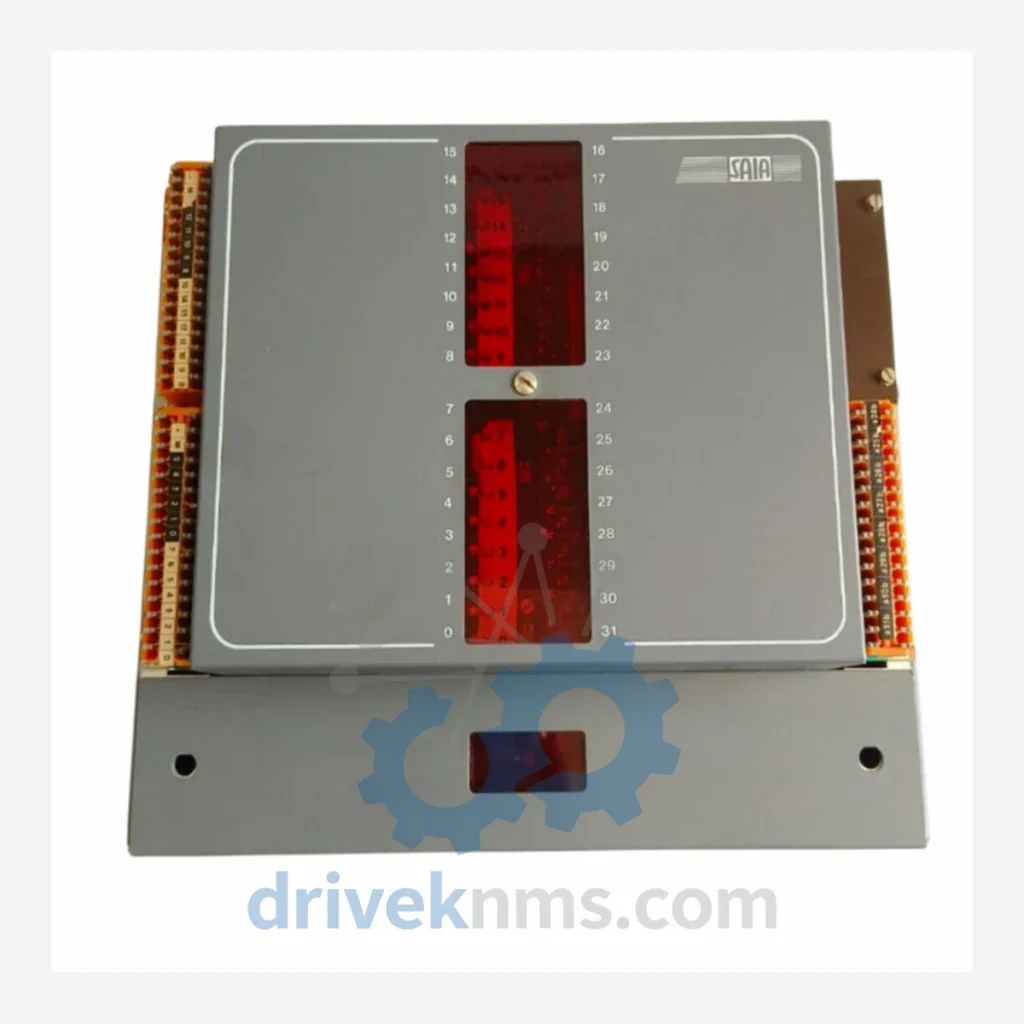
Model: PCA1.M41M4
Product Overview
Commercial availability is handled through direct RFQ, model verification and export-oriented follow-up rather than public cart checkout.
Datasheet Preview
Use attached product manuals when available. If the manual is not public yet, request the full file directly through RFQ.
Commercial Path
Product pages on DRIVEKNMS are designed to verify model, brand and series first, then move the buyer into one clean quotation path.
Technical Dossier
The Saia PCD platform originated in the 1980s as a modular PLC architecture targeting European industrial automation markets. The PCA1 designation identifies a specific processor board form factor within the PCD1/PCD2/PCD3 chassis family. Early PCA1 variants operated on proprietary Saia instruction sets with serial communication via RS-232/RS-485. Subsequent generations introduced PROFIBUS-DP master/slave capability, Ethernet TCP/IP connectivity, and expanded memory addressing. The PCA1.M41M4 represents a mature iteration with 512 KB program memory, integrated real-time clock, and support for up to 4 communication ports. Compatibility across PCD chassis generations is not universal: PCA1 boards are mechanically and electrically specific to their designated chassis backplane. Migration from PCA1 to PCD3.M5560 or PCD3.M6560 processors requires firmware re-compilation and I/O address remapping. For installations where chassis replacement is not feasible, PCA1 board-level repair and tested-used sourcing remain the primary lifecycle extension strategies. The PCD platform has entered a mature/maintenance phase; Saia-Burgess (now part of Honeywell) continues to supply spare parts but new PCA1 processor development has ceased, making secondary market sourcing critical for long-term site support.
CPU / Processor Modules
Digital I/O Modules
Communication & Network Modules
Power Supply Modules
Continue The Model Path
Move from this exact model into the matching system hub, brand archive, model-family archive or lifecycle sourcing route before sending a final RFQ list.
Related Paths
SAIA-Burgess PCD2.K110 is listed for Controller Cards RFQ review. Confirm quantity, condition and destination before quotation.
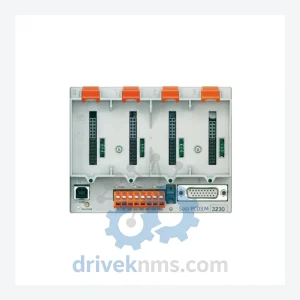
SAIA-Burgess PCD3.M3230 is listed for S-Series PLC RFQ review. Confirm quantity, condition and destination before quotation.
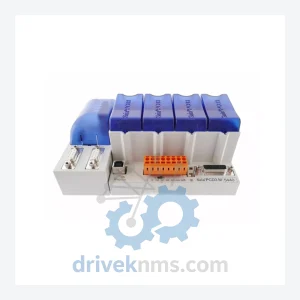
SAIA-Burgess PCD3.C100 is listed for PCD3 Series RFQ review. Confirm quantity, condition and destination before quotation.