
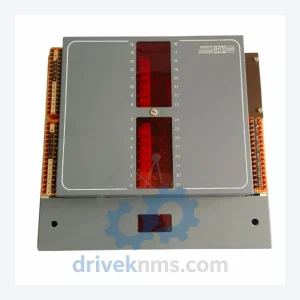
Saia PCD PCA1 Modules SAIA PCA1.M41M4
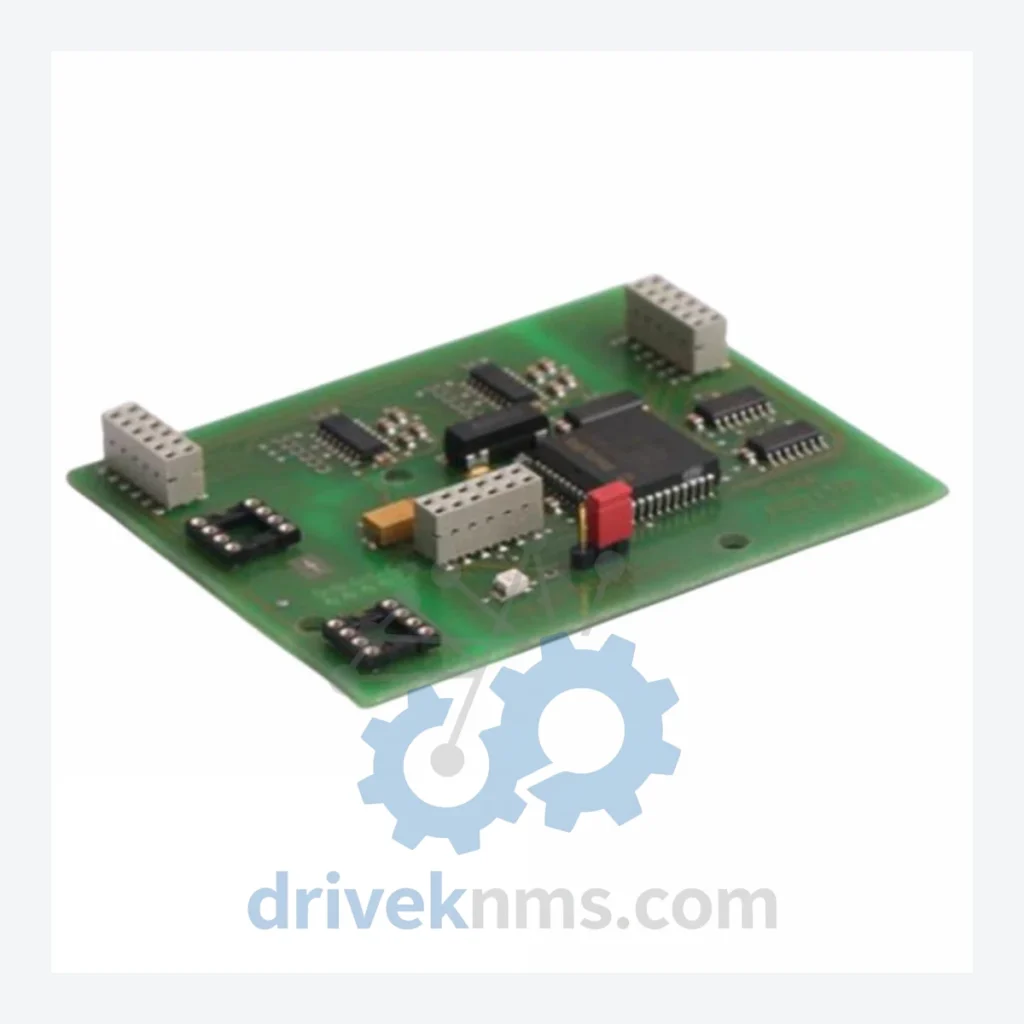
SAIA-Burgess PCA1.M41M4 is listed for Controller Cards RFQ review. Confirm quantity, condition and destination before quotation.
RFQ-ready industrial model
Model: PCD2.K110
Product Overview
Commercial availability is handled through direct RFQ, model verification and export-oriented follow-up rather than public cart checkout.
Datasheet Preview
Use attached product manuals when available. If the manual is not public yet, request the full file directly through RFQ.
Commercial Path
Product pages on DRIVEKNMS are designed to verify model, brand and series first, then move the buyer into one clean quotation path.
Technical Dossier
The Saia-Burgess PCD2 is a mid-range programmable controller platform deployed across heavy industrial sectors including petrochemical processing, nuclear power auxiliary systems, oil refinery automation, water treatment infrastructure, and building management systems. Manufactured in Switzerland by Saia-Burgess Controls AG (now part of Honeywell), the PCD2 platform holds a significant installed base across Europe, the Middle East, and Asia-Pacific. Its modular backplane architecture supports mixed I/O configurations, enabling system integrators to construct compact yet scalable control nodes without full rack replacement. The PCD2 remains operational in thousands of legacy installations where full migration to successor platforms (PCD3, PCD7) is deferred due to capital constraints or process continuity requirements.
The PCD2 platform was introduced in the early 1990s as a successor to the PCD1 compact controller, extending addressable I/O capacity and introducing a structured backplane bus. Early revisions used proprietary S-Bus communication over RS-485, which remains the dominant fieldbus in legacy PCD2 deployments. Mid-generation revisions introduced PROFIBUS-DP adapter modules, enabling integration with third-party field devices. Later firmware releases added Ethernet-based S-Bus (S-Bus over UDP/IP), allowing PCD2 CPUs to participate in supervisory SCADA networks without hardware replacement.
Compatibility constraints are a primary concern in PCD2 maintenance: CPU firmware versions must align with the PG5 programming software release used during original commissioning. Mixing module generations within a single rack requires verification of backplane bus protocol versions. The PCD2 has entered the mature/end-of-life phase of its product lifecycle; Saia-Burgess has transitioned active development to the PCD3 and PCD7 series. Spare parts and replacement modules are no longer manufactured in volume, making secondary-market sourcing the primary supply channel for ongoing maintenance.
CPU Modules
Digital Input Modules
Digital Output Modules
Analog I/O Modules
Communication & Fieldbus Modules
Power Supply Modules
Cable & Accessory
DriveKNMS maintains a dedicated inventory of decommissioned and refurbished PCD2 modules sourced from plant shutdowns, equipment upgrades, and controlled dismantling projects. For end-users operating PCD2-based systems beyond the manufacturer's active support window, DriveKNMS provides lifecycle extension services including: verified replacement modules with functional test documentation, cross-reference matching for discontinued part numbers, and advisory support for identifying compatible substitute modules within the PCD2 or PCD3 range. All obsolete PCD2 inventory is catalogued by firmware revision and hardware generation to ensure compatibility with existing rack configurations. Customers are advised to provide their current CPU firmware version and PG5 software release when requesting obsolete module sourcing.
Continue The Model Path
Move from this exact model into the matching system hub, brand archive, model-family archive or lifecycle sourcing route before sending a final RFQ list.
Related Paths
SAIA-Burgess PCA1.M41M4 is listed for Controller Cards RFQ review. Confirm quantity, condition and destination before quotation.
SAIA-Burgess PCD3.M3230 is listed for S-Series PLC RFQ review. Confirm quantity, condition and destination before quotation.
SAIA-Burgess PCD3.C100 is listed for PCD3 Series RFQ review. Confirm quantity, condition and destination before quotation.