
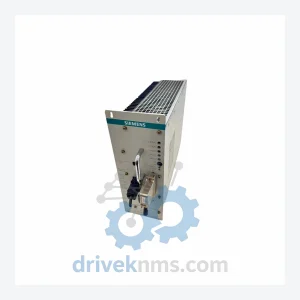
Siemens S31043 Rectifier Modules S31043-K1166-X
Siemens S31043-K1166-X is listed for Controller Cards RFQ review. Confirm quantity, condition and destination before quotation.
RFQ-ready industrial model
Model: 16180-500 PSMBXNAN
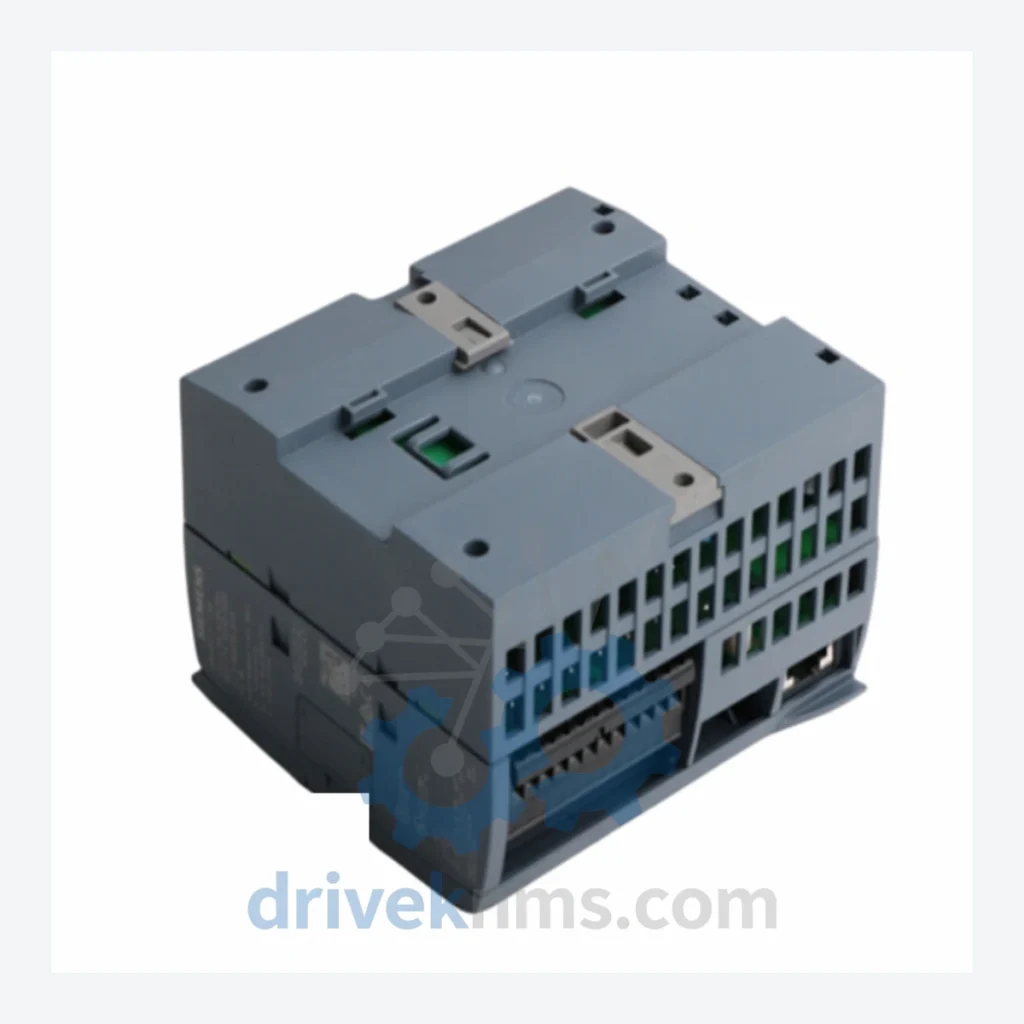
Product Overview
Commercial availability is handled through direct RFQ, model verification and export-oriented follow-up rather than public cart checkout.
Datasheet Preview
Use attached product manuals when available. If the manual is not public yet, request the full file directly through RFQ.
Commercial Path
Product pages on DRIVEKNMS are designed to verify model, brand and series first, then move the buyer into one clean quotation path.
Technical Dossier
The Siemens PSMBXNAN series represents a class of backplane and bus interface modules deployed within the Siemens SIMATIC / SINEC industrial automation architecture. These modules are installed across critical heavy-industry sectors including petrochemical refineries, nuclear power generation facilities, offshore platforms, and large-scale chemical processing plants. The PSMBXNAN designation identifies a specific bus extension and backplane management module family used to maintain signal integrity and inter-rack communication within multi-rack SIMATIC configurations. Their role in distributed control system (DCS) and programmable logic controller (PLC) architectures makes them long-lifecycle components with sustained demand in the maintenance and spare parts market. The 16180-500 PSMBXNAN is the primary catalog reference for this module within the Siemens 505 / Series 500 PLC platform.
The Siemens Series 500 / 505 PLC platform (originally developed under the Texas Instruments 500 Series lineage, later acquired and continued by Siemens) established a modular rack-based architecture in the 1980s that remained in active production deployment through the 2000s. The PSMBXNAN module family was introduced to address the need for extended backplane communication in multi-rack systems, where a single base rack could not accommodate all required I/O modules.
Early-generation backplane extenders in this platform used parallel bus topologies with strict distance limitations. The PSMBXNAN architecture evolved to support longer cable runs and improved noise immunity, critical for deployment in electrically noisy environments such as motor control centers and high-voltage switchgear rooms. As the Series 500/505 platform matured, Siemens introduced enhanced versions with improved diagnostics and fault isolation capabilities.
The platform has now entered its end-of-life and obsolescence phase. Siemens has transitioned customers toward the SIMATIC S7-300, S7-400, and S7-1500 families. However, the installed base of Series 500/505 systems in legacy plants remains substantial, and the PSMBXNAN module continues to be a critical spare part for facilities that cannot justify full system replacement. Compatibility between early and late revisions of the PSMBXNAN must be verified by hardware revision code before installation.
The following SKUs represent the documented Siemens Series 500/505 platform module catalog, encompassing CPU, I/O, communication, and power supply modules that operate within the same rack and backplane ecosystem as the 16180-500 PSMBXNAN:
Backplane & Bus Extension Modules
CPU Modules
Digital Input (DI) Modules
Digital Output (DO) Modules
Analog Input (AI) Modules
Analog Output (AO) Modules
Communication & Network Modules
Power Supply Modules
For facilities operating legacy Series 500/505 systems, DriveKNMS provides lifecycle extension support including: single-unit emergency replacement sourcing, bulk spare parts procurement for planned maintenance shutdowns, cross-reference identification for hardware revision compatibility, and long-term consignment inventory agreements for critical plant operators. All units are individually serialized and traceable through our internal inventory management system.
Each 16180-500 PSMBXNAN and associated Series 500/505 module processed by DriveKNMS undergoes a structured inspection and functional verification protocol prior to shipment:
Continue The Model Path
Move from this exact model into the matching system hub, brand archive, model-family archive or lifecycle sourcing route before sending a final RFQ list.
Related Paths
Siemens S31043-K1166-X is listed for Controller Cards RFQ review. Confirm quantity, condition and destination before quotation.
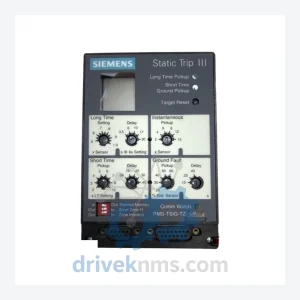
Siemens RMS-TSG-TZ-C is listed for Controller Cards RFQ review. Confirm quantity, condition and destination before quotation.
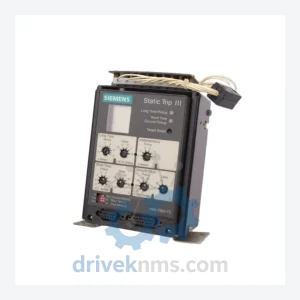
Siemens RMS-TSIG-TZ-C is listed for Controller Cards RFQ review. Confirm quantity, condition and destination before quotation.