
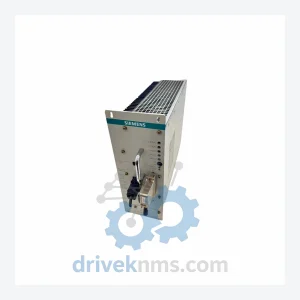
Siemens S31043 Rectifier Modules S31043-K1166-X
Siemens S31043-K1166-X is listed for Controller Cards RFQ review. Confirm quantity, condition and destination before quotation.
RFQ-ready industrial model
Model: 6DP1210-7AA
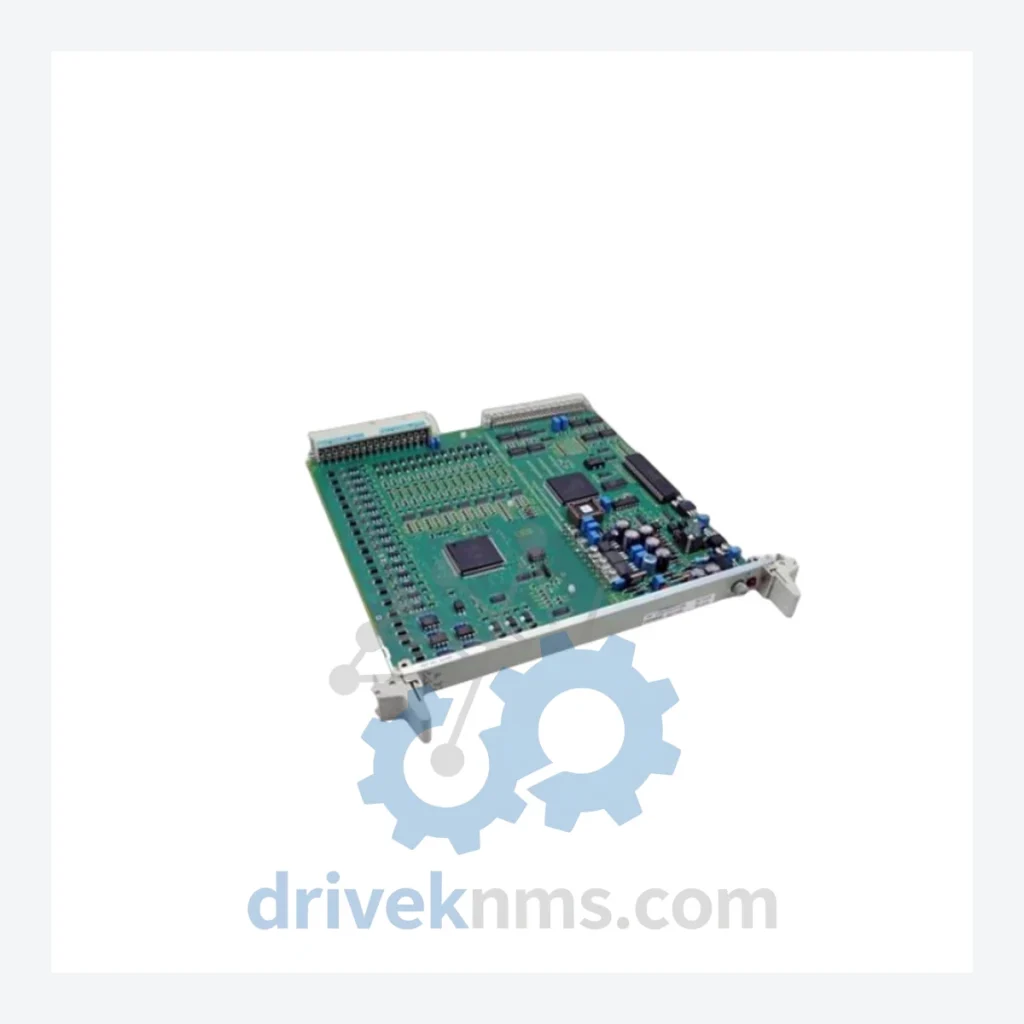
Product Overview
Commercial availability is handled through direct RFQ, model verification and export-oriented follow-up rather than public cart checkout.
Datasheet Preview
Use attached product manuals when available. If the manual is not public yet, request the full file directly through RFQ.
Commercial Path
Product pages on DRIVEKNMS are designed to verify model, brand and series first, then move the buyer into one clean quotation path.
Technical Dossier
RFQ support for obsolete parts: Send the model number, required quantity and destination so DriveKNMS can confirm sourcing options before quotation.
| Part Number | 6DP1210-7AA |
| Module Designation | FUM210 – Function Module |
| Manufacturer | Siemens AG |
| Product Family | TELEPERM M (AS230 / AS235 Automation Systems) |
| Country of Origin | Germany |
| Discontinuation Status | Officially discontinued – no longer manufactured or supported by Siemens |
| Compatible Systems | TELEPERM M AS230, AS235; legacy SIMATIC S5 integrated environments |
| Form Factor | Plug-in module for TELEPERM M subrack |
Note: Electrical parameters not listed here are not independently verified. DriveKNMS does not publish unconfirmed specifications. Buyers requiring full electrical data should reference the original Siemens TELEPERM M engineering documentation.
The TELEPERM M platform was Siemens' flagship distributed control system for large-scale process industries through the 1980s and 1990s. Its architecture — built around modular automation stations with dedicated function modules — delivered a level of process reliability that many facilities have never had reason to abandon. The FUM210 (6DP1210-7AA) performs specific closed-loop control and signal processing functions within the AS230/AS235 automation station. There is no direct Siemens-supported replacement that slots into the existing subrack without hardware and software re-engineering.
Plant managers facing a failed FUM210 confront a binary decision: source the original module and restore operations within days, or commit to a multi-year migration project that disrupts production, consumes capital budget, and introduces new commissioning risk. For facilities where the TELEPERM M system controls stable, well-understood processes, the economic case for sourcing original spare parts is straightforward. A single verified 6DP1210-7AA module can defer a system replacement decision by 5 to 10 years, preserving the full value of an asset that has already been paid for and optimized over decades of operation.
Industries where this module remains operationally critical include: refinery and petrochemical process control, thermal and hydroelectric power plant automation, chemical batch processing, and water treatment infrastructure.
Sourcing discontinued modules from the open market carries real risk. DriveKNMS applies a structured 5-step quality process to every TELEPERM M module before it is offered for sale:
For plant engineering and maintenance managers operating TELEPERM M or comparable legacy DCS platforms, the question is not whether the system will eventually require replacement — it is whether that replacement happens on the plant's schedule or the failure's schedule. The following framework has been applied successfully across multiple facilities to extend operational life without unplanned capital expenditure:
1. Conduct a critical module audit. Identify every module type in the automation station that has no available new-manufacture replacement. Rank by failure consequence and historical failure rate. The FUM210 (6DP1210-7AA) typically appears on this list for AS230/AS235 installations.
3. Document firmware versions and hardware revisions. Compatibility between module revisions within the same automation station is not always guaranteed. Maintaining records of installed versions allows for precise sourcing when replacements are needed.
Applied consistently, this approach has allowed facilities to operate legacy DCS systems reliably for 5 to 10 years beyond the point at which replacement was first considered, while deferring capital expenditure to a planned budget cycle.
Q: How do I know the module is genuine and not counterfeit?
A: All modules are inspected for authentic Siemens markings, correct board construction, and component consistency with known genuine units. Provenance documentation is provided where available. We do not source from unverified brokers.
Continue The Model Path
Move from this exact model into the matching system hub, brand archive, model-family archive or lifecycle sourcing route before sending a final RFQ list.
Related Paths
Siemens S31043-K1166-X is listed for Controller Cards RFQ review. Confirm quantity, condition and destination before quotation.
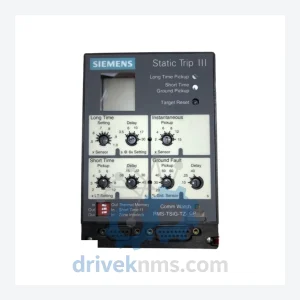
Siemens RMS-TSG-TZ-C is listed for Controller Cards RFQ review. Confirm quantity, condition and destination before quotation.
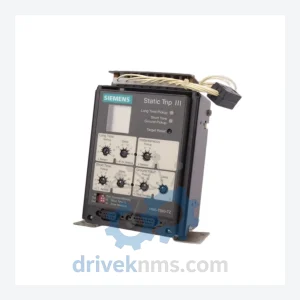
Siemens RMS-TSIG-TZ-C is listed for Controller Cards RFQ review. Confirm quantity, condition and destination before quotation.