
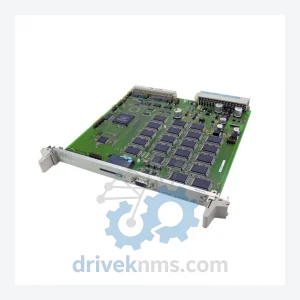
Siemens 6DP1616-8AA Interface Module – Obsolete SINEC H1 Spare Part
Siemens 6DP1616-8AA is listed for 8AA Interface Module RFQ review. Confirm quantity, condition and destination before quotation.
RFQ-ready industrial model
Model: 6DS1222-8AA
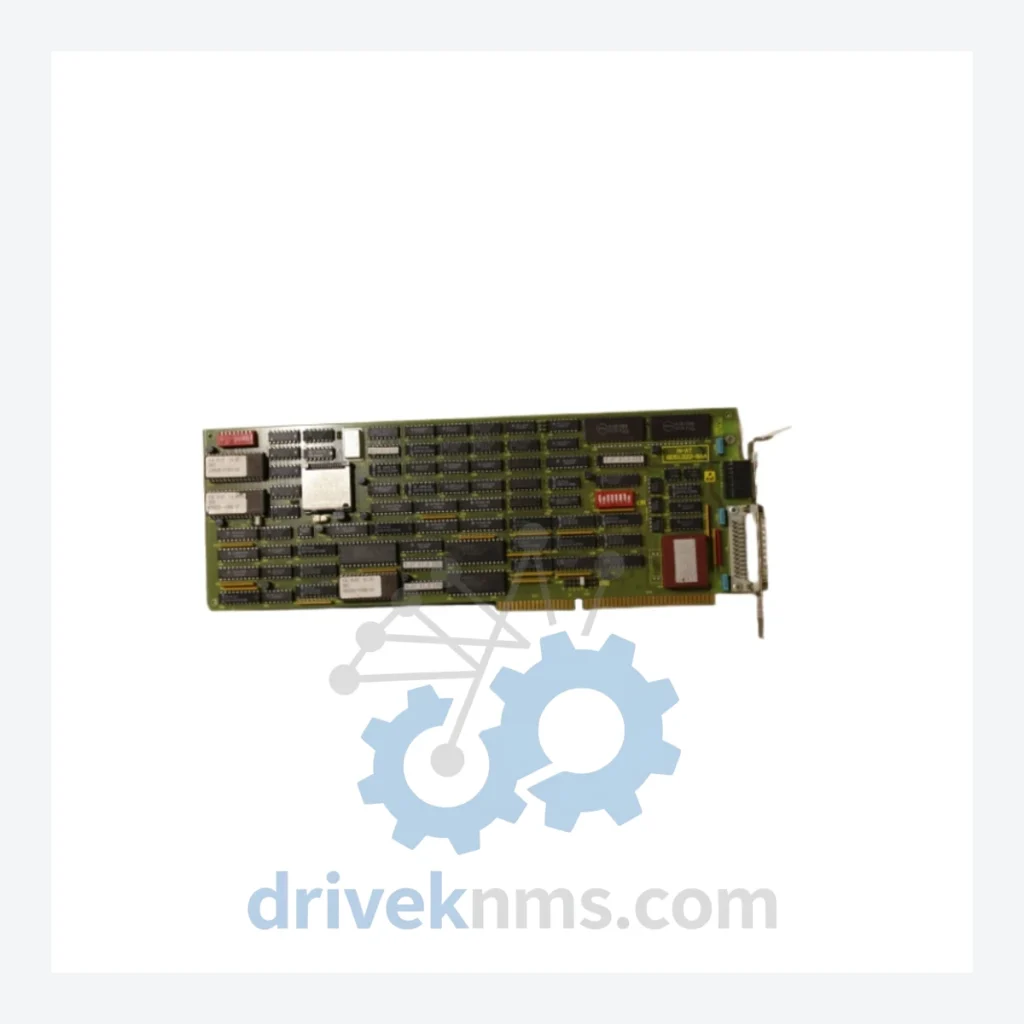
Product Overview
Commercial availability is handled through direct RFQ, model verification and export-oriented follow-up rather than public cart checkout.
Datasheet Preview
Use attached product manuals when available. If the manual is not public yet, request the full file directly through RFQ.
Commercial Path
Product pages on DRIVEKNMS are designed to verify model, brand and series first, then move the buyer into one clean quotation path.
Technical Dossier
A single failed interface module in a TELEPERM M control system does not simply mean a line stoppage. It means a forced decision: source the part, or commit to a full system migration. For plants running Siemens TELEPERM M infrastructure, that migration carries a price tag that routinely exceeds seven figures — engineering redesign, new hardware procurement, software re-validation, operator retraining, and weeks of lost production. The Siemens 6DS1222-8AA is no longer manufactured. When your existing unit fails, the open market is your only option. DriveKNMS maintains RFQ-reviewed sourcing status of this module specifically to protect facilities from that forced-upgrade scenario.
RFQ support for obsolete parts: Send the model number, required quantity and destination so DriveKNMS can confirm sourcing options before quotation.
Note: Electrical parameters are not published here to prevent misapplication. Contact us with your system configuration for compatibility verification before ordering.
The Siemens TELEPERM M platform was deployed extensively across petrochemical, power generation, and heavy manufacturing facilities from the 1980s through the early 2000s. Its architecture was engineered for deterministic process control in environments where reliability was non-negotiable. Many of these installations remain operational today — not because operators are unaware of the discontinuation, but because the cost and risk of replacing a functioning control backbone cannot be justified against current capital budgets.
The 6DS1222-8AA interface module sits at a critical communication layer within the TELEPERM M rack. It handles data exchange between subsystems in a way that is tightly coupled to the existing I/O architecture. There is no software patch, no firmware workaround, and no cross-brand substitute that replicates its function without triggering a cascade of re-engineering work. When this module fails, the system fails. The only path that preserves the existing infrastructure is a direct hardware replacement.
For plant managers operating under capital expenditure constraints, the calculus is clear. A verified replacement module extends the operational life of the entire TELEPERM M installation by years. It defers a multi-million dollar migration to a point in the budget cycle where it can be planned, funded, and executed on the facility's terms — not in response to an emergency.
Sourcing obsolete hardware from the open market carries legitimate risk. DriveKNMS applies a structured five-step inspection protocol to every unit before it is offered for sale.
Step 1 – Electrolytic Capacitor Assessment: Aged capacitors are the primary failure mode in legacy industrial electronics. Each unit is inspected for capacitor bulging, electrolyte leakage, and ESR deviation. Units with degraded capacitors are either reconditioned with specification-matched replacements or removed from inventory.
Step 2 – Firmware Version Verification: Where applicable, firmware revisions are identified and documented. Compatibility with the target system version is confirmed prior to dispatch.
Step 3 – Pin and Connector Inspection: Backplane connectors and edge pins are examined under magnification for oxidation, corrosion, and mechanical deformation. Contact surfaces are cleaned and treated where required.
Step 4 – Functional Bench Test: Units are powered and tested against baseline operational parameters in a controlled environment before being cleared for sale.
Step 5 – Packaging and ESD Protection: Cleared units are packaged in anti-static materials with physical protection appropriate for international freight.
This drop-in replacement characteristic is the defining advantage over any migration path. There are no engineering change orders, no re-validation cycles, and no retraining requirements. The system returns to its pre-failure state. For facilities where the TELEPERM M installation controls critical process loops, this is not a convenience — it is a risk management requirement.
Holding verified spare modules also provides negotiating leverage. Facilities that are not under emergency sourcing pressure can plan system transitions on a rational timeline, evaluate alternatives properly, and avoid the cost premiums that accompany urgent procurement.
How do I know the unit is new or quality-refurbished?
Each unit is individually inspected and documented through our five-step QA process. Condition grade (new surplus, tested refurbished, or used serviceable) is disclosed on the product certificate accompanying each shipment. We do not sell units that have not passed functional testing.
Continue The Model Path
Move from this exact model into the matching system hub, brand archive, model-family archive or lifecycle sourcing route before sending a final RFQ list.
Related Paths
Siemens 6DP1616-8AA is listed for 8AA Interface Module RFQ review. Confirm quantity, condition and destination before quotation.
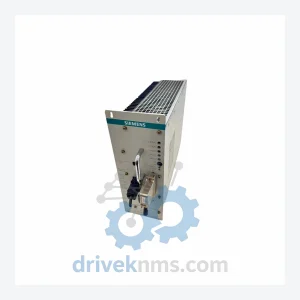
Siemens S31043-K1166-X is listed for Controller Cards RFQ review. Confirm quantity, condition and destination before quotation.
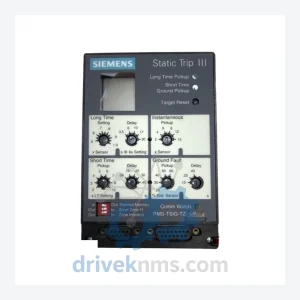
Siemens RMS-TSG-TZ-C is listed for Controller Cards RFQ review. Confirm quantity, condition and destination before quotation.