
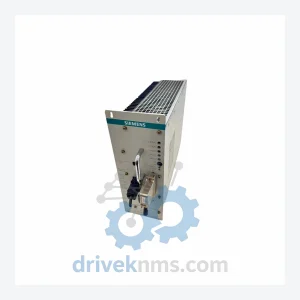
Siemens S31043 Rectifier Modules S31043-K1166-X
Siemens S31043-K1166-X is listed for Controller Cards RFQ review. Confirm quantity, condition and destination before quotation.
RFQ-ready industrial model
Model: 6ES7134-4MB02-0AB0
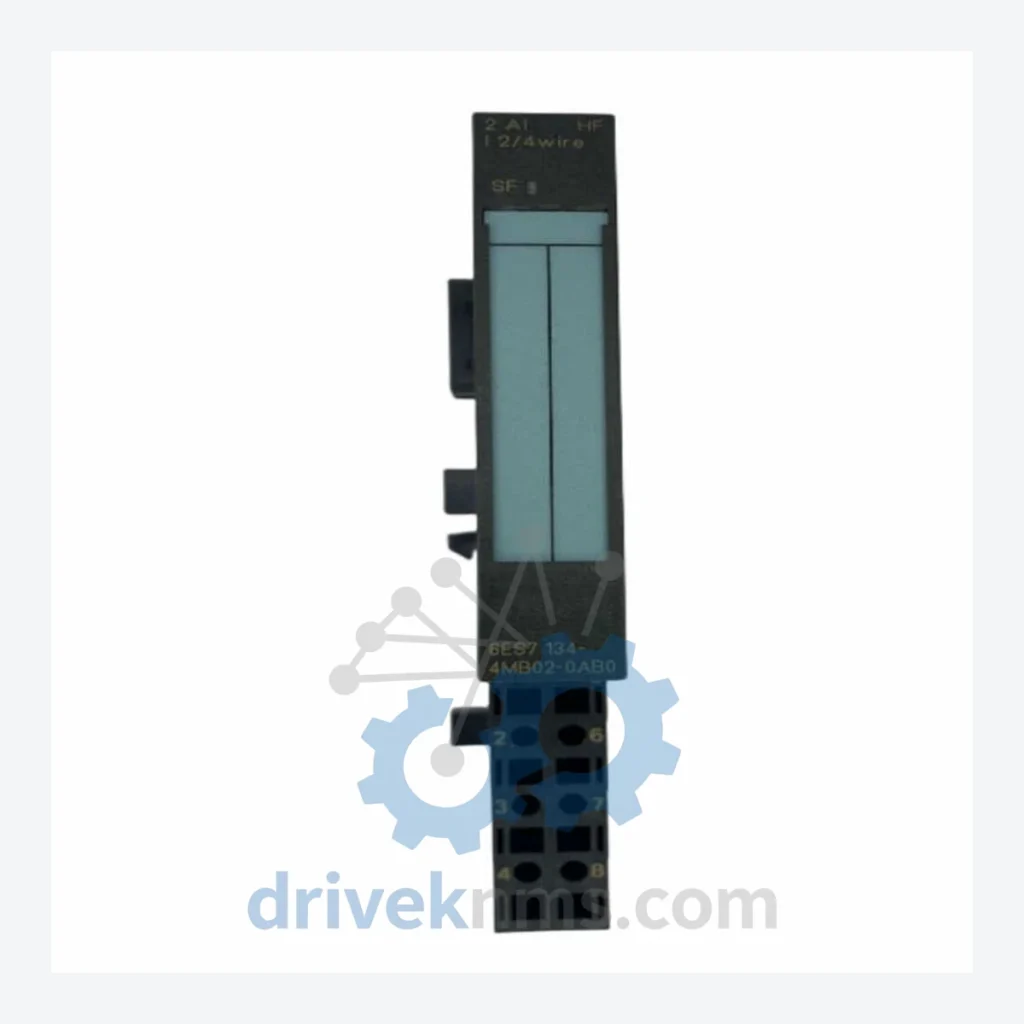
Product Overview
Commercial availability is handled through direct RFQ, model verification and export-oriented follow-up rather than public cart checkout.
Datasheet Preview
Use attached product manuals when available. If the manual is not public yet, request the full file directly through RFQ.
Commercial Path
Product pages on DRIVEKNMS are designed to verify model, brand and series first, then move the buyer into one clean quotation path.
Technical Dossier
DriveKNMS reviews sourcing options for discontinued components through RFQ handling before quotation.
RFQ support for obsolete parts: Send the model number, required quantity and destination so DriveKNMS can confirm sourcing options before quotation.
| Part Number | 6ES7134-4MB02-0AB0 |
| Brand | Siemens |
| Series | SIMATIC ET 200S |
| Module Type | Analog Input Module (2AI) |
| Compatible Controllers | SIMATIC S7-300, S7-400 (via ET 200S IM 151 interface module) |
| Input Channels | 2 analog inputs |
| Input Range | ±10 V / 0–20 mA / 4–20 mA |
| Resolution | 12-bit |
| Country of Origin | Germany |
| Discontinuation Status | Officially discontinued by Siemens. No direct OEM replacement with identical form factor and firmware compatibility. |
The SIMATIC ET 200S platform was deployed extensively in automotive body shops, chemical dosing systems, food processing lines, and pharmaceutical batch reactors throughout the 1990s and 2000s. The 6ES7134-4MB02-0AB0 served as the primary analog acquisition point in these architectures — reading pressure transducers, flow meters, and temperature transmitters directly into the S7 CPU via PROFIBUS DP.
Siemens has officially discontinued this module. The successor platform, ET 200SP, uses a different rail system, different terminal block geometry, and different GSD files. Migrating from ET 200S to ET 200SP is not a module swap — it is a hardware redesign project. For a single station, that project typically requires 40–120 engineering hours, new DIN rail assemblies, updated STEP 7 or TIA Portal project files, and a full functional acceptance test. For a plant with 20 or 30 ET 200S stations, the scope becomes a capital project.
Maintaining a spare parts buffer of 6ES7134-4MB02-0AB0 units is the operationally sound alternative. A single module held in the maintenance store can prevent an unplanned shutdown that costs more per hour than the module costs per unit. This is not a theoretical risk — it is the documented experience of maintenance teams managing aging distributed I/O infrastructure.
Discontinued modules sourced from secondary markets carry real risks. DriveKNMS applies a 5-step inspection protocol before any unit is listed or shipped:
Q: How do I confirm the unit is genuine and not counterfeit?
A: All units are supplied with documentation of their source and inspection record. Siemens part number labels, date codes, and country-of-origin markings are verified as part of the intake process. We do not list units where authenticity cannot be confirmed.
Q: Should I buy more than one unit?
A: For any ET 200S station that is critical to production continuity, holding at least one spare 6ES7134-4MB02-0AB0 is advisable. Given the declining availability of this module on the secondary market, procurement decisions made today carry lower risk and lower cost than emergency sourcing during an unplanned shutdown.
Q: Can you source other ET 200S or S7-300/400 discontinued modules?
A: Yes. Contact us with your full bill of materials for legacy Siemens hardware. We maintain sourcing relationships for a broad range of discontinued SIMATIC components.
Continue The Model Path
Move from this exact model into the matching system hub, brand archive, model-family archive or lifecycle sourcing route before sending a final RFQ list.
Related Paths
Siemens S31043-K1166-X is listed for Controller Cards RFQ review. Confirm quantity, condition and destination before quotation.
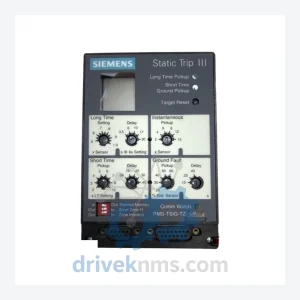
Siemens RMS-TSG-TZ-C is listed for Controller Cards RFQ review. Confirm quantity, condition and destination before quotation.
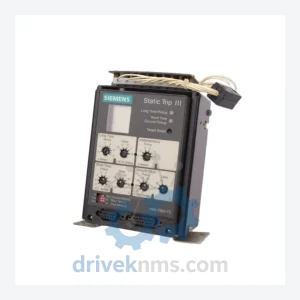
Siemens RMS-TSIG-TZ-C is listed for Controller Cards RFQ review. Confirm quantity, condition and destination before quotation.