
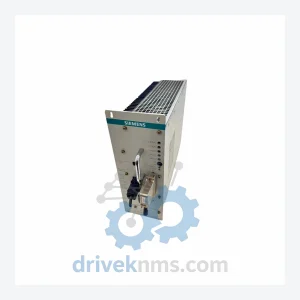
Siemens S31043 Rectifier Modules S31043-K1166-X
Siemens S31043-K1166-X is listed for Controller Cards RFQ review. Confirm quantity, condition and destination before quotation.
RFQ-ready industrial model
Model: 6ES7954-8LL03-0AA0
Product Overview
Commercial availability is handled through direct RFQ, model verification and export-oriented follow-up rather than public cart checkout.
Datasheet Preview
Use attached product manuals when available. If the manual is not public yet, request the full file directly through RFQ.
Commercial Path
Product pages on DRIVEKNMS are designed to verify model, brand and series first, then move the buyer into one clean quotation path.
Technical Dossier
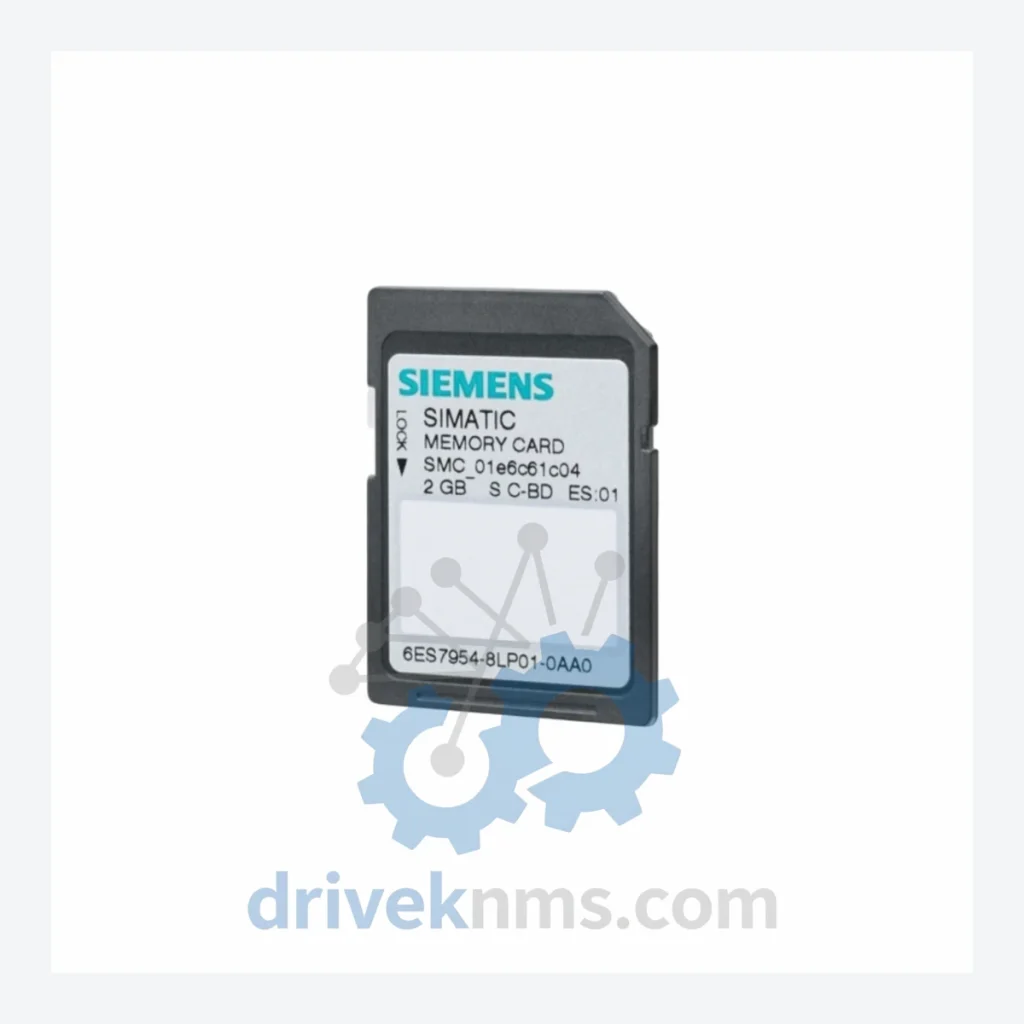
The Siemens SIMATIC Memory Card series is the standard non-volatile storage medium for the S7-1200 and S7-1500 programmable logic controller families. Deployed across global heavy industry — including petrochemical complexes, nuclear power auxiliary systems, offshore platforms, and continuous-process refineries — these cards serve as the primary program carrier, firmware update medium, and data logging device for SIMATIC CPU modules. Unlike conventional flash storage, SIMATIC Memory Cards are formatted exclusively for Siemens STEP 7 / TIA Portal environments and are not interchangeable with generic SD or CF cards. Their industrial-grade design supports extended temperature ranges, vibration resistance, and write-cycle endurance consistent with IEC 61131-2 requirements for programmable controllers.
The SIMATIC Memory Card line was introduced alongside the S7-1200 CPU family (circa 2009) as a replacement for the MMC (Micro Memory Card) used in S7-300/400 systems. Early-generation cards (4 MB, 12 MB) addressed basic program storage for compact S7-1200 CPUs. As the S7-1500 platform launched (2012–2013), higher-capacity variants (24 MB, 256 MB, 2 GB, 32 GB) were introduced to accommodate larger user programs, data blocks, and integrated web server content. The 6ES7954-8LL03-0AA0 represents the 12 MB capacity tier, suitable for mid-complexity S7-1200 applications. Firmware revision -0AA0 denotes the current production standard. Compatibility is strictly governed by CPU firmware version: cards must be formatted via TIA Portal or the CPU itself; third-party formatting renders the card unreadable by the CPU. Cross-generation use between S7-1200 and S7-1500 is supported at the hardware interface level, but program transfer requires re-compilation in the target CPU's TIA Portal project.
The following SKUs represent the verified production and legacy range of Siemens SIMATIC Memory Cards. All capacities are formatted for exclusive use with S7-1200 / S7-1500 CPU families via TIA Portal.
6ES7954-8LB03-0AA0: 4 MB card; entry-level capacity for small S7-1200 programs.
6ES7954-8LC03-0AA0: 12 MB card; standard capacity for S7-1200 mid-range applications.
6ES7954-8LD03-0AA0: 24 MB card; extended capacity for larger S7-1200 user programs.
6ES7954-8LE03-0AA0: 256 MB card; high-capacity for S7-1500 and data-logging applications.
6ES7954-8LL03-0AA0: 12 MB card; current production revision for S7-1200 standard deployments.
6ES7954-8LF03-0AA0: 2 GB card; large-scale S7-1500 program and web content storage.
6ES7954-8LG03-0AA0: 32 GB card; maximum capacity for S7-1500 with extensive data archiving.
6ES7954-8LB02-0AA0: 4 MB card; prior hardware revision, functionally equivalent to -8LB03.
6ES7954-8LC02-0AA0: 12 MB card; prior hardware revision, compatible with same CPU range.
6ES7954-8LD02-0AA0: 24 MB card; prior hardware revision for S7-1200 extended programs.
6ES7954-8LE02-0AA0: 256 MB card; prior hardware revision for S7-1500 platforms.
6ES7954-8LF02-0AA0: 2 GB card; prior hardware revision for large S7-1500 deployments.
6ES7954-8LB01-0AA0: 4 MB card; first-generation hardware revision, early S7-1200 installations.
6ES7954-8LC01-0AA0: 12 MB card; first-generation hardware revision, legacy S7-1200 systems.
6ES7954-8LD01-0AA0: 24 MB card; first-generation hardware revision, legacy extended-program CPUs.
6ES7954-8LE01-0AA0: 256 MB card; first-generation hardware revision, early S7-1500 deployments.
Continue The Model Path
Move from this exact model into the matching system hub, brand archive, model-family archive or lifecycle sourcing route before sending a final RFQ list.
Related Paths
Siemens S31043-K1166-X is listed for Controller Cards RFQ review. Confirm quantity, condition and destination before quotation.
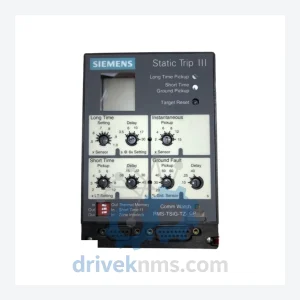
Siemens RMS-TSG-TZ-C is listed for Controller Cards RFQ review. Confirm quantity, condition and destination before quotation.
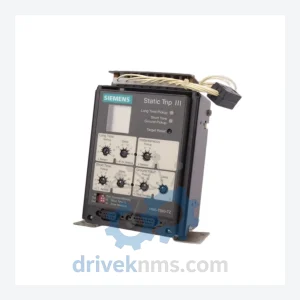
Siemens RMS-TSIG-TZ-C is listed for Controller Cards RFQ review. Confirm quantity, condition and destination before quotation.