
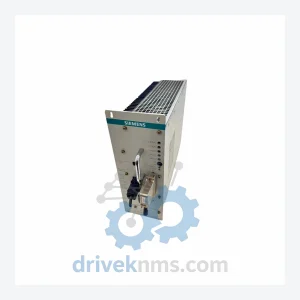
Siemens S31043 Rectifier Modules S31043-K1166-X
Siemens S31043-K1166-X is listed for Controller Cards RFQ review. Confirm quantity, condition and destination before quotation.
RFQ-ready industrial model
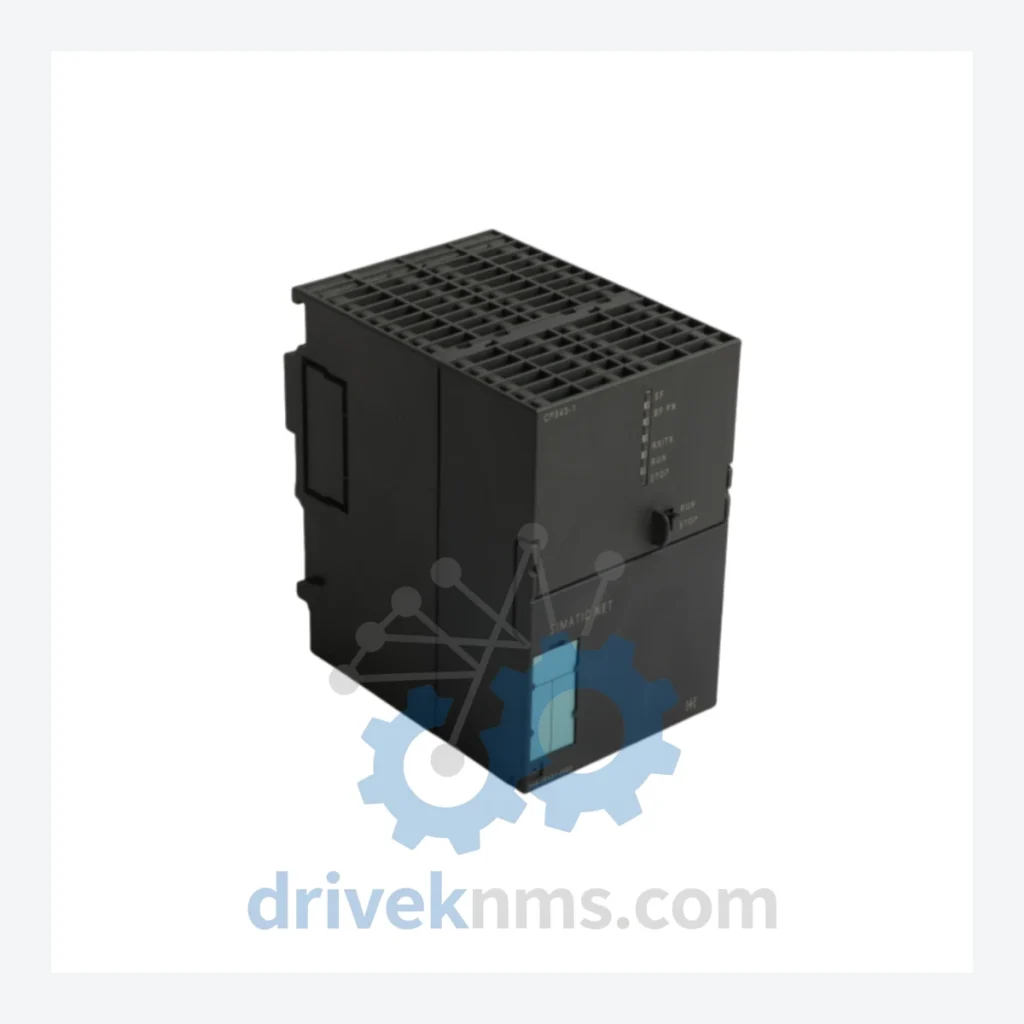
Model: 6GK7343-1EX21-0XE0
Product Overview
Commercial availability is handled through direct RFQ, model verification and export-oriented follow-up rather than public cart checkout.
Datasheet Preview
Use attached product manuals when available. If the manual is not public yet, request the full file directly through RFQ.
Commercial Path
Product pages on DRIVEKNMS are designed to verify model, brand and series first, then move the buyer into one clean quotation path.
Technical Dossier
The Siemens CP 343-1 series (SIMATIC NET Communications Processor for S7-300) is a family of Industrial Ethernet communication modules designed for integration into Siemens S7-300 PLCs. These modules are deployed across the full spectrum of heavy industrial infrastructure — including petrochemical refineries, nuclear power auxiliary systems, offshore platforms, and large-scale chemical processing plants — where deterministic Ethernet communication between controllers and supervisory systems is a non-negotiable operational requirement.
The CP 343-1 family enables S7-300 CPUs to participate in PROFINET IO, ISO transport, TCP/IP, UDP, and S7 communication protocols. Installed base figures across global process industries place this series among the most widely deployed Industrial Ethernet interface modules in the S7-300 ecosystem. Long-term plant maintenance contracts at facilities running SIMATIC S7-300 infrastructure routinely specify CP 343-1 variants as critical spare components due to their role as the sole network gateway for the controller rack.
The CP 343-1 product line was introduced alongside the maturation of Industrial Ethernet adoption in process automation during the late 1990s. Early variants such as the 6GK7343-1EX11-0XE0 supported 10 Mbit/s Ethernet with AUI/ITP interfaces and operated under the ISO transport and TCP/IP protocol stack. These modules required manual IP address assignment and offered no integrated web diagnostics.
The transition to the EX20/EX21 generation brought 10/100 Mbit/s auto-sensing RJ45 interfaces, expanded S7 communication connection resources (up to 16 connections), and support for SNMP-based network management. The 6GK7343-1EX21-0XE0 — the subject of this page — represents the mature revision of this generation, incorporating firmware-level improvements for connection stability under high-cycle polling environments.
The subsequent Advanced variants (6GK7343-1GX31-0XE0) introduced PROFINET IO controller functionality, enabling direct integration with distributed I/O peripherals over PROFINET without requiring a dedicated PROFINET-capable CPU. This architectural shift allowed legacy S7-300 installations to adopt PROFINET field devices without full controller replacement.
Compatibility note: All CP 343-1 modules occupy one slot in the S7-300 rack and communicate with the CPU via the S7-300 backplane bus. Modules from different generations are not firmware-interchangeable but are physically slot-compatible, which is a critical consideration during emergency replacement scenarios in operating plants.
Industrial Ethernet / TCP-IP / ISO Transport Variants
PROFINET IO Variants (Advanced)
IT / FTP / Web Server Variants
EX-Rated / Redundant / Special Variants
Siemens has progressively moved the S7-300 platform toward end-of-life status, with several CP 343-1 variants — including the EX11, EX05, EX10, CX10, and GX11 — formally discontinued. For operating plants with 10–25 year maintenance horizons (typical in nuclear auxiliary systems, refinery DCS infrastructure, and water treatment SCADA), replacement sourcing from the open market is the primary lifecycle extension strategy.
CP 343-1 modules present specific test challenges due to their dual role as both a backplane bus participant and an active Ethernet network node. DriveKNMS applies a structured test protocol to all CP 343-1 units prior to dispatch:
Continue The Model Path
Move from this exact model into the matching system hub, brand archive, model-family archive or lifecycle sourcing route before sending a final RFQ list.
Related Paths
Siemens S31043-K1166-X is listed for Controller Cards RFQ review. Confirm quantity, condition and destination before quotation.
Siemens RMS-TSG-TZ-C is listed for Controller Cards RFQ review. Confirm quantity, condition and destination before quotation.
Siemens RMS-TSIG-TZ-C is listed for Controller Cards RFQ review. Confirm quantity, condition and destination before quotation.