
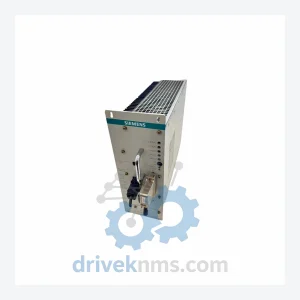
Siemens S31043 Rectifier Modules S31043-K1166-X
Siemens S31043-K1166-X is listed for Controller Cards RFQ review. Confirm quantity, condition and destination before quotation.
RFQ-ready industrial model
Model: RD63F200
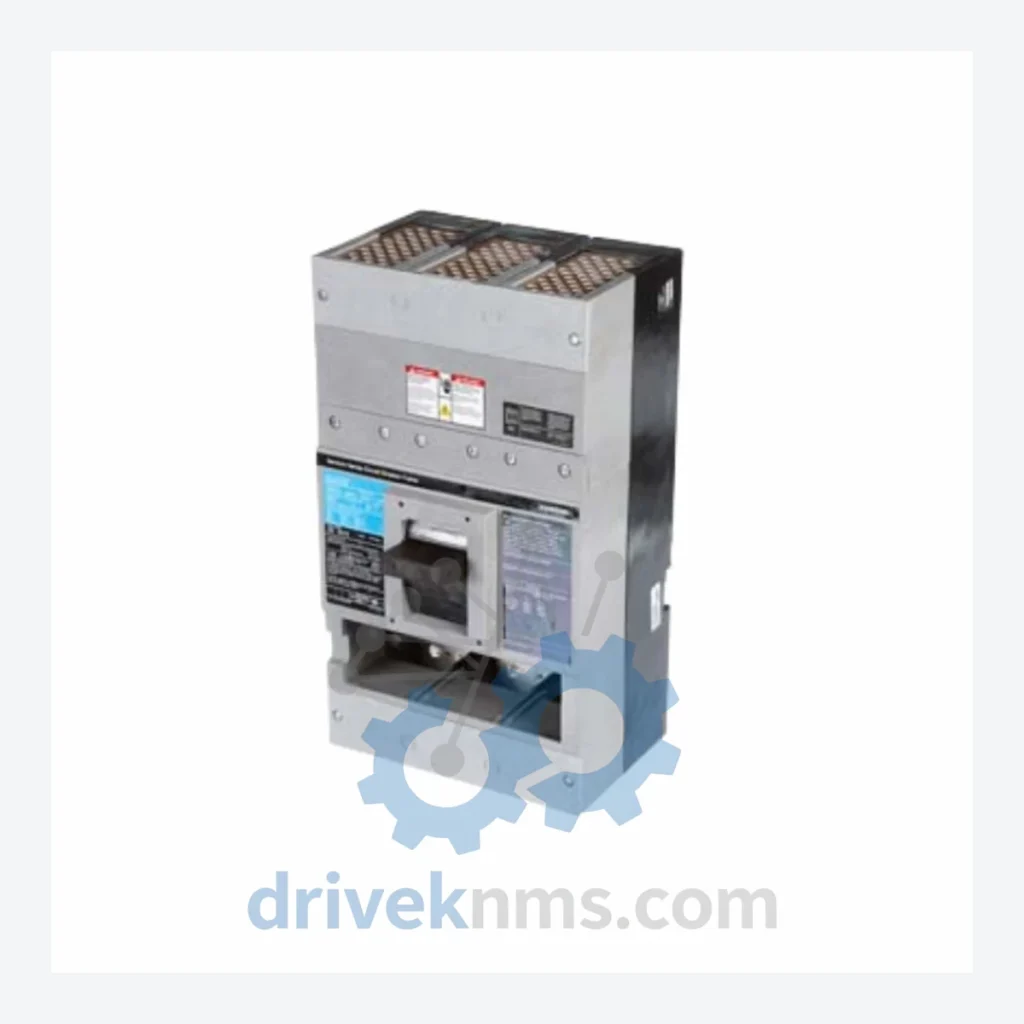
Product Overview
Commercial availability is handled through direct RFQ, model verification and export-oriented follow-up rather than public cart checkout.
Datasheet Preview
Use attached product manuals when available. If the manual is not public yet, request the full file directly through RFQ.
Commercial Path
Product pages on DRIVEKNMS are designed to verify model, brand and series first, then move the buyer into one clean quotation path.
Technical Dossier
DriveKNMS reviews sourcing status and documentation for this model during RFQ handling before quotation.
RFQ support for obsolete parts: Send the model number, required quantity and destination so DriveKNMS can confirm sourcing options before quotation.
| Parameter | Value |
|---|---|
| Manufacturer | Siemens |
| Part Number | RD63F200 |
| Series | RD6 (Sentron RD6 MCCB Platform) |
| Component Type | Replacement Frame |
| Poles | 3P (Three-Pole) |
| Rated Voltage | 600V AC |
| Frame Ampere Rating | 2000A |
| Product Status | Discontinued / Obsolete – No longer manufactured by Siemens |
| Country of Origin | Germany |
| Typical System Compatibility | Siemens RD6 series MCCB assemblies; legacy Siemens Sentron distribution panels |
Note: Electrical parameters listed above are sourced from original Siemens product documentation. No parameters have been estimated or extrapolated. If you require additional specification verification, contact our technical team before ordering.
The RD6 platform was engineered for high-amperage industrial distribution — the 2000A frame rating of the RD63F200 places it in the category of main feeder protection, not branch circuit protection. These frames are not interchangeable with current-generation Siemens SENTRON 3VA or 3WL series without physical panel modification. A facility running RD6 assemblies cannot simply order a modern equivalent and install it. The bus connections, mounting dimensions, and mechanical interlock systems are platform-specific.
Industrial electrical infrastructure built in the 1980s and 1990s was engineered to last decades. The mechanical and electrical design of platforms like the Siemens RD6 series remains sound. What creates obsolescence risk is not the hardware itself — it is the disappearance of replacement components from the supply chain.
Plant managers facing pressure to retire aging systems should evaluate the actual failure modes before committing to replacement capital expenditure. In most cases, the components that fail are discrete and replaceable: frames, trip units, contact assemblies, and arc chutes. The bus work, enclosures, and interconnecting wiring — which represent the majority of the installed cost — remain serviceable for decades beyond the component manufacturer's support window.
A structured critical spare parts program for legacy switchgear typically covers three categories. First, high-wear mechanical components: frames, contact sets, and operating mechanisms that experience physical stress during normal operation. Second, trip unit electronics: the sensing and logic components that are most vulnerable to capacitor aging and firmware obsolescence. Third, arc interruption components: arc chutes and barriers that degrade with each interruption event and are rarely stocked by facilities until a failure occurs.
Procuring identified critical spares — including frames like the RD63F200 — while they remain available in the secondary market extends the viable service life of the associated switchgear by a documented 5 to 10 years in most industrial applications. The procurement cost is fixed and known. The cost of an unplanned outage caused by an unavailable frame is neither fixed nor predictable, and in high-throughput manufacturing environments, a single day of lost production frequently exceeds the cost of a complete spare parts inventory for the affected panel.
DriveKNMS applies a structured 5-step quality verification process to all obsolete and legacy components before dispatch review.
Step 1 – Physical Inspection: Full dimensional and mechanical inspection against original Siemens engineering drawings. Mounting hole patterns, bus connection points, and mechanical interlock features are verified for conformance.
Step 2 – Electrolytic Capacitor Assessment: Where applicable to associated trip unit electronics, capacitor condition is evaluated. Aged electrolytic capacitors are a primary failure mode in legacy power electronics and are replaced where degradation is identified.
Step 3 – Firmware and Trip Unit Verification: For units supplied with trip unit assemblies, firmware version is documented and verified against the applicable Siemens revision history. Incompatible or corrupted firmware versions are flagged before dispatch review.
Step 4 – Contact and Pin Corrosion Inspection: All electrical connection points are inspected under magnification for oxidation, pitting, and corrosion. Connection surfaces are cleaned and treated where required. Units with structural corrosion damage to contact surfaces are rejected.
The RD63F200 is a direct mechanical replacement for the original Siemens RD6 series frame. Installation does not require panel redesign, bus bar modification, or re-engineering of the protection coordination study. The frame mounts to existing hardware using original fastener patterns and connects to existing bus work without adaptation.
Can you source other RD6 series components?
Yes. DriveKNMS specializes in obsolete and hard-to-find industrial components. If you require additional RD6 series parts — trip units, contact assemblies, or arc chutes — contact our team with your part numbers and we will advise on availability.
Continue The Model Path
Move from this exact model into the matching system hub, brand archive, model-family archive or lifecycle sourcing route before sending a final RFQ list.
Related Paths
Siemens S31043-K1166-X is listed for Controller Cards RFQ review. Confirm quantity, condition and destination before quotation.
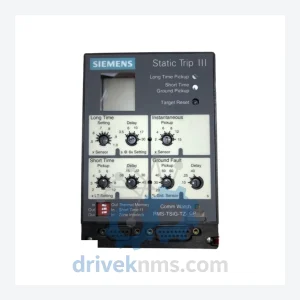
Siemens RMS-TSG-TZ-C is listed for Controller Cards RFQ review. Confirm quantity, condition and destination before quotation.
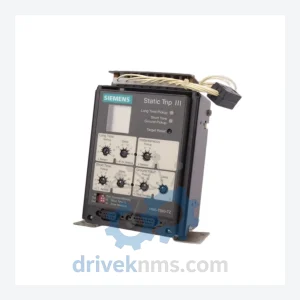
Siemens RMS-TSIG-TZ-C is listed for Controller Cards RFQ review. Confirm quantity, condition and destination before quotation.