
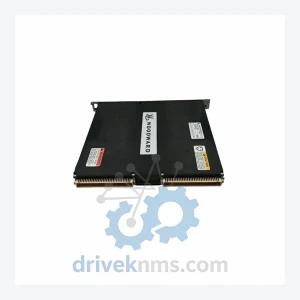
Woodward 5466 Series Modules – 5466-1036
Woodward 5466-1036 is listed for Monitoring Systems RFQ review. Confirm quantity, condition and destination before quotation.
RFQ-ready industrial model
Model: 9907-345
Product Overview
Commercial availability is handled through direct RFQ, model verification and export-oriented follow-up rather than public cart checkout.
Datasheet Preview
Use attached product manuals when available. If the manual is not public yet, request the full file directly through RFQ.
Commercial Path
Product pages on DRIVEKNMS are designed to verify model, brand and series first, then move the buyer into one clean quotation path.
Technical Dossier
RFQ support for obsolete parts: Send the model number, required quantity and destination so DriveKNMS can confirm sourcing options before quotation.
Note: Electrical parameters for this discontinued module are not published here to prevent misapplication. Contact our technical team for verified specification sheets prior to installation.
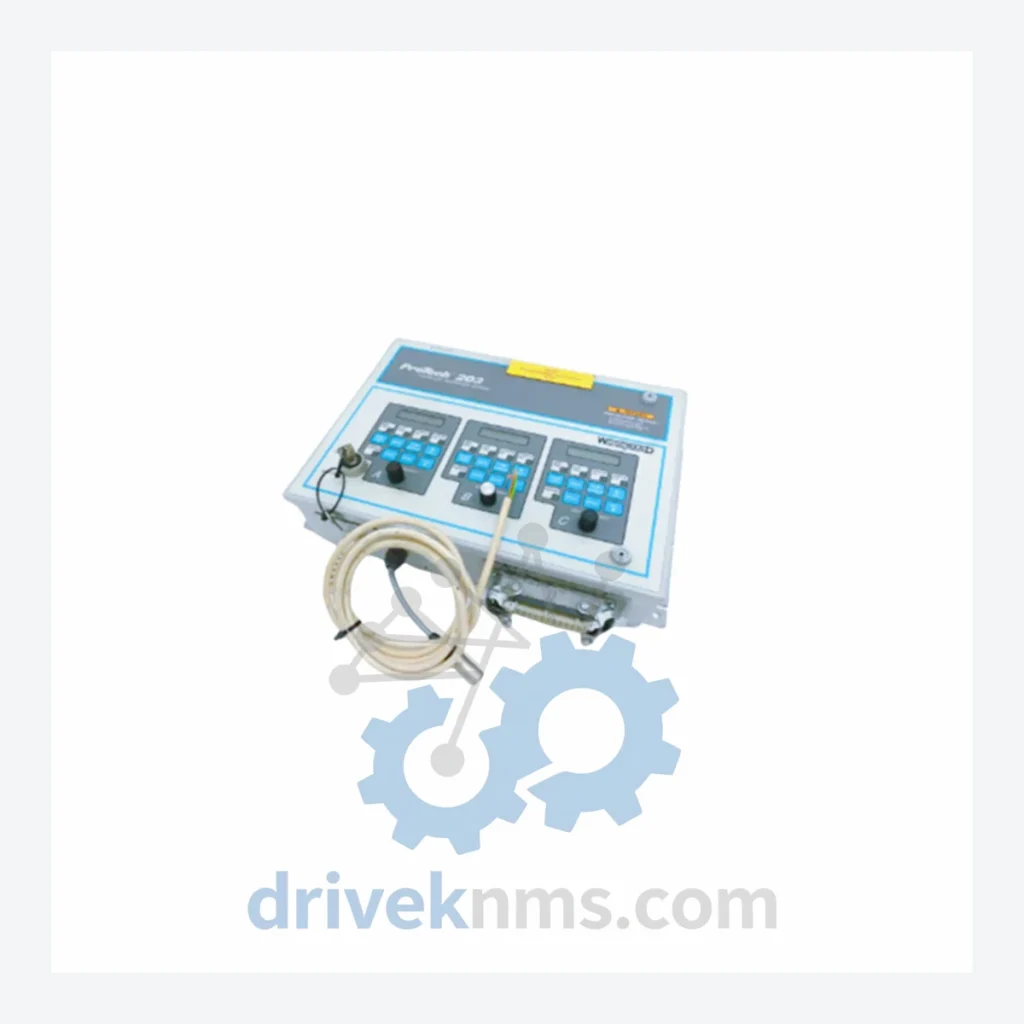
The Woodward 9907-345 was engineered for overspeed detection and protective trip functions in turbine-driven machinery — steam turbines, gas turbines, and large rotating equipment where an uncontrolled overspeed event carries catastrophic risk. In legacy plant configurations, this module is hardwired into the safety logic of the entire unit. There is no software patch, no firmware workaround, and no low-cost adapter that replicates its function within the existing control cabinet without a full system redesign.
Every Woodward 9907-345 unit processed by DriveKNMS passes a structured 5-step quality assurance protocol before it is offered for sale:
Q: How is condition confirmed before quotation?
A: Available condition, photos, test records and documentation are checked according to the requested model and sourcing channel before a formal RFQ response.
Q: Can you support multi-unit or repeat RFQ requests?
A: Yes. Send the model list, target quantity and destination so DRIVEKNMS can review sourcing options and quote the requirement as a project RFQ.
Continue The Model Path
Move from this exact model into the matching system hub, brand archive, model-family archive or lifecycle sourcing route before sending a final RFQ list.
Related Paths
Woodward 5466-1036 is listed for Monitoring Systems RFQ review. Confirm quantity, condition and destination before quotation.
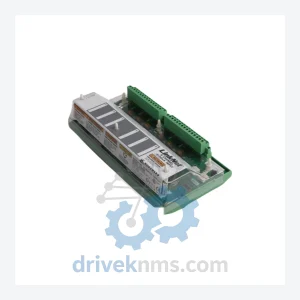
Woodward 9905-969 is listed for Monitoring Systems RFQ review. Confirm quantity, condition and destination before quotation.
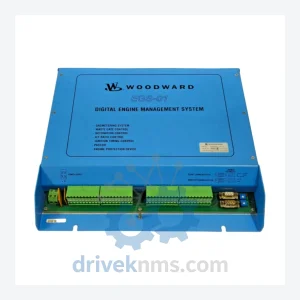
Woodward EGS-01(VM2104.0000) is listed for Monitoring Systems RFQ review. Confirm quantity, condition and destination before quotation.