
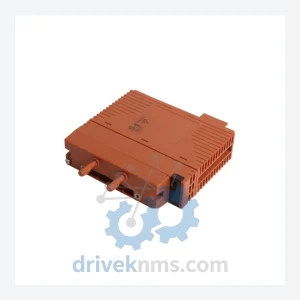
Yokogawa SAI143-H63 S3 Signal Conditioner – Obsolete CENTUM CS3000 Spare Part
Yokogawa SAI143-H63 S3 is listed for CENTUM CS3000 RFQ review. Confirm quantity, condition and destination before quotation.
RFQ-ready industrial model
Model: AMM22 S3
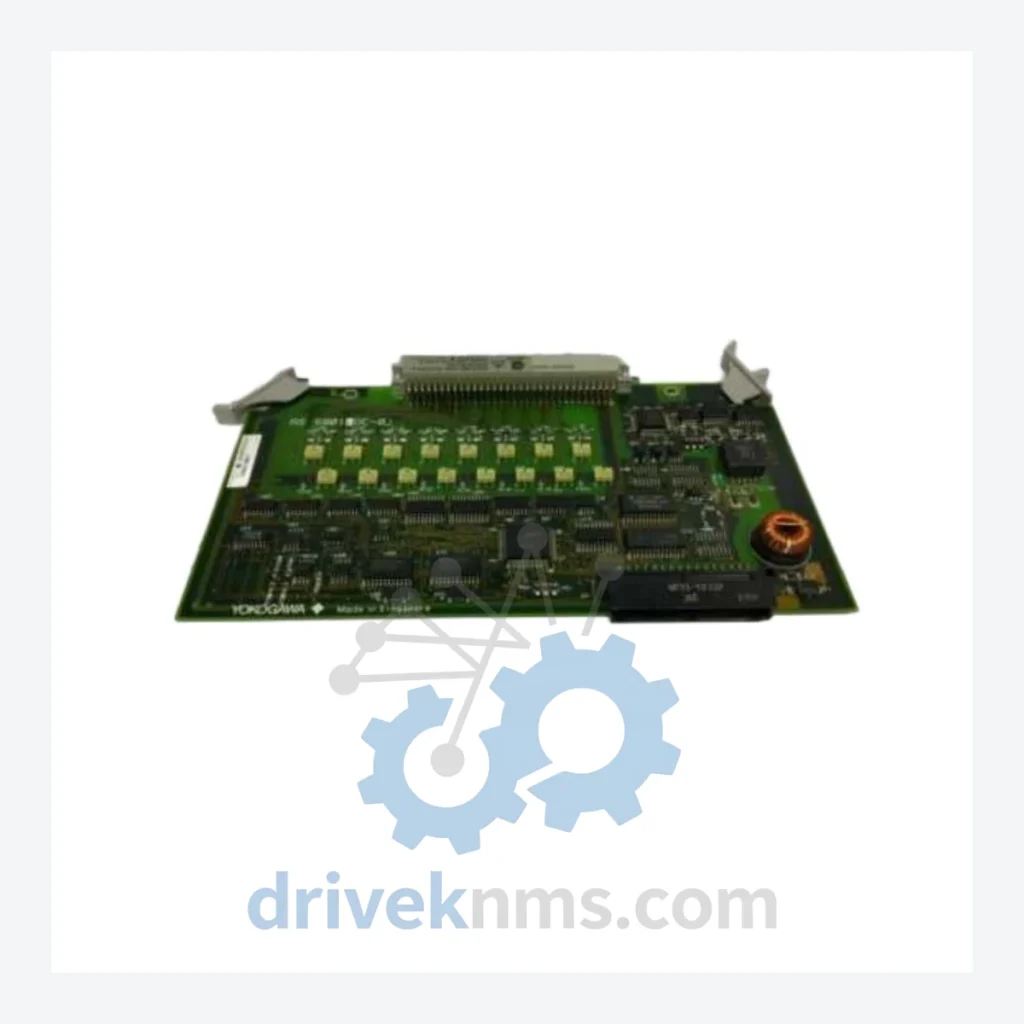
Product Overview
Commercial availability is handled through direct RFQ, model verification and export-oriented follow-up rather than public cart checkout.
Datasheet Preview
Use attached product manuals when available. If the manual is not public yet, request the full file directly through RFQ.
Commercial Path
Product pages on DRIVEKNMS are designed to verify model, brand and series first, then move the buyer into one clean quotation path.
Technical Dossier
RFQ support for obsolete parts: Send the model number, required quantity and destination so DriveKNMS can confirm sourcing options before quotation.
| Parameter | Detail |
|---|---|
| Manufacturer | Yokogawa Electric Corporation |
| Part Number | AMM22 S3 |
| Module Type | Analog Input Module |
| Compatible Platform | Yokogawa CENTUM CS / CENTUM CS3000 DCS |
| Series | CENTUM CS3000 |
| Country of Origin | Japan |
| Discontinuation Status | Officially Discontinued – End of Life (EOL) |
| Replacement Availability | No direct OEM replacement; cross-platform migration required if spare unavailable |
Note: Electrical parameters such as channel count, input range, and signal type are not published here to avoid inaccuracy. Confirmed specifications are provided upon inquiry with unit serial number verification.
The CENTUM CS3000 platform was the backbone of process automation across petrochemical, power generation, pulp and paper, and pharmaceutical facilities throughout the 1990s and 2000s. Yokogawa's decision to end support for this platform does not retire the physical infrastructure it controls. Thousands of facilities worldwide continue to operate CENTUM CS3000 systems because the cost and operational risk of migration outweigh the benefits on a short-to-medium planning horizon.
The AMM22 S3 sits at a critical junction in these systems. As an analog input module, it handles the conversion of field sensor signals — thermocouples, RTDs, pressure transmitters — into digital values that the controller processes. A failed AMM22 S3 does not merely cause a single loop to go offline. Depending on system architecture, it can trigger cascading alarms, force manual override across multiple process areas, and in regulated industries, trigger mandatory production holds pending instrument validation.
DriveKNMS specializes in sourcing and holding RFQ-reviewed sourcing status of exactly this category of component. Our inventory strategy is built around the reality that legacy DCS hardware failures do not follow planned maintenance schedules.
The financial logic of spare part investment for discontinued DCS hardware is straightforward. A CENTUM CS3000 installation that has operated reliably for 20 years represents a fully amortized capital asset. The control logic, operator familiarity, historian integrations, and safety interlock configurations embedded in that system carry institutional value that does not appear on a balance sheet but is real and substantial.
For plant engineering and maintenance managers operating under capital expenditure constraints, this is not a theoretical argument. It is the documented experience of facilities that have managed CENTUM CS, Honeywell TDC 3000, ABB MasterPiece, and similar legacy platforms through their post-EOL decades. The strategy is consistent: identify the failure-prone or single-point-of-failure modules, secure verified spares, and defer migration until it is planned, budgeted, and operationally convenient — not forced by an emergency.
Every AMM22 S3 unit processed by DriveKNMS passes a structured 5-step quality verification protocol before it is offered for sale. This protocol is designed specifically for discontinued industrial hardware, where age-related degradation patterns differ from current-production components.
Step 1 – Visual and Mechanical Inspection: Full board inspection for physical damage, pin corrosion, connector wear, and evidence of prior field repair or unauthorized modification.
Step 2 – Electrolytic Capacitor Assessment: Aging electrolytic capacitors are the primary failure mode in DCS modules of this generation. Each unit is assessed for capacitor condition, with particular attention to the power supply section and signal conditioning circuits.
Step 3 – Firmware Version Verification: Where accessible, firmware revision is documented and cross-referenced against known compatible versions for CENTUM CS3000 system releases.
Step 4 – Pin and Connector Integrity Check: Backplane connector pins are inspected under magnification for oxidation, deformation, and contact resistance issues that would cause intermittent faults in service.
Step 5 – Functional Verification: Units are powered and tested against baseline operational parameters where test equipment permits. Units that do not pass functional verification are not offered as operational spares.
Condition grade and test results are documented and provided with each unit shipment.
Drop-in Replacement: The AMM22 S3 installs directly into the existing CENTUM CS3000 field control station slot. No hardware modification to the cabinet or backplane is required.
No Engineering Reconstruction Cost: The alternative to a verified spare — emergency migration or platform upgrade — requires process control engineers, system integrators, FAT/SAT testing, and extended commissioning. A spare module eliminates this cost entirely for the duration of the spare's service life.
Q: How do I know the unit is genuine and not counterfeit?
A: All units are sourced through documented supply chains. Physical markings, board revision, and serial number ranges are verified against known authentic production references. Units with inconsistent markings are rejected and not offered for sale.
Q: Can you source other CENTUM CS3000 modules?
A: Yes. DriveKNMS maintains inventory across the CENTUM CS3000 I/O module range. Submit your full bill of materials for a consolidated availability check.
Continue The Model Path
Move from this exact model into the matching system hub, brand archive, model-family archive or lifecycle sourcing route before sending a final RFQ list.
Related Paths
Yokogawa SAI143-H63 S3 is listed for CENTUM CS3000 RFQ review. Confirm quantity, condition and destination before quotation.
Yokogawa NFPW442-50 S2 is listed for CENTUM CS3000 RFQ review. Confirm quantity, condition and destination before quotation.
Yokogawa S9344FA is listed for CENTUM CS3000 RFQ review. Confirm quantity, condition and destination before quotation.