
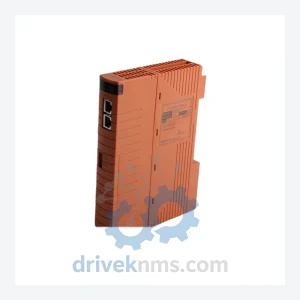
Yokogawa SCP461-11 Signal Conditioning Panel – Obsolete CENTUM CS3000 Spare Part
Yokogawa SCP461-11 is listed for CENTUM CS3000 RFQ review. Confirm quantity, condition and destination before quotation.
RFQ-ready industrial model
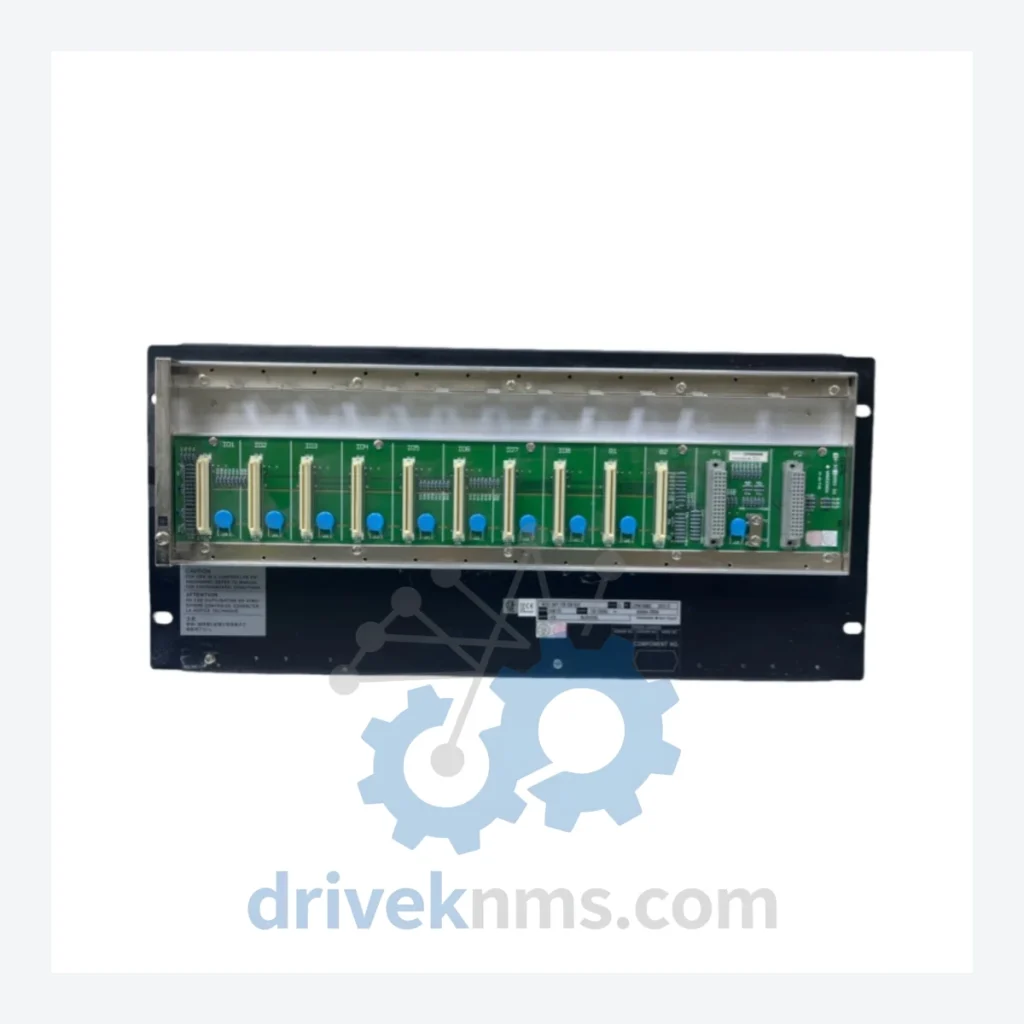
Model: ANB10D-415/CU2N/NDEL
Product Overview
Commercial availability is handled through direct RFQ, model verification and export-oriented follow-up rather than public cart checkout.
Datasheet Preview
Use attached product manuals when available. If the manual is not public yet, request the full file directly through RFQ.
Commercial Path
Product pages on DRIVEKNMS are designed to verify model, brand and series first, then move the buyer into one clean quotation path.
Technical Dossier
RFQ support for obsolete parts: Send the model number, required quantity and destination so DriveKNMS can confirm sourcing options before quotation.
| Parameter | Detail |
|---|---|
| Manufacturer | Yokogawa Electric Corporation |
| Part Number | ANB10D-415/CU2N/NDEL |
| Series | CENTUM CS / CS3000 |
| Module Type | ESB Bus Node Unit |
| Bus Interface | ESB (Enhanced Signal Bus) |
| Country of Origin | Japan |
| Discontinuation Status | Officially discontinued by Yokogawa; no longer manufactured or supported under standard service contracts |
| Compatible Systems | Yokogawa CENTUM CS, CENTUM CS3000 R3 |
The ESB Bus Node Unit is not a peripheral component — it is the physical and logical junction point that allows field control stations to communicate across the ESB network. A single failed unit can isolate an entire process segment. In facilities where the CENTUM CS3000 architecture is deeply embedded in safety instrumented systems and advanced process control loops, replacing the DCS is not a weekend project. It is a multi-year capital program requiring regulatory re-approval, extensive re-engineering, and a planned production shutdown.
Every ANB10D-415/CU2N/NDEL unit processed by DriveKNMS passes a structured 5-stage inspection protocol before it is offered for sale. This protocol was developed specifically for discontinued industrial control hardware where field failure carries process safety implications.
Stage 1 – Visual and Mechanical Inspection: Full board-level examination for physical damage, connector pin corrosion, and PCB delamination. Units with compromised backplane connectors are rejected at this stage.
Stage 2 – Electrolytic Capacitor Assessment: Aging electrolytic capacitors are the primary failure mode in legacy DCS hardware. Each unit is inspected for capacitor bulging, electrolyte leakage, and ESR deviation. Units showing capacitor degradation are either reconditioned with OEM-equivalent components or removed from inventory.
Stage 3 – Firmware Version Verification: The firmware revision is read and documented. Compatibility with the target CS3000 R3 environment is confirmed before dispatch review. Firmware version records are included in the shipment documentation.
Stage 4 – Functional Power-On Test: The unit is powered and bus communication is verified under controlled bench conditions. Units that fail to initialize or produce bus errors are quarantined.
Stage 5 – Final Documentation and Packaging: Passing units are individually bagged in anti-static packaging, labeled with inspection date and technician ID, and shipped with a condition report. No unit leaves without a traceable inspection record.
The ANB10D-415/CU2N/NDEL is a direct hardware replacement for the same part number within the CENTUM CS3000 architecture. There is no firmware re-flashing required for standard slot replacement. The unit is recognized by the system upon insertion without modification to the existing HIS or EWS configuration — no re-engineering of the control database, no re-commissioning of field devices, no changes to the safety system logic.
This drop-in replacement capability is the core economic argument for maintaining a spare parts strategy rather than pursuing a system migration. A migration project for a mid-size refinery DCS typically requires 18–36 months of engineering, a planned turnaround window, and capital expenditure in the range of several million dollars. A verified replacement module, installed by a qualified Yokogawa-trained technician, restores full system function within hours. The engineering cost differential is not marginal — it is an order of magnitude.
Q: Should I purchase more than one unit?
A: For any facility where the ANB10D-415 is a single point of failure on an active ESB segment, holding at least one cold spare is a minimum prudent position. For facilities with multiple ESB segments or where production continuity is critical, a buffer of two to three units is a defensible maintenance strategy. Availability of this part in the secondary market will continue to decline as installed base units age out of service.
Continue The Model Path
Move from this exact model into the matching system hub, brand archive, model-family archive or lifecycle sourcing route before sending a final RFQ list.
Related Paths
Yokogawa SCP461-11 is listed for CENTUM CS3000 RFQ review. Confirm quantity, condition and destination before quotation.
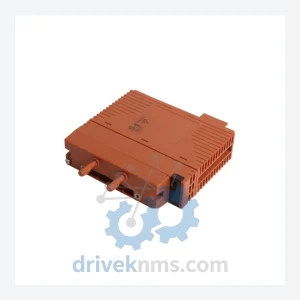
Yokogawa SAI143-H63 S3 is listed for CENTUM CS3000 RFQ review. Confirm quantity, condition and destination before quotation.
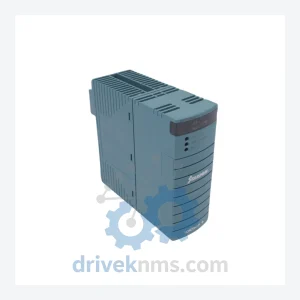
Yokogawa NFPW442-50 S2 is listed for CENTUM CS3000 RFQ review. Confirm quantity, condition and destination before quotation.