
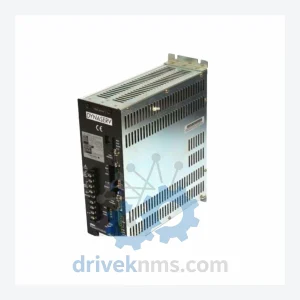
Yokogawa AIP Series Modules: AIP413-S1
Yokogawa AIP413-S1 is listed for AIP Series RFQ review. Confirm quantity, condition and destination before quotation.
RFQ-ready industrial model
Model: ATK4A-00 S1
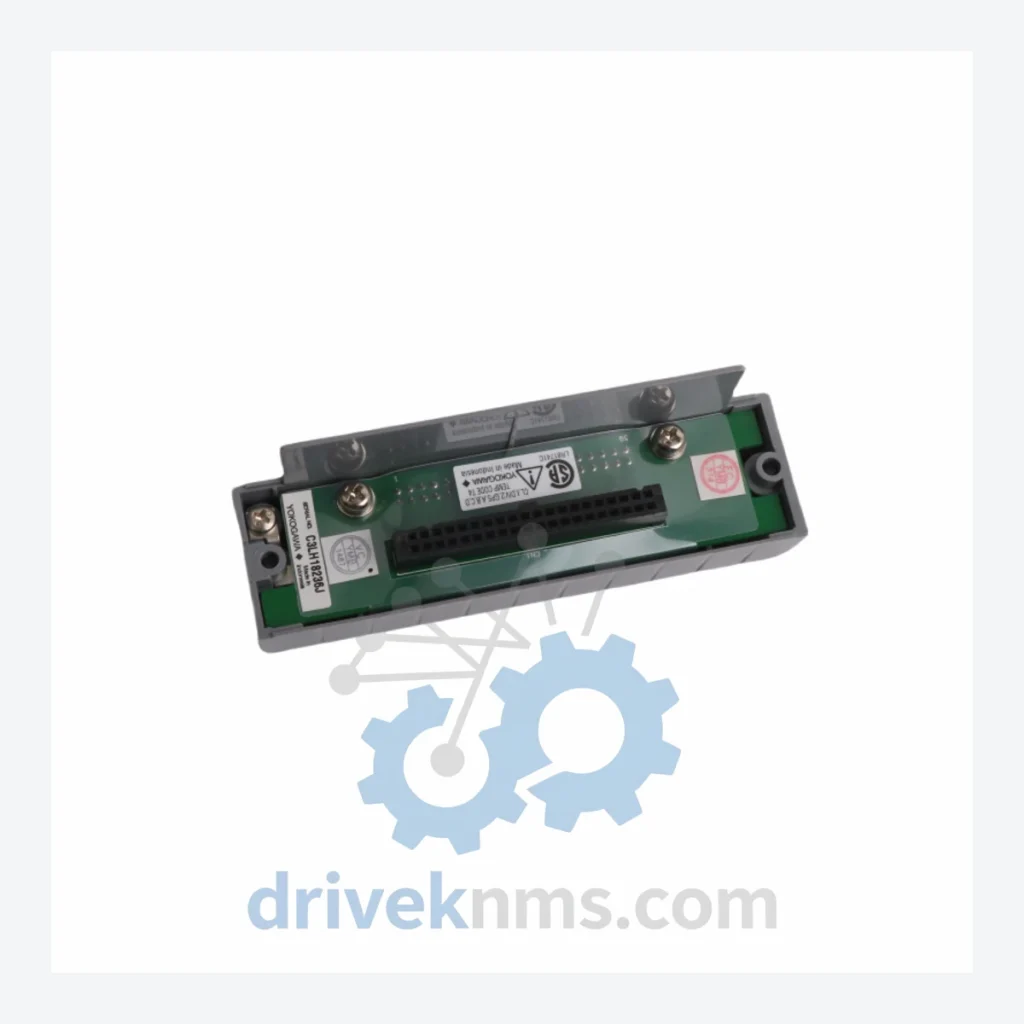
Product Overview
Commercial availability is handled through direct RFQ, model verification and export-oriented follow-up rather than public cart checkout.
Datasheet Preview
Use attached product manuals when available. If the manual is not public yet, request the full file directly through RFQ.
Commercial Path
Product pages on DRIVEKNMS are designed to verify model, brand and series first, then move the buyer into one clean quotation path.
Technical Dossier
DriveKNMS reviews sourcing options for discontinued components through RFQ handling before quotation.
RFQ support for obsolete parts: Send the model number, required quantity and destination so DriveKNMS can confirm sourcing options before quotation.
| Attribute | Detail |
|---|---|
| Manufacturer | Yokogawa Electric Corporation |
| Part Number | ATK4A-00 S1 |
| Description | Cable Interface Adapter |
| Series | CENTUM (legacy DCS platform) |
| Country of Origin | Japan |
| OEM Production Status | Discontinued – no longer manufactured by Yokogawa |
| Typical System Compatibility | Yokogawa CENTUM CS, CENTUM CS 1000, CENTUM CS 3000 distributed control systems |
| Condition Available | New surplus / Professionally refurbished (see QA section) |
Note: Electrical parameters for this module are not published in open documentation. DriveKNMS does not fabricate specifications. Buyers requiring detailed electrical data should reference the original Yokogawa engineering drawings or contact our technical team.
The Yokogawa CENTUM platform served as the backbone of process control in petrochemical, power generation, pulp and paper, and pharmaceutical facilities for decades. Many of these installations remain in full production operation today — not because the technology is current, but because the cost and risk of replacing a proven, tuned control system outweigh any incremental benefit from modernization.
The ATK4A-00 S1 Cable Interface Adapter performs a specific signal routing and physical interconnection function within the CENTUM I/O architecture. It is not a generic component that can be substituted with an off-the-shelf alternative. When this adapter fails or degrades, the affected I/O channel loses communication integrity. Depending on the process loop it serves, the downstream impact can range from a single instrument going offline to a full unit shutdown.
Factory management teams facing system retirement pressure from corporate asset committees often underestimate the true cost of early migration. A replacement DCS project for a mid-size process unit typically requires 18–36 months of engineering, FAT, SAT, and commissioning time, plus the operational risk of cutover. Sourcing a replacement ATK4A-00 S1 and extending the existing system's service life by 5 to 10 years is not a workaround — it is a defensible capital preservation strategy.
The calculation is straightforward: if a verified spare part costs a fraction of a percent of the total system replacement budget, and it buys the operations team time to plan a controlled, funded migration on their own schedule, the procurement decision requires no further justification.
Discontinued hardware sourced outside the OEM supply chain carries inherent risk. DriveKNMS applies a structured 5-step inspection protocol to every ATK4A-00 S1 unit before it leaves our facility:
Step 1 – Visual and Mechanical Inspection: Board surface, connector pins, and housing are examined for physical damage, corrosion, and contamination. Units with pin oxidation or connector deformation are rejected at this stage.
Step 2 – Electrolytic Capacitor Assessment: Aged electrolytic capacitors are the primary failure mode in legacy industrial electronics. Each unit is assessed for capacitor bulging, leakage, and ESR deviation. Where degradation is confirmed, capacitors are replaced with industrial-grade equivalents rated for the original operating temperature range.
Step 3 – Firmware and Revision Verification: Where applicable, the hardware revision and any embedded firmware version are documented and matched against the customer's existing system revision to confirm compatibility before dispatch review.
Step 4 – Pin and Contact Integrity Check: All connector interfaces are cleaned and tested for continuity and contact resistance. Corroded or high-resistance contacts are treated or the unit is rejected.
Step 5 – Functional Burn-In: Units are powered and monitored under controlled conditions prior to packaging. Any unit exhibiting anomalous behavior during burn-in is quarantined and not shipped.
Units that pass all five stages are packaged in anti-static materials with individual inspection records.
The ATK4A-00 S1 is a direct hardware replacement for the original Yokogawa CENTUM installation. It does not require reprogramming of the host controller, reconfiguration of I/O assignments, or modification of existing field wiring. Installation follows the original Yokogawa mechanical and electrical interface — the replacement is transparent to the control system software layer.
How do I know the unit is genuine and not counterfeit?
All units sourced by DriveKNMS are traceable to documented supply chain origins. Physical markings, PCB revision codes, and component profiles are cross-referenced against known-good reference units. Any unit that cannot be verified to our standard is not offered for sale.
Can this part be used in a CENTUM VP system?
Compatibility with CENTUM VP depends on the specific I/O bus architecture of your installation. DriveKNMS recommends confirming the hardware revision and interface specification with your control system engineer before ordering. Our technical team can assist with compatibility review upon request.
Continue The Model Path
Move from this exact model into the matching system hub, brand archive, model-family archive or lifecycle sourcing route before sending a final RFQ list.
Related Paths
Yokogawa AIP413-S1 is listed for AIP Series RFQ review. Confirm quantity, condition and destination before quotation.
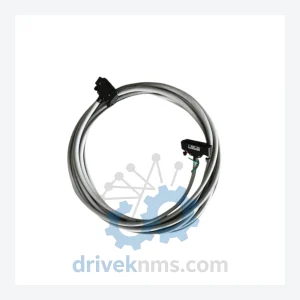
Yokogawa KS1*B is listed for DCS Cards RFQ review. Confirm quantity, condition and destination before quotation.
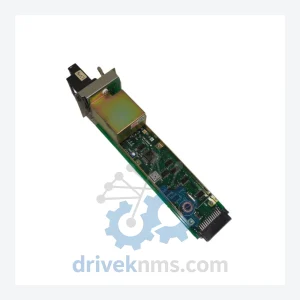
Yokogawa AIP512 is listed for CENTUM Series RFQ review. Confirm quantity, condition and destination before quotation.