
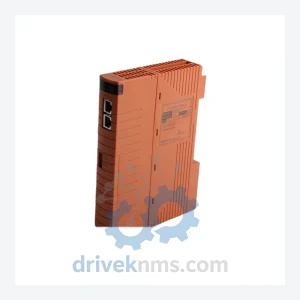
Yokogawa SCP461-11 Signal Conditioning Panel – Obsolete CENTUM CS3000 Spare Part
Yokogawa SCP461-11 is listed for CENTUM CS3000 RFQ review. Confirm quantity, condition and destination before quotation.
RFQ-ready industrial model
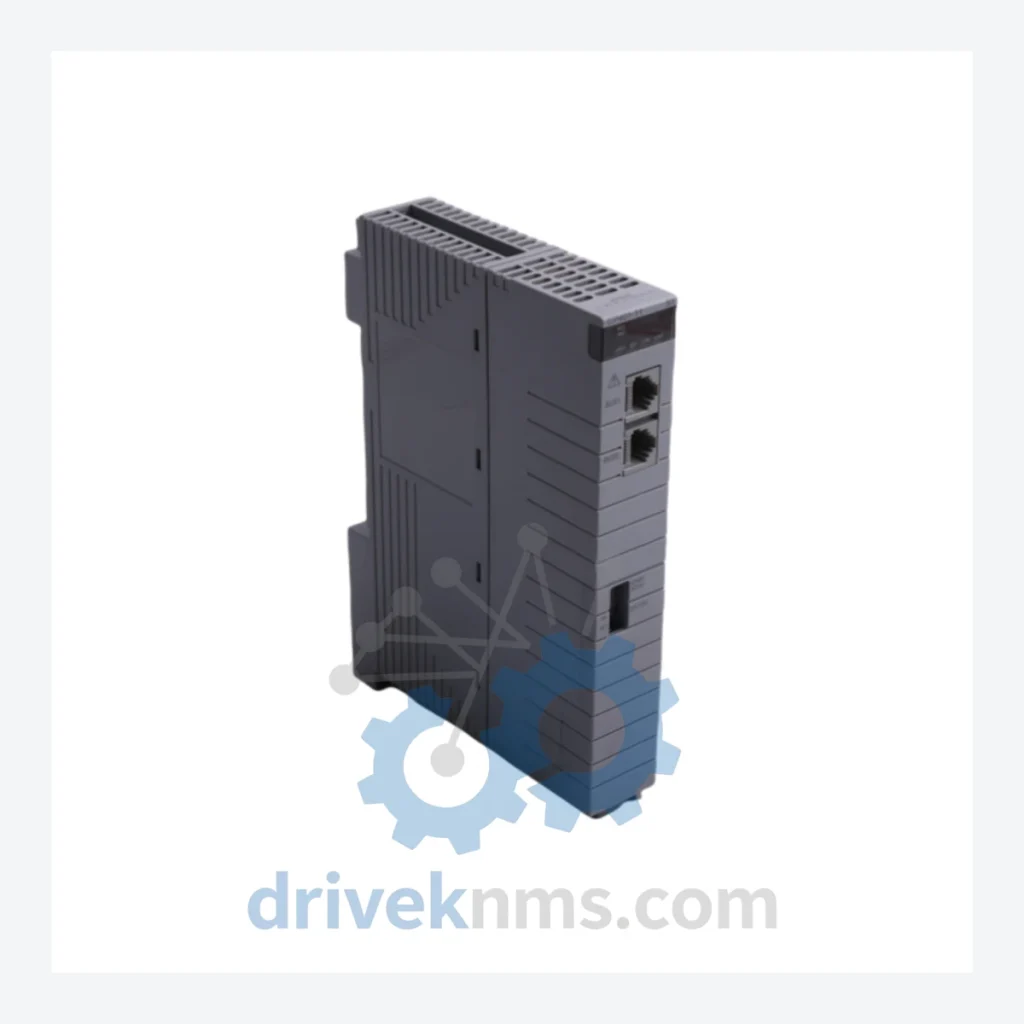
Model: CP401-11 S1
Product Overview
Commercial availability is handled through direct RFQ, model verification and export-oriented follow-up rather than public cart checkout.
Datasheet Preview
Use attached product manuals when available. If the manual is not public yet, request the full file directly through RFQ.
Commercial Path
Product pages on DRIVEKNMS are designed to verify model, brand and series first, then move the buyer into one clean quotation path.
Technical Dossier
The Yokogawa CENTUM CS3000 is a distributed control system (DCS) platform with a documented installation base spanning petrochemical complexes, nuclear power facilities, offshore platforms, and large-scale refinery operations across Asia-Pacific, the Middle East, and Europe. Its field control station (FCS) architecture separates process I/O from control computation, enabling deterministic scan cycles and high-availability redundancy configurations. The CS3000 platform succeeded the CENTUM CS and preceded the CENTUM VP, occupying the core of Yokogawa's DCS portfolio from the late 1990s through the 2010s. Many facilities operating CS3000 hardware remain in active production, making lifecycle parts sourcing a critical operational requirement.
The CENTUM CS3000 architecture is built around the Vnet/IP control network, a deterministic 100 Mbps Ethernet-based bus that replaced the earlier Vnet token-ring topology used in CENTUM CS. The Field Control Station (FCS) houses processor modules (CP series), I/O modules (AAI, AAB, ADV, ADA, ADI, ADO, ABI, ABO series), and communication adapters on a standardized backplane. The CP401-11 S1 is the primary FCS processor card for the R3.xx and later firmware generations, executing IEC 61131-3 function block programs with a 100 ms to 1000 ms configurable scan period.
Early CENTUM CS units used CP201 and CP301 processor modules with Vnet token-ring connectivity. The transition to CS3000 introduced the CP401 family with Vnet/IP support, dual-redundancy capability via paired CP401 modules, and expanded memory for larger control databases. The CENTUM VP generation subsequently introduced the CP345 and CP451 processors with enhanced Ethernet integration and OPC-UA native support. CS3000 sites upgrading to VP must replace CP401 modules and associated I/O nest hardware, making the CP401-11 S1 a long-term spare requirement for non-migrated installations.
The following SKUs represent verified components within the Yokogawa CENTUM CS3000 platform, organized by functional category. Each model is a discrete line-replaceable unit (LRU) within the FCS or HIS subsystem.
Processor Modules (CP Series)
Analog Input Modules (AI)
Analog Output Modules (AO)
Digital Input Modules (DI)
Digital Output Modules (DO)
Communication & Network Modules
Power Supply Modules
CENTUM CS3000 modules use a proprietary backplane bus protocol for inter-module communication within the FCS nest. Quality verification for these units requires functional testing under live Vnet/IP network conditions, not solely bench-level continuity checks. DriveKNMS applies a structured test protocol for CS3000 hardware: (1) visual inspection for capacitor degradation, PCB corrosion, and connector wear; (2) firmware version verification against the module's hardware revision label; (3) functional power-on test with Vnet/IP segment simulation to confirm node registration and heartbeat response; (4) for CP401-series processors, control database load test to verify memory integrity and scan-cycle execution; (5) burn-in cycle of minimum 48 hours under operational temperature range (0–55°C) per IEC 68-2-2. Modules that do not pass all five stages are quarantined and not offered for sale.
Continue The Model Path
Move from this exact model into the matching system hub, brand archive, model-family archive or lifecycle sourcing route before sending a final RFQ list.
Related Paths
Yokogawa SCP461-11 is listed for CENTUM CS3000 RFQ review. Confirm quantity, condition and destination before quotation.
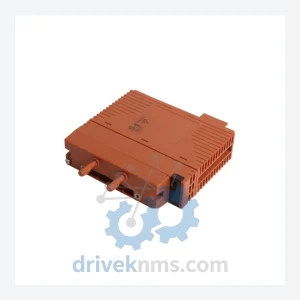
Yokogawa SAI143-H63 S3 is listed for CENTUM CS3000 RFQ review. Confirm quantity, condition and destination before quotation.
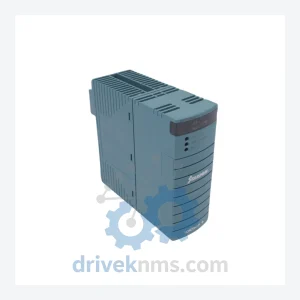
Yokogawa NFPW442-50 S2 is listed for CENTUM CS3000 RFQ review. Confirm quantity, condition and destination before quotation.