
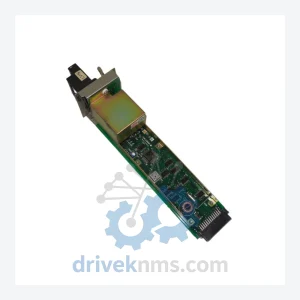
YOKOGAWA AIP512 RIO Bus Connection Module – CENTUM Series
Yokogawa AIP512 is listed for CENTUM Series RFQ review. Confirm quantity, condition and destination before quotation.
RFQ-ready industrial model
Model: EA1*A ASE9740A-07
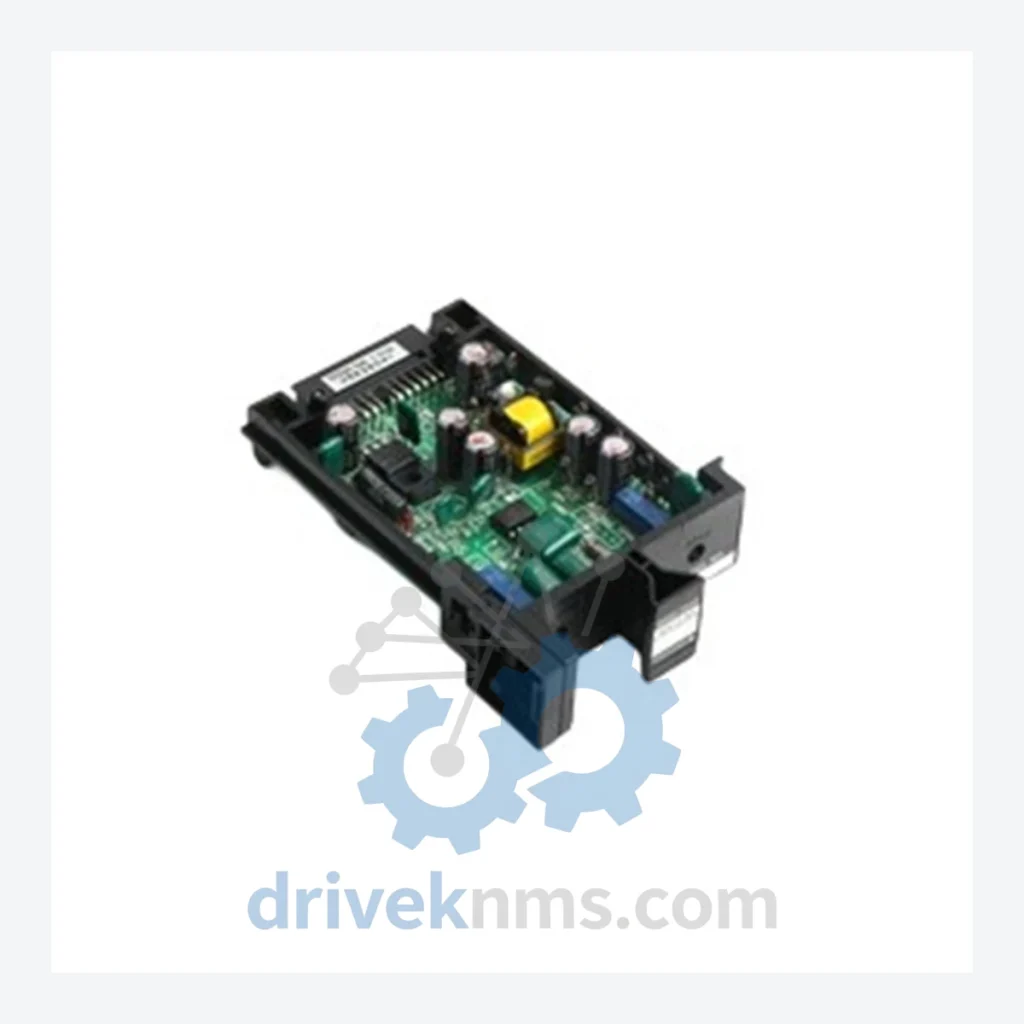
Product Overview
Commercial availability is handled through direct RFQ, model verification and export-oriented follow-up rather than public cart checkout.
Datasheet Preview
Use attached product manuals when available. If the manual is not public yet, request the full file directly through RFQ.
Commercial Path
Product pages on DRIVEKNMS are designed to verify model, brand and series first, then move the buyer into one clean quotation path.
Technical Dossier
RFQ support for obsolete parts: Send the model number, required quantity and destination so DriveKNMS can confirm sourcing options before quotation.
Note: Electrical parameters not confirmed from official documentation are intentionally omitted. Accuracy of specifications is critical for safe installation in live process environments.
The YOKOGAWA CENTUM platform was the backbone of process automation across Asia-Pacific, the Middle East, and Europe for over two decades. Thousands of facilities built their measurement and control infrastructure around CENTUM CS and CENTUM CS 3000 architectures. The EA1*A ASE9740A-07 transmitter module served as a critical field interface within these systems — translating physical process variables into the 4–20 mA signals that the DCS relied upon for closed-loop control decisions.
The secondary market option is not without risk. Counterfeit modules, incorrect firmware revisions, and units with undisclosed field damage are documented problems in the obsolete parts trade. DriveKNMS operates with a strict sourcing and verification protocol specifically designed to eliminate these risks for YOKOGAWA legacy components.
How to extend your YOKOGAWA CENTUM system life by 5–10 years through strategic spare parts management:
DriveKNMS applies a five-step quality assurance process to all obsolete transmitter modules before dispatch review. This protocol was developed specifically for legacy process instrumentation where field failure carries direct safety and production consequences.
Q: How do I know the unit is genuine YOKOGAWA and not a counterfeit?
A: Each unit is inspected for manufacturer markings, PCB construction quality, and component sourcing consistency. We provide photographic documentation of the unit prior to shipment upon request. We do not sell units where authenticity cannot be confirmed.
Q: Should I buy one spare or multiple units?
A: For any process loop classified as critical or safety-instrumented, a minimum of two spares is the standard recommendation in IEC 61511-aligned maintenance programs. Given confirmed discontinuation of this part number, purchasing additional units now while RFQ-reviewed sourcing status exists is a lower-risk strategy than sourcing under emergency conditions.
Q: Can export requirements be reviewed?
A: Destination, documentation and routing requirements are confirmed during RFQ review.
Continue The Model Path
Move from this exact model into the matching system hub, brand archive, model-family archive or lifecycle sourcing route before sending a final RFQ list.
Related Paths
Yokogawa AIP512 is listed for CENTUM Series RFQ review. Confirm quantity, condition and destination before quotation.
Yokogawa KS1*B is listed for DCS Cards RFQ review. Confirm quantity, condition and destination before quotation.
Yokogawa SR1B-045N-1KC is listed for CENTUM Series RFQ review. Confirm quantity, condition and destination before quotation.