
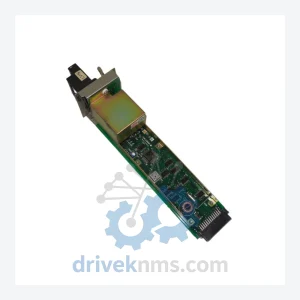
YOKOGAWA AIP512 RIO Bus Connection Module – CENTUM Series
Yokogawa AIP512 is listed for CENTUM Series RFQ review. Confirm quantity, condition and destination before quotation.
RFQ-ready industrial model
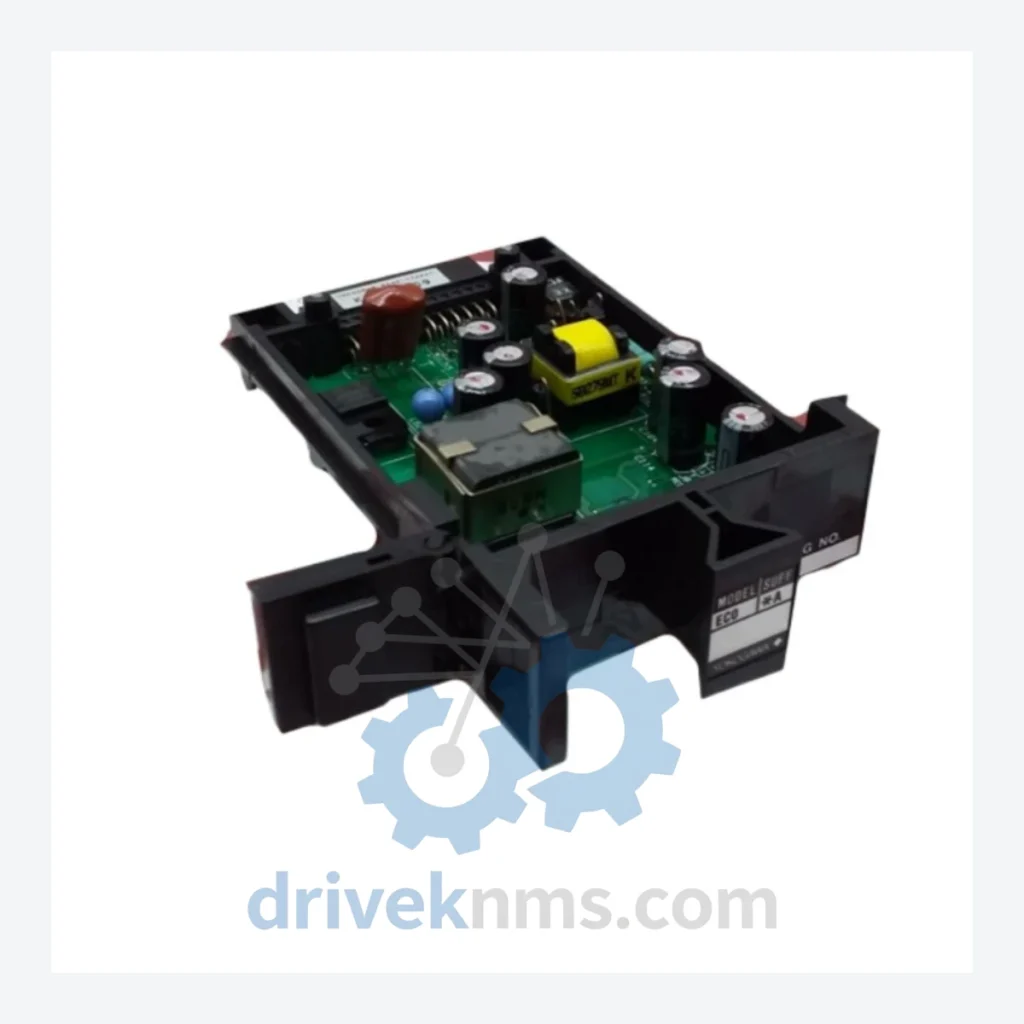
Model: EC0*A AS E9740GA-02
Product Overview
Commercial availability is handled through direct RFQ, model verification and export-oriented follow-up rather than public cart checkout.
Datasheet Preview
Use attached product manuals when available. If the manual is not public yet, request the full file directly through RFQ.
Commercial Path
Product pages on DRIVEKNMS are designed to verify model, brand and series first, then move the buyer into one clean quotation path.
Technical Dossier
Q: How are RFQ terms confirmed?
A: Quantity, required condition, documentation needs, destination and sourcing route are confirmed during RFQ review before quotation.
If your plant is running a CENTUM CS, CENTUM CS 1000, or CENTUM CS 3000 system and this module is on your critical spare list — or has already failed — the window to source a genuine replacement is narrowing.
RFQ support for obsolete parts: Send the model number, required quantity and destination so DriveKNMS can confirm sourcing options before quotation.
Note: Electrical parameters such as input/output signal range, power supply voltage, and isolation specifications are model-variant dependent. Contact DriveKNMS with your full system configuration for parameter verification before ordering. No parameters are assumed or fabricated.
The CENTUM platform was engineered for long-cycle industrial environments. Many installations commissioned in the 1990s and early 2000s remain in active service today — not because operators lack awareness of newer technology, but because the cost and risk of migration outweigh the operational benefit for a system that continues to perform reliably. The signal conditioner sits at the boundary between field instrumentation and the control system's I/O bus. Its failure does not merely affect one measurement point; depending on the module's role, it can cascade into loss of control over entire process units.
Yokogawa's decision to discontinue the CENTUM hardware line has created a structural supply problem. The OEM no longer manufactures or warehouses these modules. Third-party repair services are constrained by component availability — the ASICs and custom ICs used in CENTUM-era hardware are themselves out of production. The practical result is that each working module remaining in the global secondary market represents a finite, non-renewable resource for the installed base.
Plant managers who have not yet established a strategic spare parts buffer for their CENTUM systems are operating with an unquantified liability on their balance sheet. A single module failure without a replacement on hand converts a maintenance event into a capital project.
For plant management teams facing pressure to justify continued operation of legacy DCS infrastructure against capital replacement proposals, the following framework provides a defensible, cost-effective position:
DriveKNMS applies a 5-step QA protocol to all discontinued modules before dispatch review. This process is designed specifically for the failure modes common to CENTUM-era hardware:
Step 1 – Visual and Physical Inspection: Full examination of PCB surfaces, connector pins, and housing for mechanical damage, corrosion, or evidence of prior repair. Modules with compromised physical integrity are rejected at this stage.
Step 2 – Electrolytic Capacitor Assessment: CENTUM-era signal conditioners use electrolytic capacitors with a service life that may be approaching or past its rated hours in aged units. Each module is assessed for capacitor condition. Units showing evidence of electrolyte leakage, bulging, or elevated ESR are either recapped with specification-matched components or rejected.
Step 4 – Firmware and Label Verification: Where applicable, firmware version markings and hardware revision labels are verified against the module's documented revision history to confirm the unit matches the specified part number and revision.
Drop-in Replacement: The EC0*A AS E9740GA-02 is a direct hardware replacement for the same position in a CENTUM I/O rack. No modification to the rack wiring, field termination assemblies, or control database is required. The module seats into the existing slot and the system recognizes it without reconfiguration.
No Reprogramming Required: Signal conditioner modules in the CENTUM architecture do not carry user-configurable firmware that requires re-loading after replacement. The control strategy, tag assignments, and loop parameters reside in the CENTUM controller and engineering station — not in the I/O module itself. Replacement is a hardware swap, not a software project.
Avoids Engineering Reconstruction Costs: The alternative to sourcing a replacement module is re-engineering the affected I/O point onto a different hardware platform. That process involves I/O mapping changes, control strategy modifications, factory acceptance testing, and site commissioning — a scope that can consume weeks of engineering time and tens of thousands of dollars for a single loop. A verified replacement module eliminates that cost entirely.
Q: Should I buy more than one unit?
A: For any discontinued module installed in an active production system, holding a minimum of one additional unit as a cold spare is a standard risk management practice. For high-criticality loops or systems with multiple installed positions of the same module, a buffer of two to three units is appropriate. The cost of carrying spare inventory is fixed and predictable. The cost of an unplanned shutdown while sourcing a replacement on the open market is neither.
Continue The Model Path
Move from this exact model into the matching system hub, brand archive, model-family archive or lifecycle sourcing route before sending a final RFQ list.
Related Paths
Yokogawa AIP512 is listed for CENTUM Series RFQ review. Confirm quantity, condition and destination before quotation.
Yokogawa KS1*B is listed for DCS Cards RFQ review. Confirm quantity, condition and destination before quotation.
Yokogawa SR1B-045N-1KC is listed for CENTUM Series RFQ review. Confirm quantity, condition and destination before quotation.