
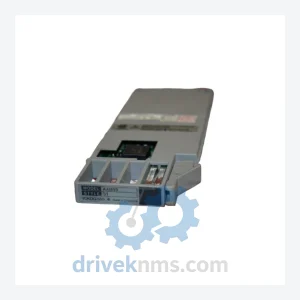
YOKOGAWA STARDOM / CENTUM Series Analog Input Modules: AAM10
Yokogawa AAM10 is listed for STARDOM RFQ review. Confirm quantity, condition and destination before quotation.
RFQ-ready industrial model
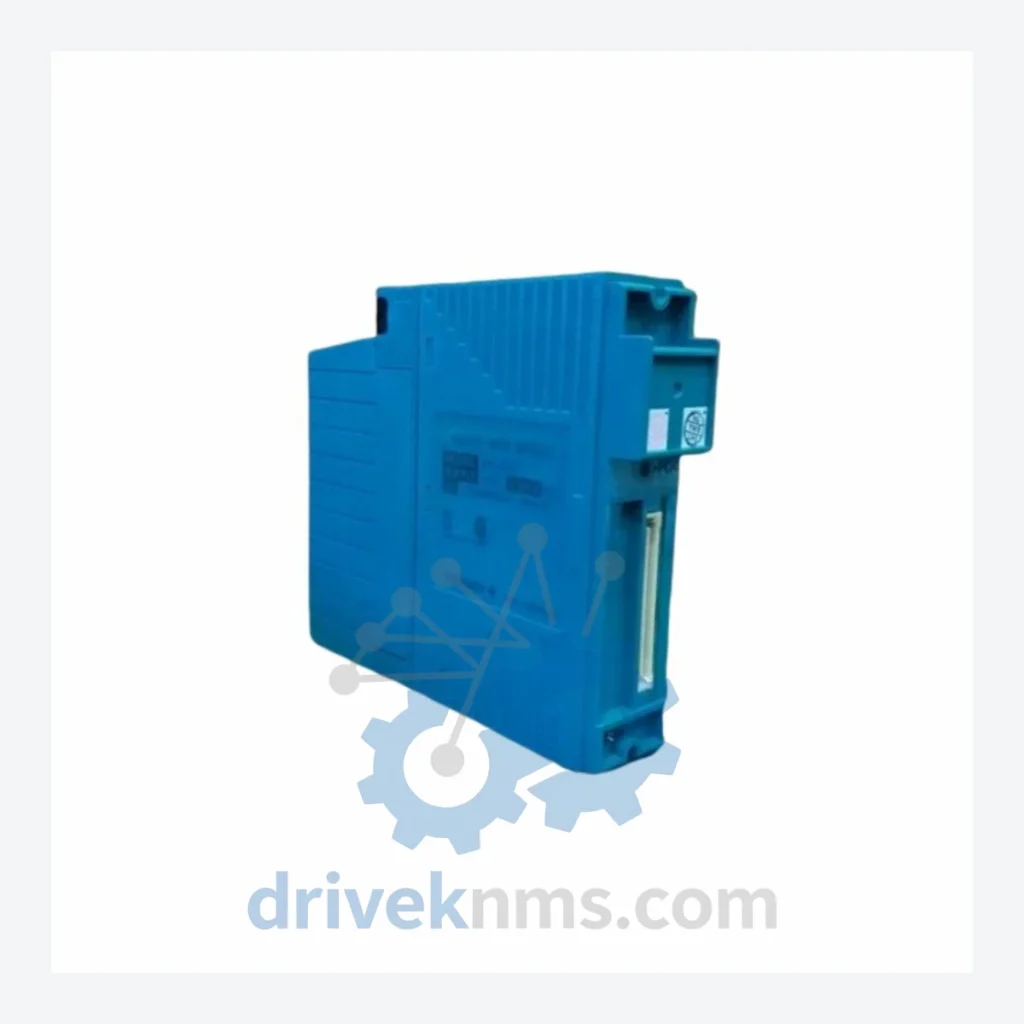
Model: NFAI135-S01
Product Overview
Commercial availability is handled through direct RFQ, model verification and export-oriented follow-up rather than public cart checkout.
Datasheet Preview
Use attached product manuals when available. If the manual is not public yet, request the full file directly through RFQ.
Commercial Path
Product pages on DRIVEKNMS are designed to verify model, brand and series first, then move the buyer into one clean quotation path.
Technical Dossier
The Yokogawa NFAI series represents a core family of analog input modules deployed within the CENTUM CS 3000 and CENTUM VP distributed control systems (DCS). These modules are installed across critical global infrastructure including petrochemical complexes, nuclear power facilities, offshore platforms, and continuous process refineries. The NFAI series interfaces field-level analog signals — primarily 4–20 mA current loops and thermocouple/RTD inputs — with the CENTUM system's field control station (FCS) backplane. Their role in high-availability process environments has made them one of the most widely maintained legacy I/O module families in industrial automation. Units such as the NFAI135-S01 remain in active service at installations with 15–25 year operational lifecycles, creating sustained demand for certified spare parts and lifecycle support.
The NFAI module family was introduced as part of Yokogawa's CENTUM CS 3000 platform, which succeeded the CENTUM-XL and μXL systems in the mid-1990s. The architecture is built around a node-based field control station where I/O modules plug into a dedicated nest (backplane), communicating via Yokogawa's proprietary V-net/IP or ESB bus depending on generation.
Early NFAI variants supported 8-channel analog input with basic signal conditioning. Subsequent revisions introduced enhanced isolation, HART pass-through capability, and improved EMC compliance to meet IEC 61000 standards. The transition from CS 3000 to CENTUM VP (circa 2008) maintained backward hardware compatibility for NFAI modules, allowing existing field wiring and module slots to be retained during control system upgrades — a key factor in the series' longevity.
The following SKUs represent verified models within the Yokogawa NFAI and closely related CENTUM CS 3000 / VP analog input module family. Each unit is categorized by function:
Analog Input Modules (AI)
Analog Output Modules (AO)
Digital Input Modules (DI)
Digital Output Modules (DO)
Communication & CPU Modules
DriveKNMS sources NFAI modules through decommissioned plant buybacks, certified refurbishment programs, and direct factory-surplus acquisition. Each unit is cataloged with its hardware revision, firmware version (where applicable), and physical condition grade. For facilities operating CENTUM CS 3000 systems beyond their original design life, DriveKNMS provides multi-year supply agreements to ensure uninterrupted spare parts availability without requiring a full DCS platform migration.
Customers requiring obsolete variants such as early-revision NFAI135 or NFAI141 units with specific suffix codes are encouraged to submit their full BOM (bill of materials) for cross-reference and availability confirmation.
NFAI series modules present specific testing challenges due to their multi-channel analog front-end design, backplane bus interface, and HART communication layer. DriveKNMS applies the following validation procedures to all NFAI units prior to shipment:
Continue The Model Path
Move from this exact model into the matching system hub, brand archive, model-family archive or lifecycle sourcing route before sending a final RFQ list.
Related Paths
Yokogawa AAM10 is listed for STARDOM RFQ review. Confirm quantity, condition and destination before quotation.
Yokogawa AAI141-S00 is listed for CENTUM VP RFQ review. Confirm quantity, condition and destination before quotation.
Yokogawa AAM50 is listed for CENTUM VP RFQ review. Confirm quantity, condition and destination before quotation.